

Ethiopia’s Hayli Gubbi Volcano: Airline operations across several parts of the country were disrupted on Monday after volcanic ash from Ethiopia’s Hayli Gubbi eruption drifted towards India’s western and northern regions. The Directorate General of Civil Aviation (DGCA) issued alerts as the high-altitude ash plume, travelling at considerable speed, entered Gujarat before moving eastward through Rajasthan, Delhi, Haryana and Punjab.
The cloud, composed of volcanic ash, sulphur dioxide and fine glass particles, forced airlines to begin cancelling and diverting flights to avoid the hazardous airspace.
Airlines Cancel and Divert Flights Amid Volcanic Ash From Ethiopia’s Hayli Gubbi Volcano
Airports were asked to remain on alert and carry out inspections for any ash deposits on runways and aircraft surfaces—contamination that could endanger engines and overall airfield operations.
Multiple carriers, including IndiGo, Akasa Air and KLM, revised their schedules in response. Authorities said disruptions may continue as the ash plume moves across northern India.
What Makes Volcanic Ash So Dangerous?
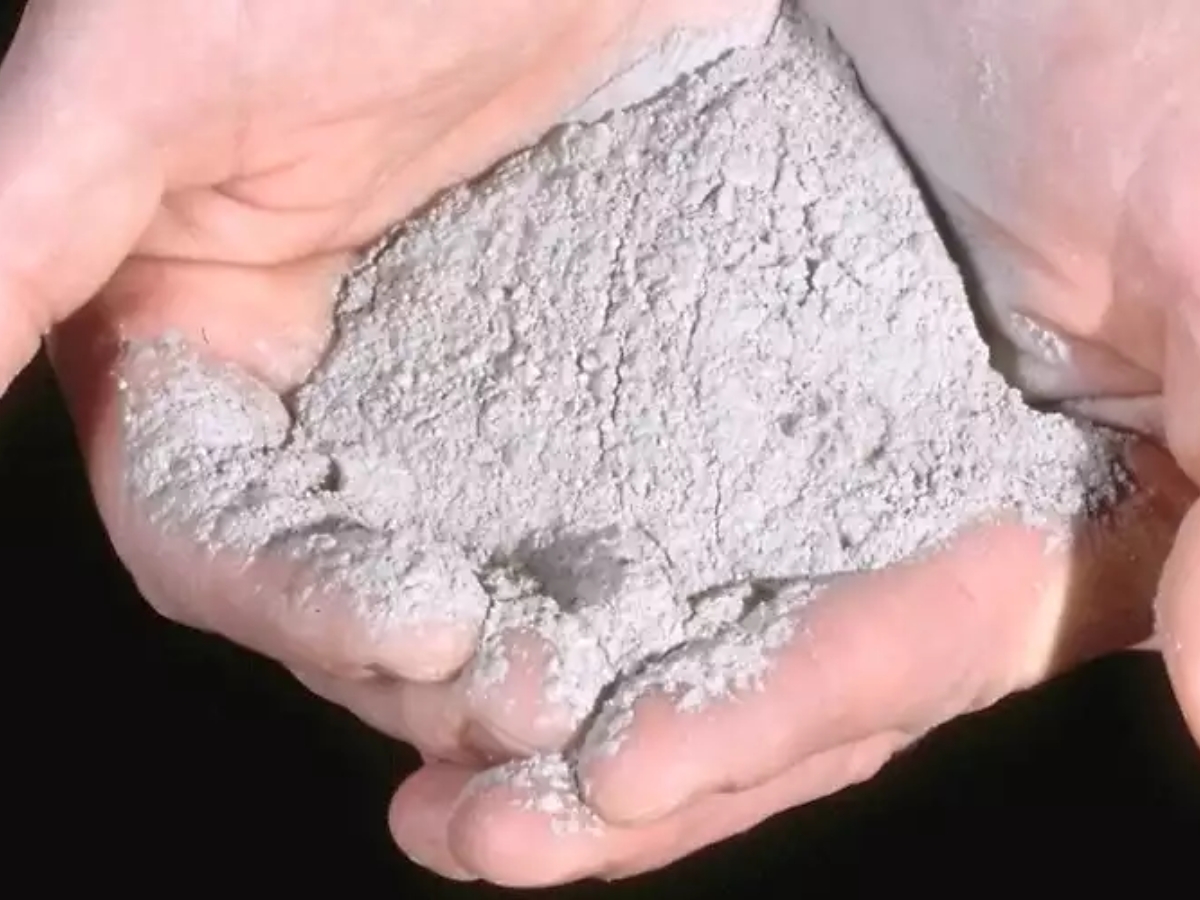
Volcanic ash consists of tiny, sharp fragments of rock, minerals and volcanic glass. Unlike the soft ash produced by burning wood, these particles are hard, abrasive and insoluble in water. Typically measuring two millimetres or less, coarse ash feels like sand, while finer particles resemble powder. These materials are also part of what geologists classify as tephra, a term referring to all solid material ejected during eruptions.
Ash plumes can cover vast areas of the sky, sometimes plunging daylight into darkness and severely limiting visibility. They are often accompanied by thunder and lightning as static charges build within the cloud.
Volcanic Ash Risks to Aircraft and Air Traffic
Airborne ash poses a significant threat to aircraft. When the tiny rock and glass particles enter an engine, they can melt at high temperatures and subsequently solidify on turbine blades, causing the engine to stall.
Because of these dangers, air traffic controllers adopt special safety protocols whenever volcanic ash is present in flight corridors.
Impact of Volcanic Ash on Health and Environment
Volcanic ash also endangers ecosystems, humans, and animals. Toxic gases such as carbon dioxide and fluorine can accumulate within ash clouds. When deposited on the ground, ash can trigger crop failure, animal deaths, deformities and human illness.
Its abrasive particles can irritate the skin and eyes, leading to inflammation, and inhalation of ash may damage the lungs or cause severe breathing difficulties. Exposure to large quantities of ash and gases can result in suffocation, which remains the leading cause of death during volcanic events.
Also Read: Volcanic Ash From Ethiopia’s Hayli Gubbi Reaches India, Flights Cancelled, Delhi Air Turns Hazy
Zubair Amin is a Senior Journalist at NewsX with over seven years of experience in reporting and editorial work. He has written for leading national and international publications, including Foreign Policy Magazine, Al Jazeera, The Economic Times, The Indian Express, The Wire, Article 14, Mongabay, News9, among others. His primary focus is on international affairs, with a strong interest in US politics and policy. He also writes on West Asia, Indian polity, and constitutional issues. Zubair tweets at zubaiyr.amin




