
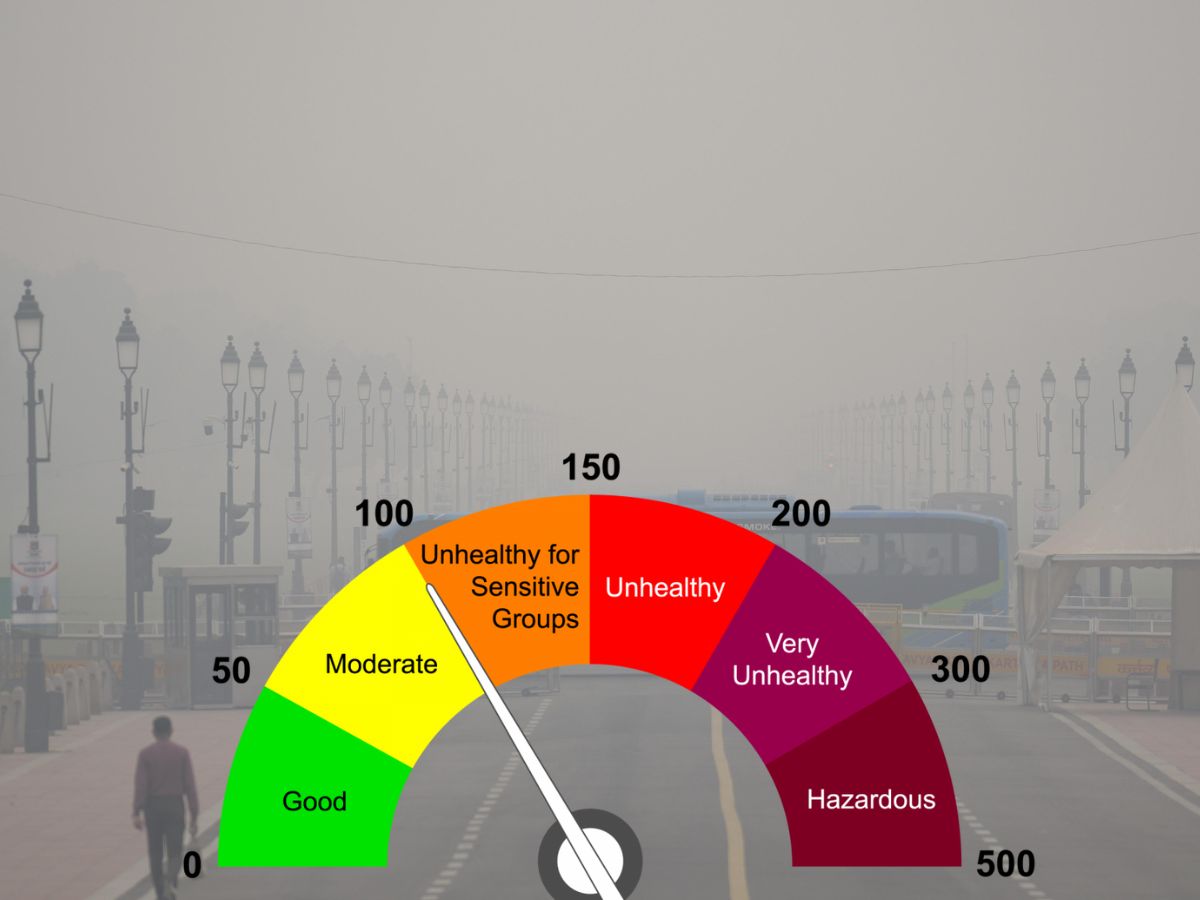

What is AQI?
The AQI or Air Quality Index is a single number used to discuss if an urban area is dirty or clean. The AQI serves to communicate to the public about air quality and if any precautions are needed to take place due to the air quality or preparing for bad air quality, specifically for the federal government or local weather stations. In general the larger the AQI, the more polluted the air.
Why is the AQI Important?
AQI is important because it serves as an easy way to decipher pollution in air so everyone does not have to interpret what the data says about air pollution and health related outcomes. If you know the AQI number then that is all you really need to know, which is especially great for an older person, a child, or person who has asthma or some other breathing related health issue.
Levels and Meaning of AQI
AQI has different levels:
0–50 (Good): Air is clean and safe.
51–100 (Satisfactory): Air quality is acceptable.
101–200 (Moderate): Some people may experience mild breathing discomfort.
201–300 (Poor): Breathing may become difficult, especially for sensitive groups.
301–400 (Very Poor): Health problems may increase over prolonged exposure to air pollution.
401–500 (Severe): Dangerous air quality; everyone may experience serious health effects.
These levels will encourage people to decide when to limit activities outside.
Conclusion and Impact of Air Pollution
When AQI is high, you are likely breathing in harmful particles like PM2.5, PM10, nitrogen dioxide, carbon monoxide. They can irritate your eyes, nose and throat and cause coughing, fatigue, headaches and longterm lung health issues. High AQI can also be particularly dangerous for a pregnant person, someone with heart conditions or children.
AQI is a helpful and easy way to know how safe the air is. Understanding AQI can also aid in making healthy choices about being outside on high pollution days, etc.
This article is for general informational purposes only and should not be treated as medical or professional advice. For health-related concerns due to air pollution, please consult a qualified expert or healthcare professional.
Vani Verma is a content writer with over 2 years of experience in lifestyle, entertainment, health and digital media. She has a knack for creating engaging and research-driven content that resonates with readers, blending creativity with clarity. Passionate about media trends, culture, and storytelling, she strives to craft content that informs, inspires, and connects.




