
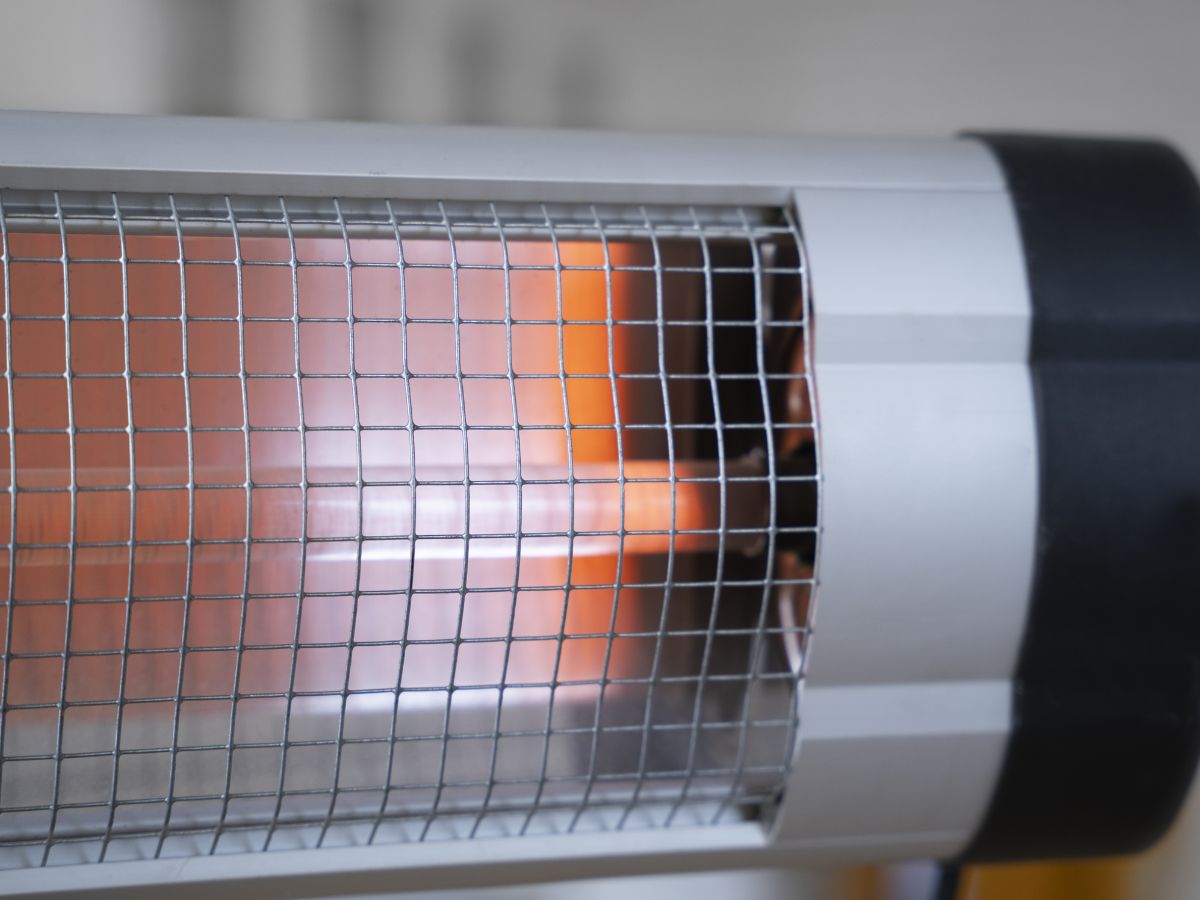

Winter is here and it is cold outside, but paying huge energy bills is not mandatory! Your home can be made warm and comfortable throughout the winter season even without a constant use of a furnace or an electric heater.
Once you know the ways of indoor heat production and loss, you are already halfway to the implementation of energy-efficient and financially saving measures for the room temperature control. The mentioned techniques are based upon natural heat source amplifying, heat loss minimizing, and home materials’ thermal nature exploiting.
Maximize Natural Heat
One of the simplest methods to heat up your house is to use the warmth from the sun to your advantage.
Open Curtains and Blinds: Every day, especially for windows facing south, let the sunlight in by opening all curtains and blinds. The solar radiation is the strongest and the only heat source which is free of cost; it heats up the surfaces, floors, and the furniture inside the room.
Cover Your Windows: Nighttime or non-sunny hours are the perfect times to close curtains and blinds again. The heavy thermal curtain acts as an insulator, so the heat gets trapped during the day and is unable to leak out through the cold glass at night. For extremely drafty windows, you might consider using temporary window film kits for extra insulation.
Block Drafts and Retain Warmth
A large portion of the heating that is applied at home escapes due to poor insulation and drafts. Hence, it is very important to make the house airtight for the heat to remain inside.
Seal Leaks: Apply reasonably priced weather stripping around the borders of doors and windows, and fill the gaps in your window frames with caulk. Carried out properly, this humble deed can greatly cut down your heat loss.
Employ Draft Stoppers: Utilizing a door snake or rolled-up towels at the base of exterior and interior doors is a powerful technique for preventing heat loss and cold air infiltration, as well as controlling the temperature of the areas.
Insulate Floors: If you have any hard floors, put thick area rugs on them. They not just insulate but also warm up the surface for walking since they do not permit heat to escape through the joists of the floor.
Strategic Cooking and Appliance Use: After you are done with the oven, keep the door slightly open (be very careful!) to let the remaining heat warm up the kitchen area. Also, the use of the clothes dryer not only will contribute to heating but also to the humidity of your laundry room.
Adjust Fan Direction: For ceiling fans, if you can, switch their rotation to clockwise and at the slowest speed. This setting blows the hot air that has gone up to the ceiling back down into the living room thus the heat is made more effective through its circulation.
A recent media graduate, Bhumi Vashisht is currently making a significant contribution as a committed content writer. She brings new ideas to the media sector and is an expert at creating strategic content and captivating tales, having working in the field from past four months.




