
India’s Forgotten Fruits: 5 Local Fruits Making a Comeback for Better Health
5 traditional Indian fruits that are rich in nutrients and making a healthy comeback in modern diets from kokum to wood apple and beyond.

Ber (Indian Jujube)
Ber is an old and now understudied fruit. It is rich in vitamin C, antioxidants and fiber and some people are rediscovering it as a natural immunity booster.
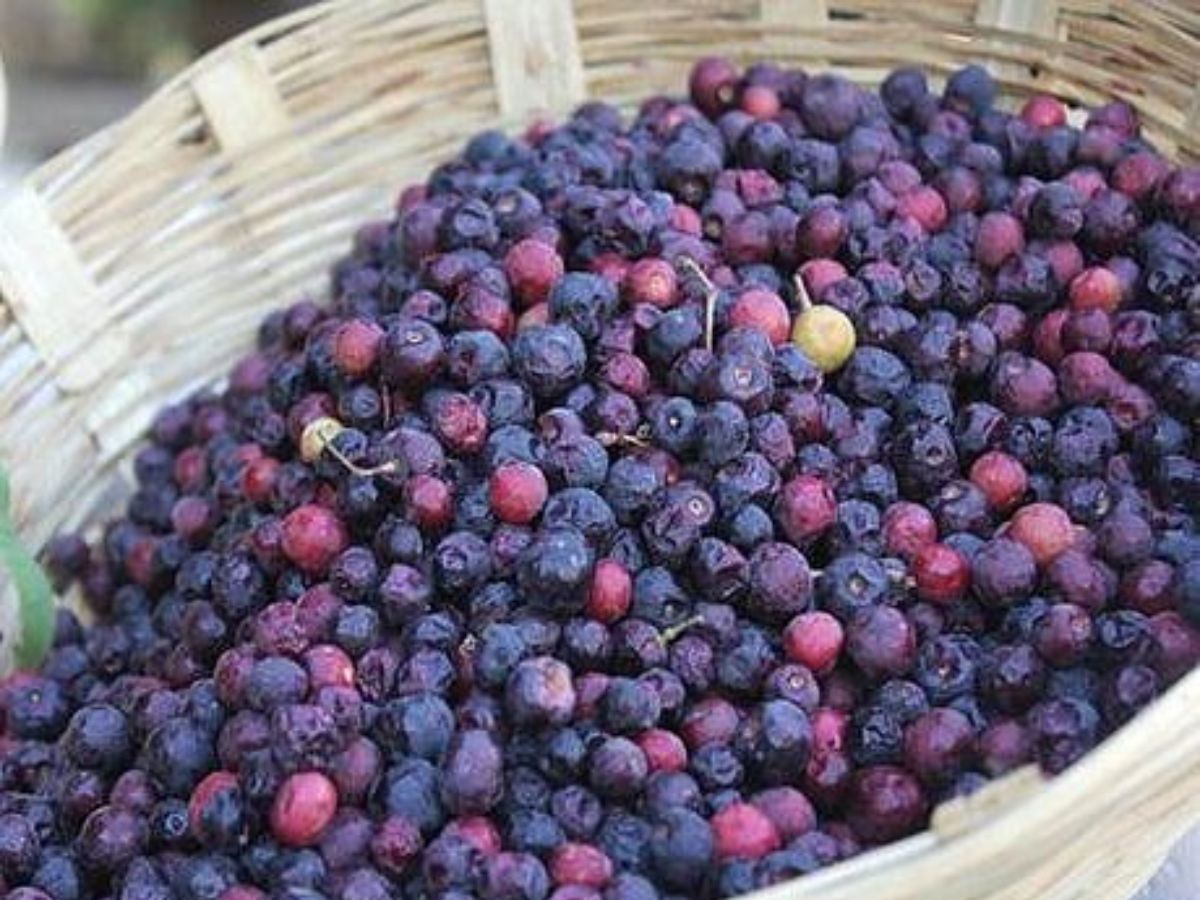
Phalsa (Indian Sherbet Berry)
Phalsa, which helps prevent the heat of summer, is a refreshing sour berry that improves digestion and is high in antioxidants. Once considered uninteresting, it is again starting to appear in farmers' markets.

Chalta (Elephant Apple)
Chalta is sour and has a medicinal history in the Northeast of India. It is something that helps with gut health and can be put in chutneys, jams, and curries.

Kokum
Kokum grows along the coast and is a fruit that supports digestion, minimizes inflammation, and should keep the body cool. It gains antioxidants from the juicy center (the yellow interior), and is making a bit of a comeback in wellness drinks and as spice.
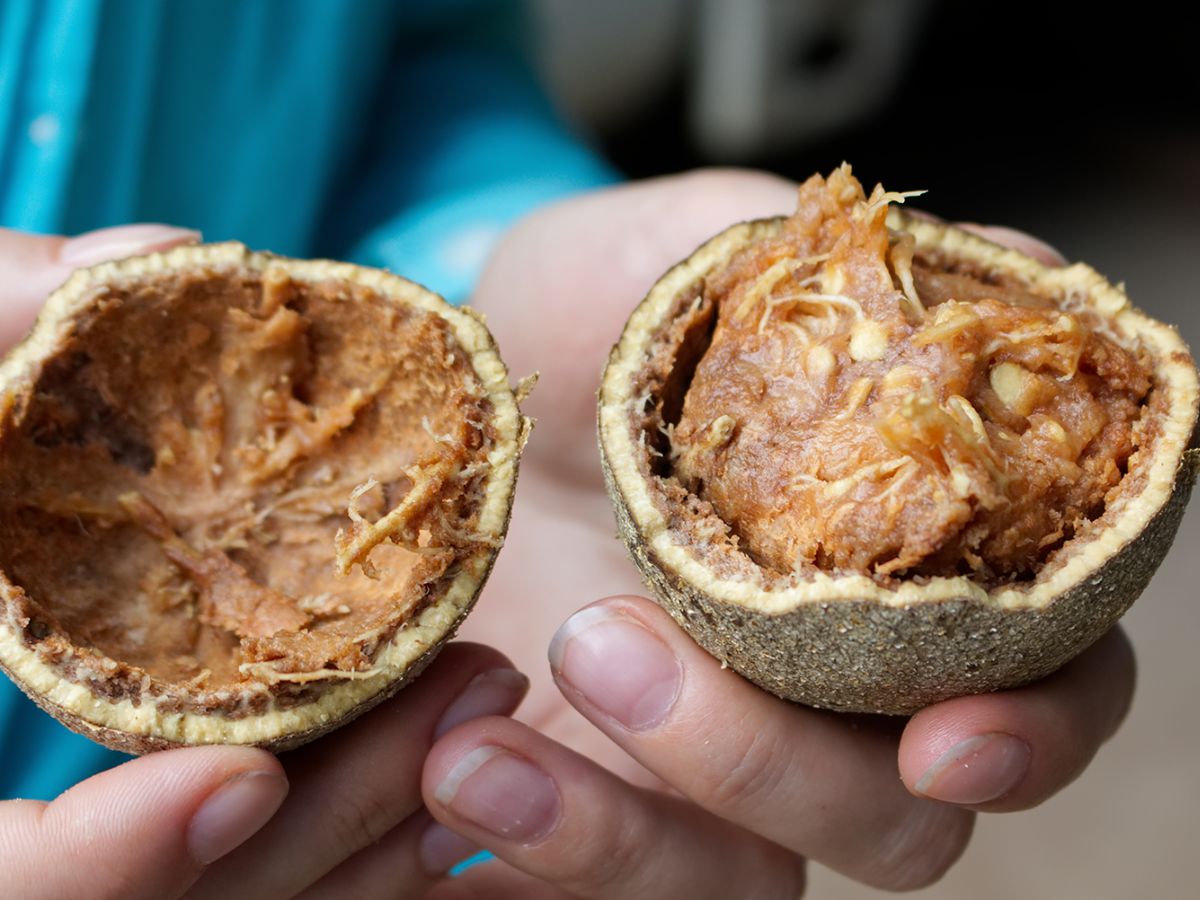
Wood Apple (Bael)
Bael is a gut cleansing superfruit that cools us down while facilitating digestion, commonly consumed as juice. Bael has a strong reputation in Ayurveda and is a food often taken seriously.

Why These Forgotten Fruits are Important Nowadays
Forgetting fruits comes with advantages, but they are also a source of good nutrition. The resurgence of forgotten fruits acts as a reminder for the benefits of biodiversity, strengthens organic farmers, and reclaims India's ancient food heritage in a peaceful and organic manner.

Disclaimer
This photo gallery is for informational purposes only and is not a substitute for professional medical advice, diagnosis, or treatment. Always consult a healthcare provider before making dietary changes.




