
From Francois Bayrou To Sheikh Hasina: 6 Prime Ministers Removed From Office
Prime ministers can be removed from office due to various reasons such as loss of confidence, corruption, or ethical violations. This can lead to political instability, changes in government, and political snap elections. The removal of a prime minister can be triggered by court rulings, votes of no confidence, or resignations, often reflecting underlying issues within the government of the country.
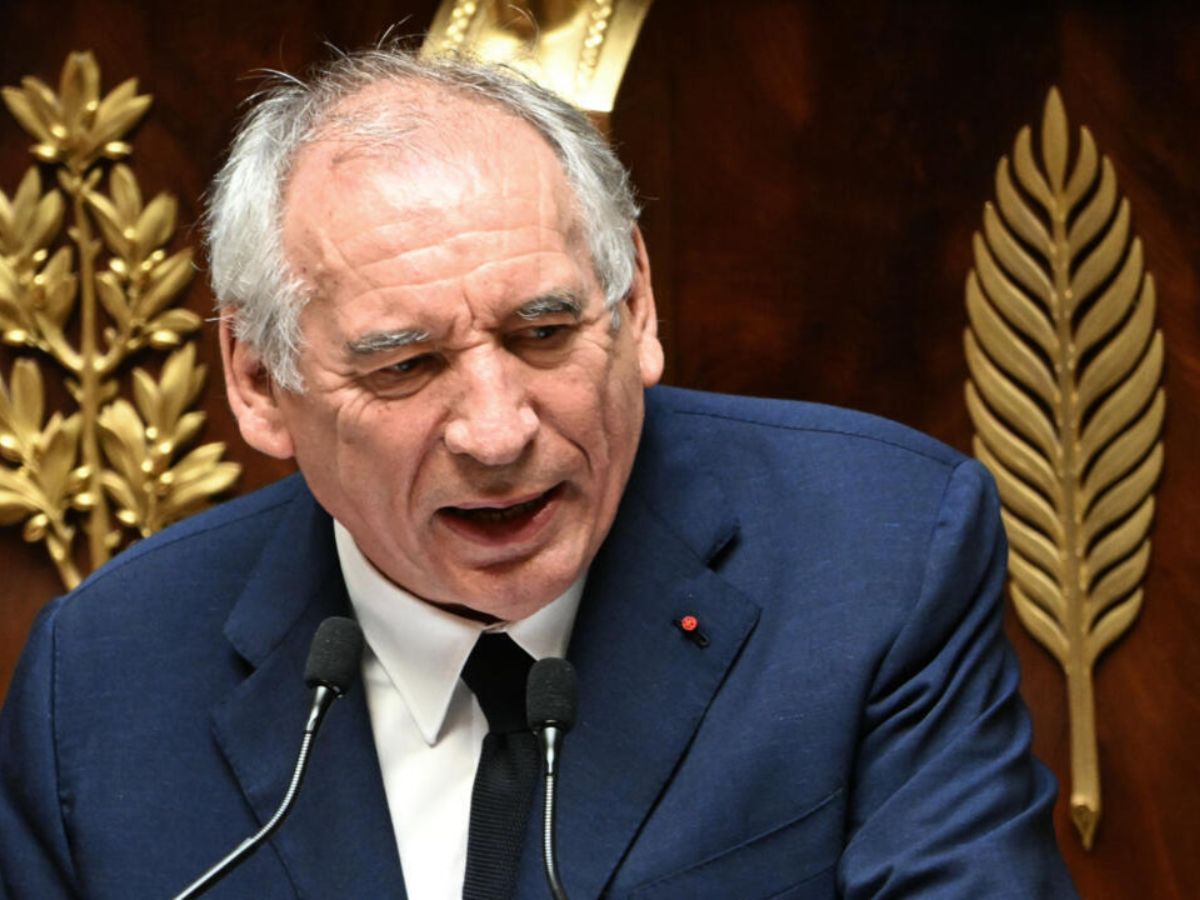
Francois Bayrou- France
In a dramatic turn of events, Prime Minister Francois Bayrou's government collapsed on September 8, 2025, after he lost a confidence vote in the National Assembly by a margin of 364 votes against to 194 in favor. As a result, Bayrou will resign, and President Emmanuel Macron must now appoint a new prime minister capable of navigating fiscal reform and legislative gridlock.
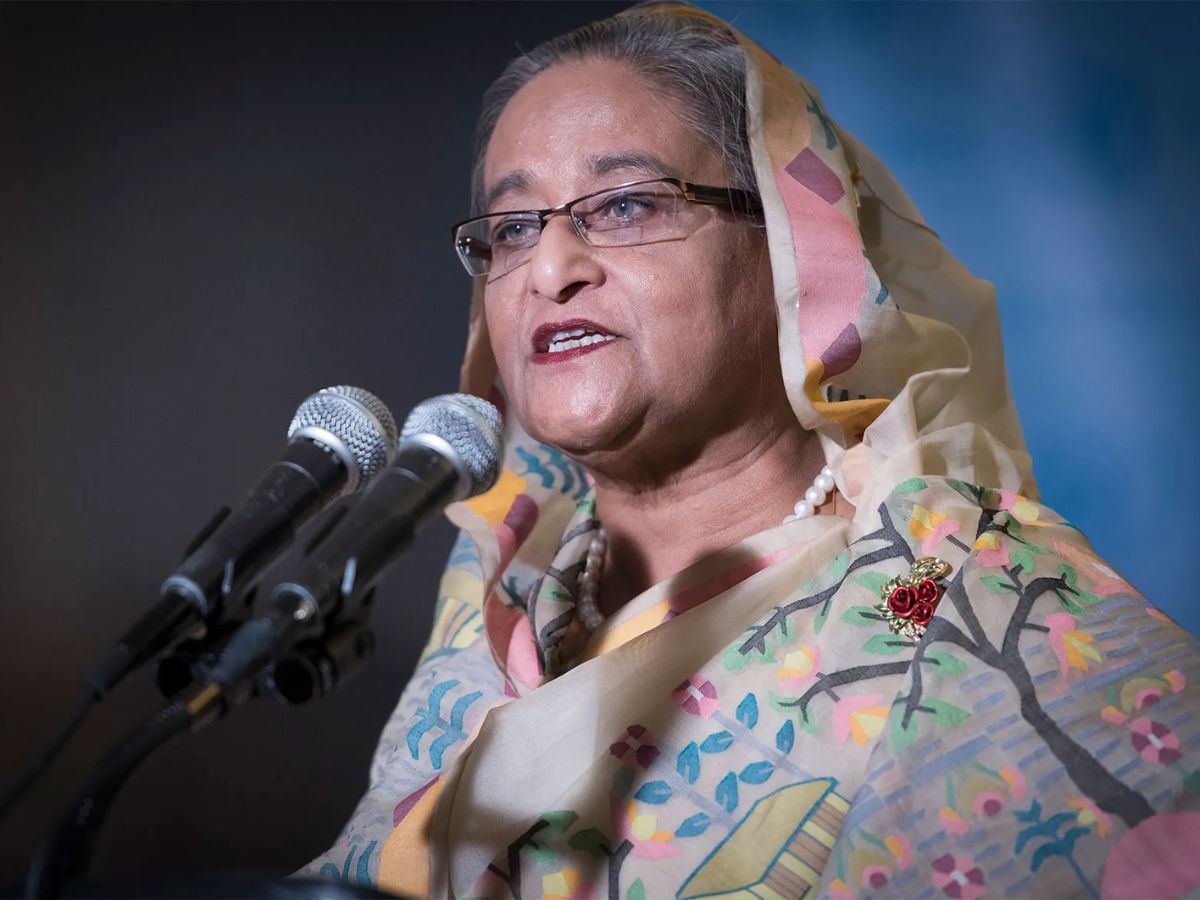
Sheikh Hasina- Bangladesh
On August 5, 2024, Sheikh Hasina, Bangladesh's longest serving Prime Minister, resigned amid massive student led protests over job quota policies that turned violent. She fled to India, sparking a constitutional crisis. The interim government later banned her Awami League party and suspended its registration, preventing it from contesting future elections, ending her 15-year rule.
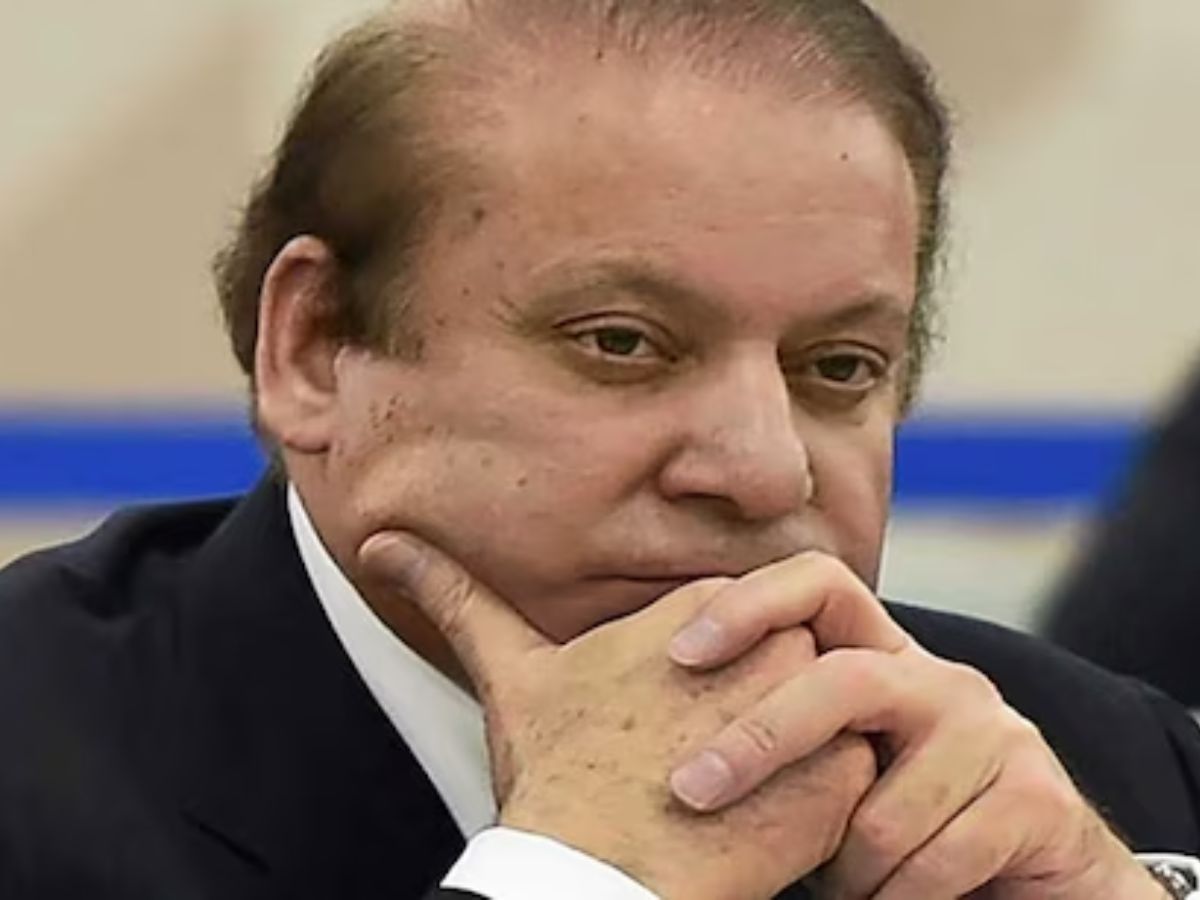
Nawaz Sharif- Pakistan
Nawaz Sharif, a three time Prime Minister of Pakistan, was removed from the office in 2017 when the Supreme court disqualified him over corruption charges revealed in the Panama Papers Scandal. His removal triggered political chaos and opened the door for major charges in Pakistan's leadership.
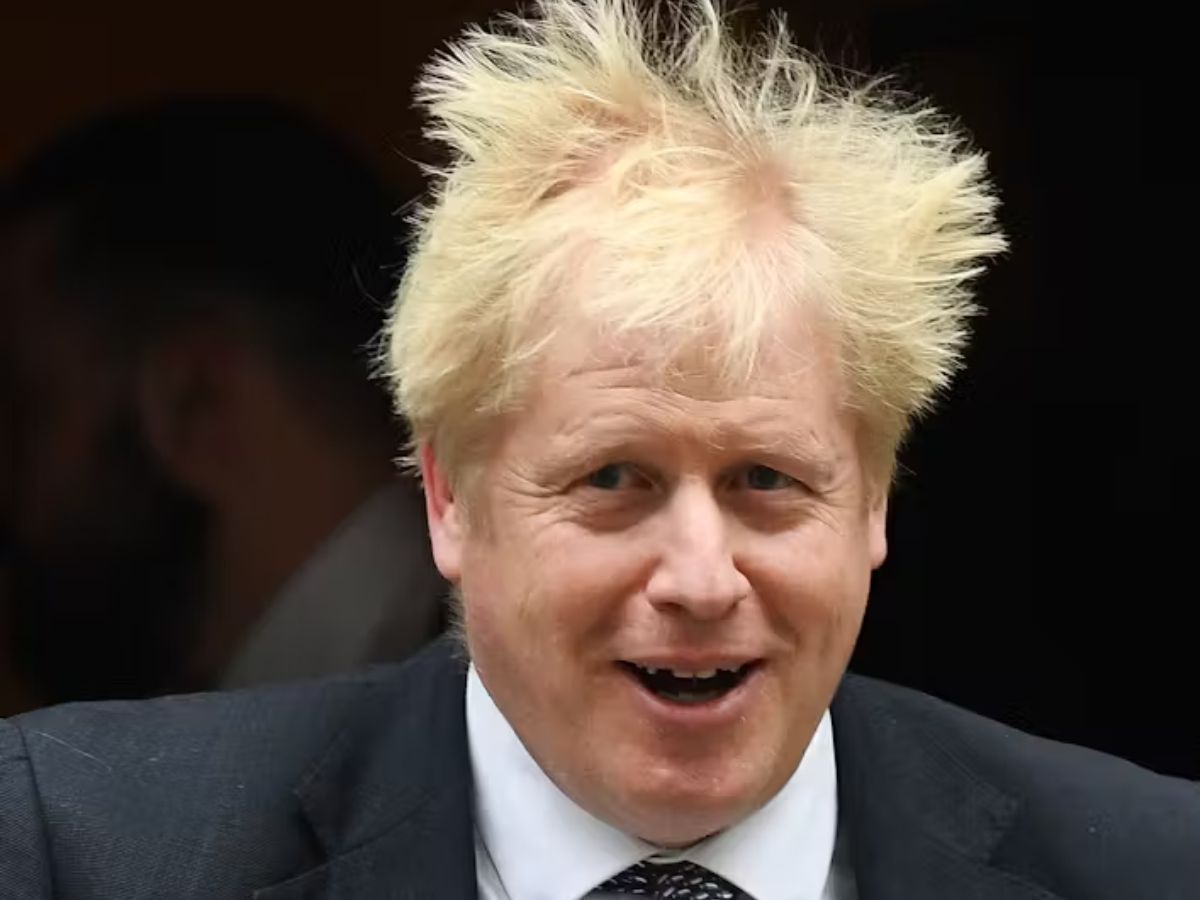
Boris Johnson- United Kingdom
Boris Johnson resigned in July 2022 after loosing support from his Conservative Party. His downfall stemmed from numerous scandals, most notable the "Partygate" scandal, which revealed illegal gatherings at Downing Street during COVID-19 lockdowns. The controversy caused widespread public anger and forced his exit.
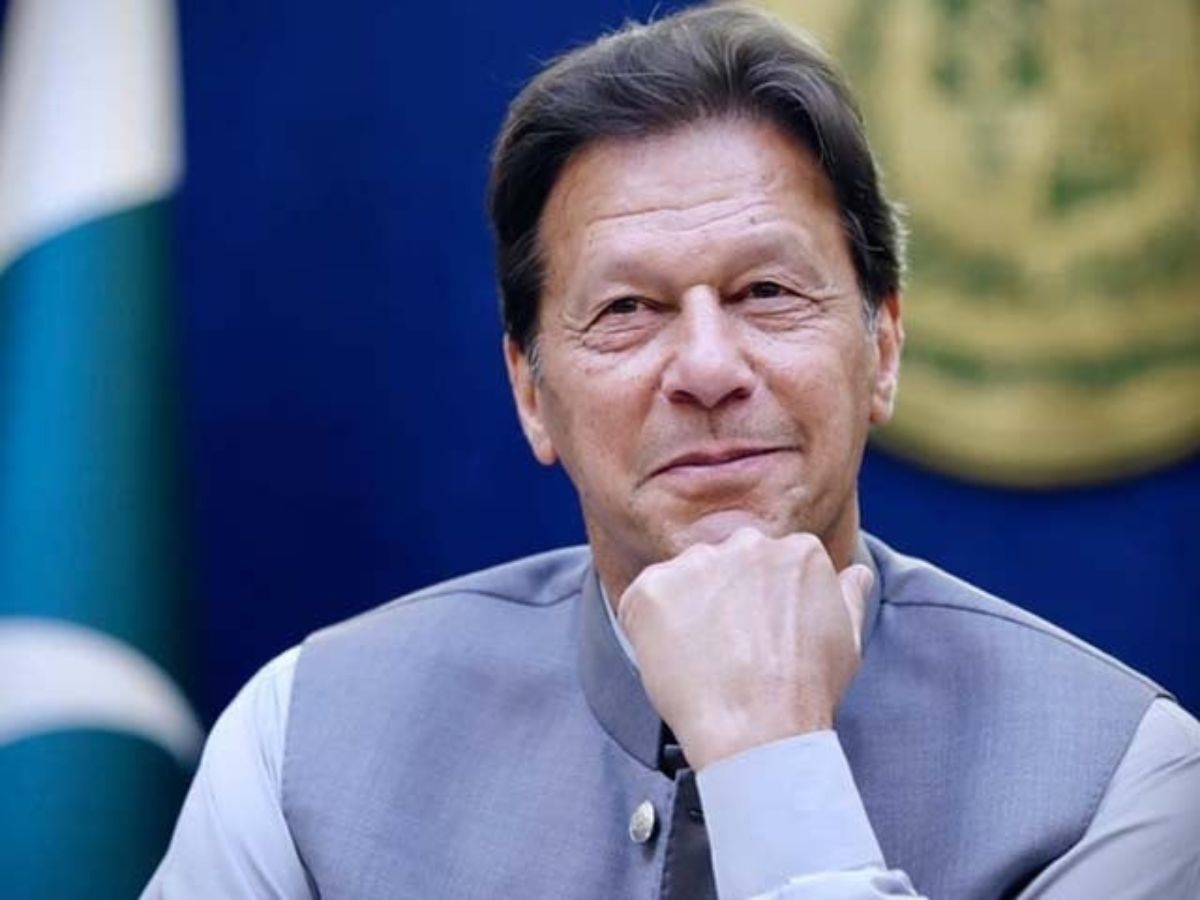
Imran Khan- Pakistan
Imran Khan was ousted through a no confidence vote in April 2022. Accused of economic mismanagement and diplomatic failures, his removal sparked massive nationwide protests by his supporters and deepened political unrest in Pakistan.
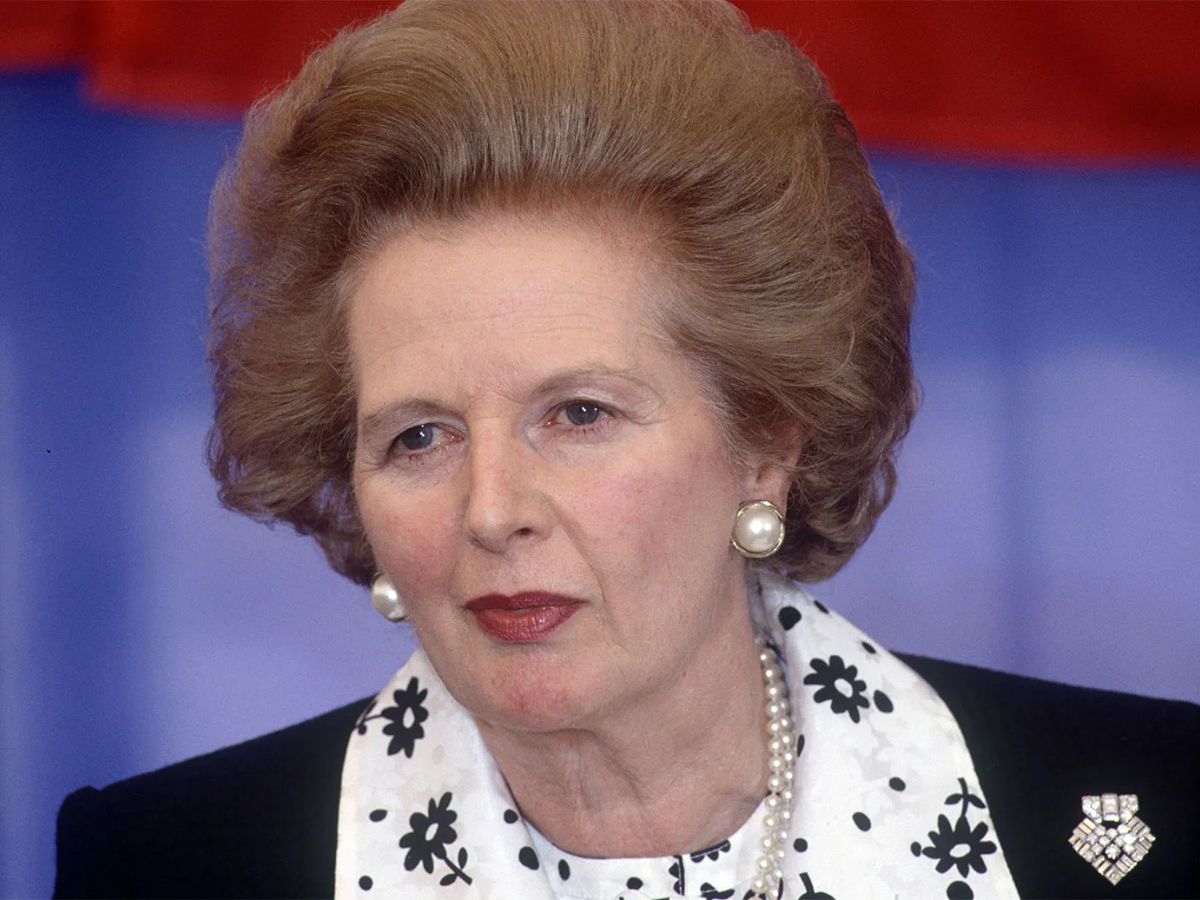
Margaret Thatcher- United Kingdom
Margaret Thatcher, the "Iron Lady" of British politics, resigned in 1990 after loosing support from her own party. Her unpopular poll tax policy and rising internal opposition led to her departure, ending her 11-year tenure and reshaping the UK's political landscape.

Disclaimer
The information provided is just for informational and general knowledge purposes only, and all the data is publicly available.




