
Astrology FACTS: Which Planet Has The Most Moons in 2025? Latest NASA Data Explained
You won’t believe which planet has more moons than any other world in our Solar System. Some of these moons are so strange that scientists say they could hide oceans, volcanoes and even signs of life. The competition between two giant planets for “Moon King” has shocked astronomers with every new discovery. Here’s a list of planets with the most number of moons.

Jupiter- 95 Moons
It holds the record for the highest number of natural satellites in our Solar System. Moons range from tiny rocky fragments to massive worlds like Ganymede.
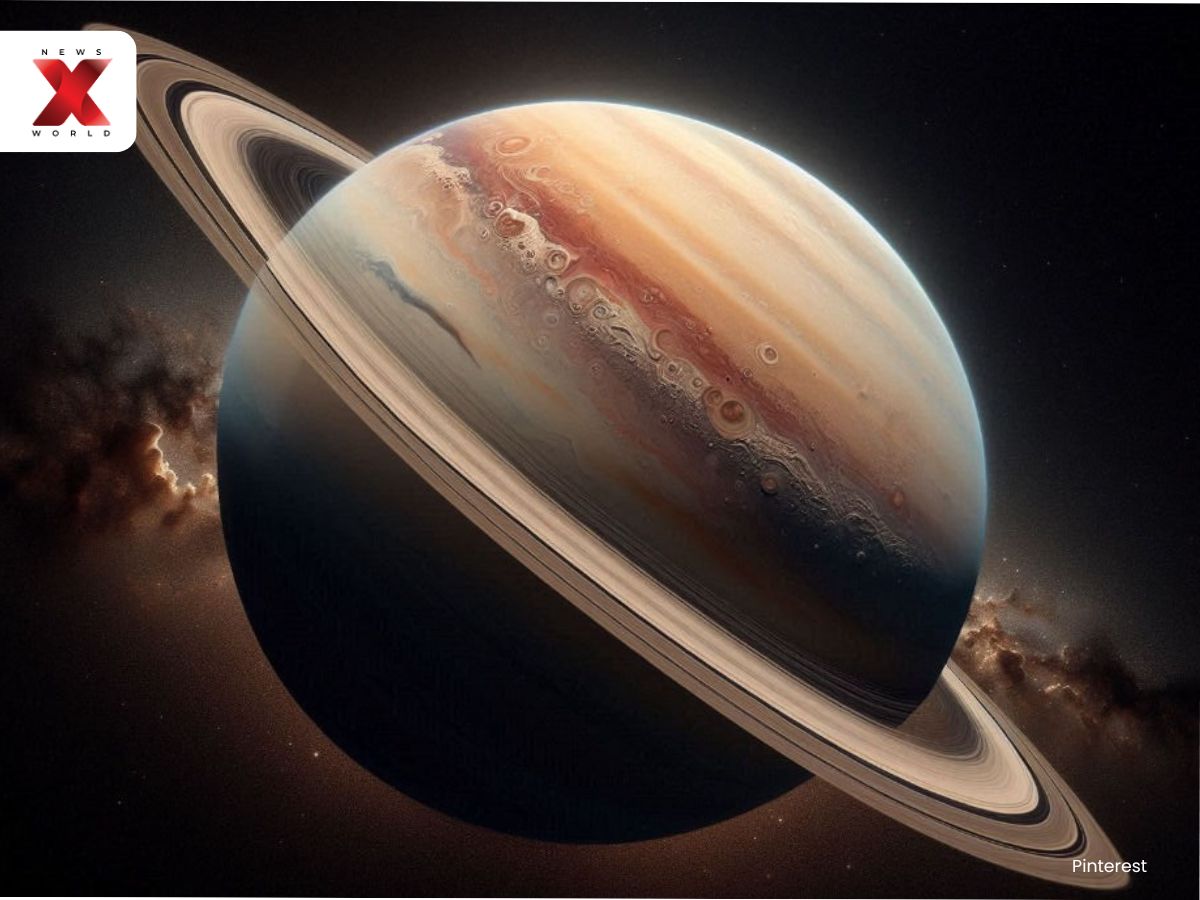
Saturn- 83 Moons
It was previously the planet with the most moons until Jupiter regained the lead. Its moons include Titan, one of the few worlds with a thick atmosphere.
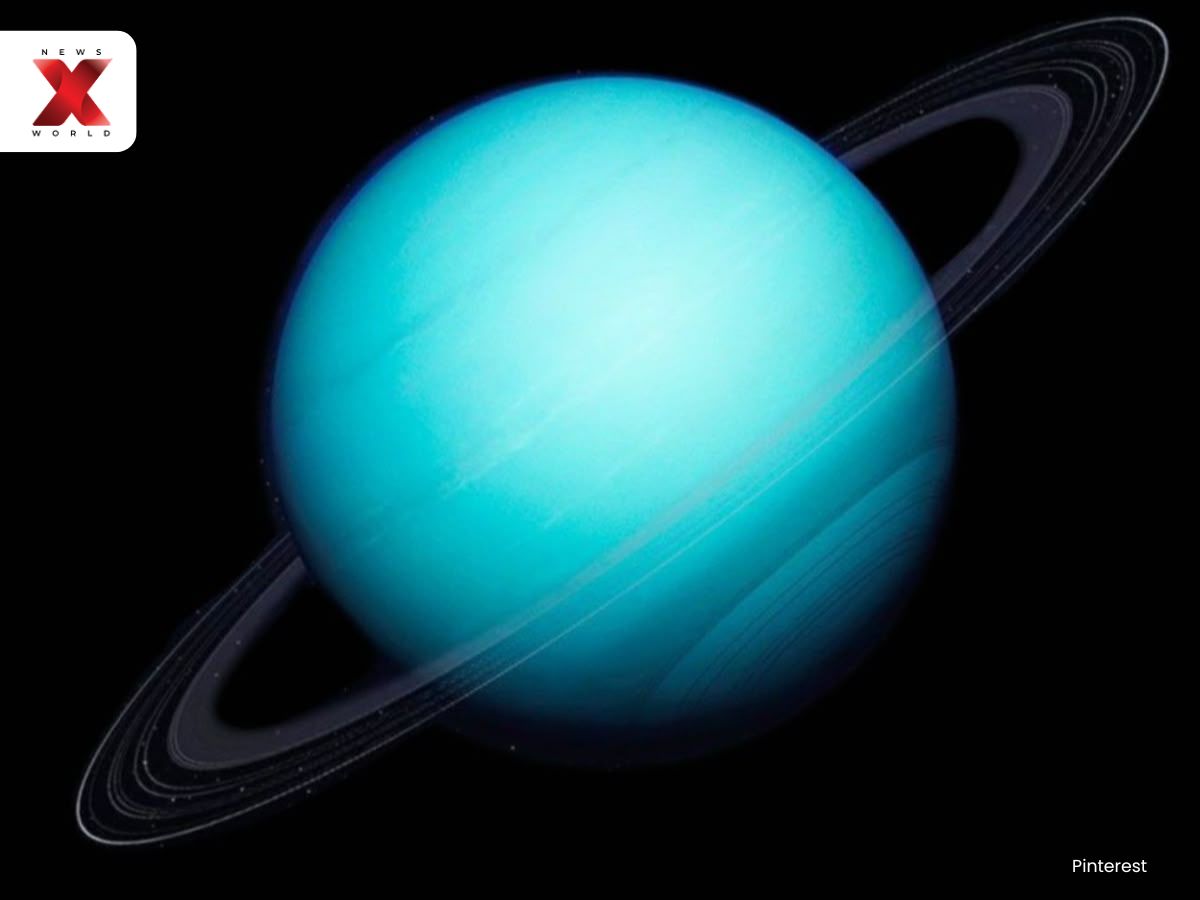
Uranus- 27 Moons
It has 27 known moons, named after Shakespeare and Alexander Pope characters. Most are irregular and icy, formed from past collisions.
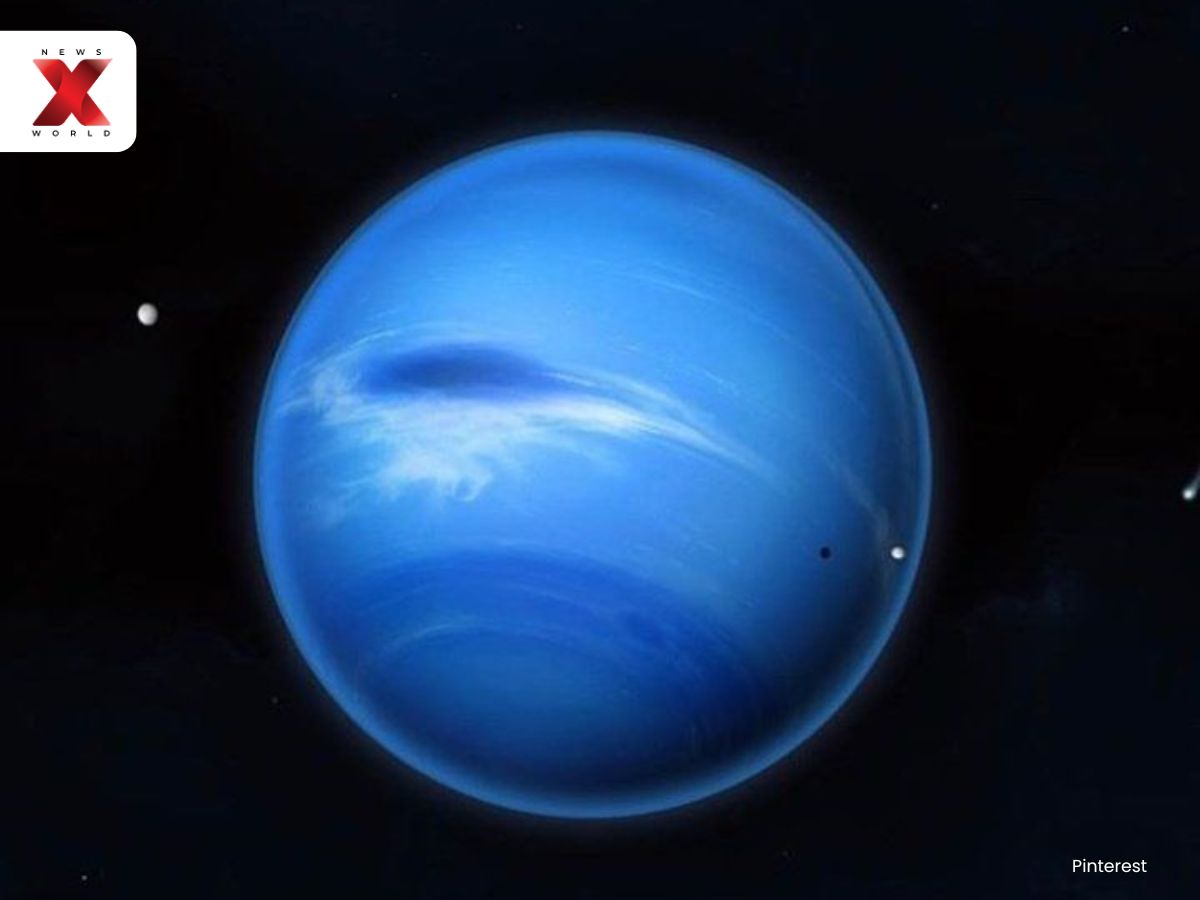
Neptune- 14 Moons
It has 14 confirmed moons, with triton being the most famous. triton orbits backward, suggesting it was captured from the Kuiper Belt.
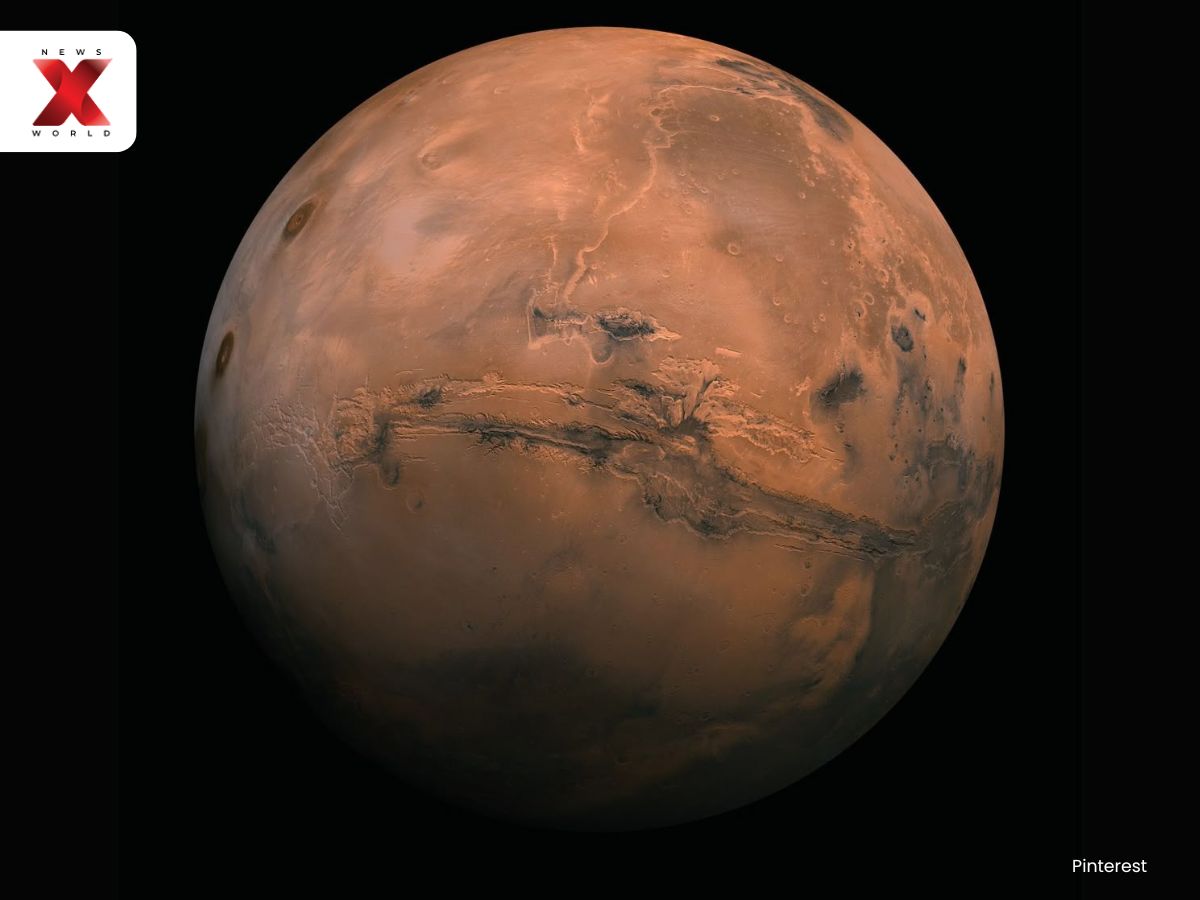
Mars- 2 Moons
It has only 2 tiny moons, Phobos and Deimos. They are likely captured asteroids due to their size and shape.
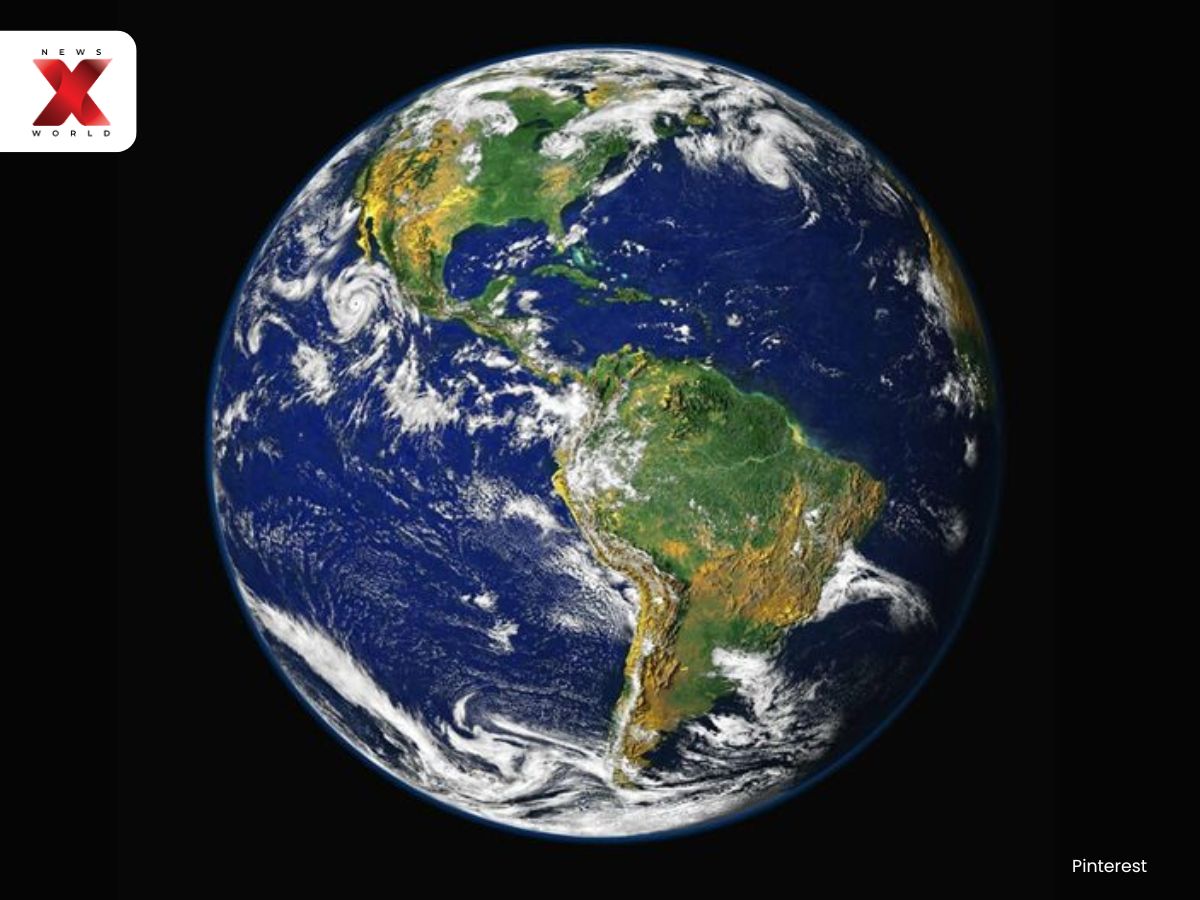
Earth- 1 Moon
It has only 1 natural moon, one of the largest relative to a planet's size. It stabilized Earth's tilt, making seasons possible.

Disclaimer
The information in this article is based on the latest publicly available astronomical data from sources such as NASA and peer-reviewed research as of the time of writing. Moon counts may change as new discoveries are made or classifications are updated. This content is intended for general educational purposes and should not be considered official scientific guidance. Readers are encouraged to check updated space agency reports for the most recent data.




