
In Pics: From Dengue To Skin Allergies Here Are Infections And Allergies That Spread In Monsoon Season
During the monsoon season, the weather becomes humid, water often collects in places, and temperatures keep changing. This change in the environment often affects our health, making it easier for infections and allergies to spread. The extra moisture in the air encourages the growth of mold and dust mites, which can lead to sneezing, coughing, or skin irritation. During the monsoon season, dirty water is common because of flooding and poor drainage. Still water from the rain also becomes a place where mosquitoes grow, which can cause more health issues. The quick weather changes can make the body weaker, so it’s easier to catch infections.
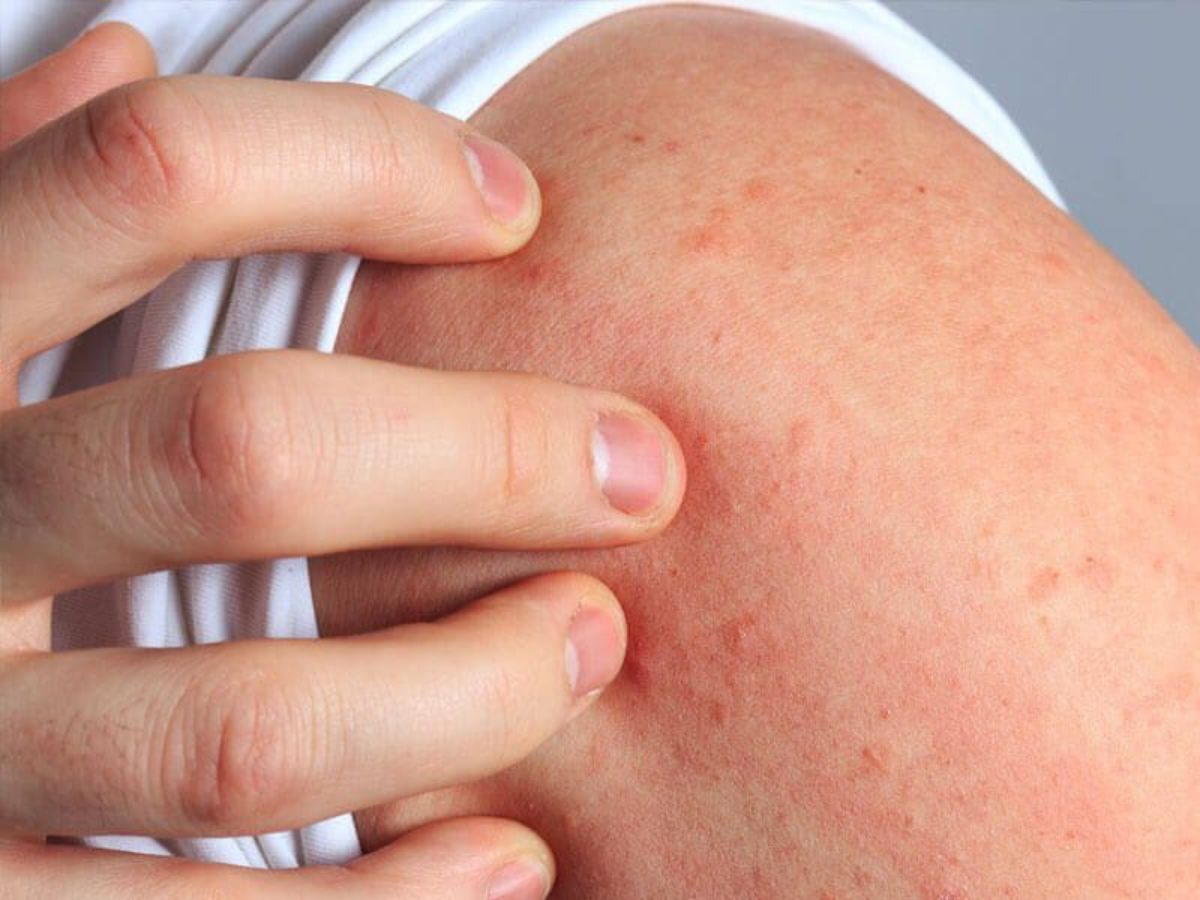
Skin Allergies
In the monsoon season, the wet and humid weather can cause skin problems like allergies and infections. The moisture makes it easier for germs and fungi to grow, which can lead to itching, rashes, and fungal infections.
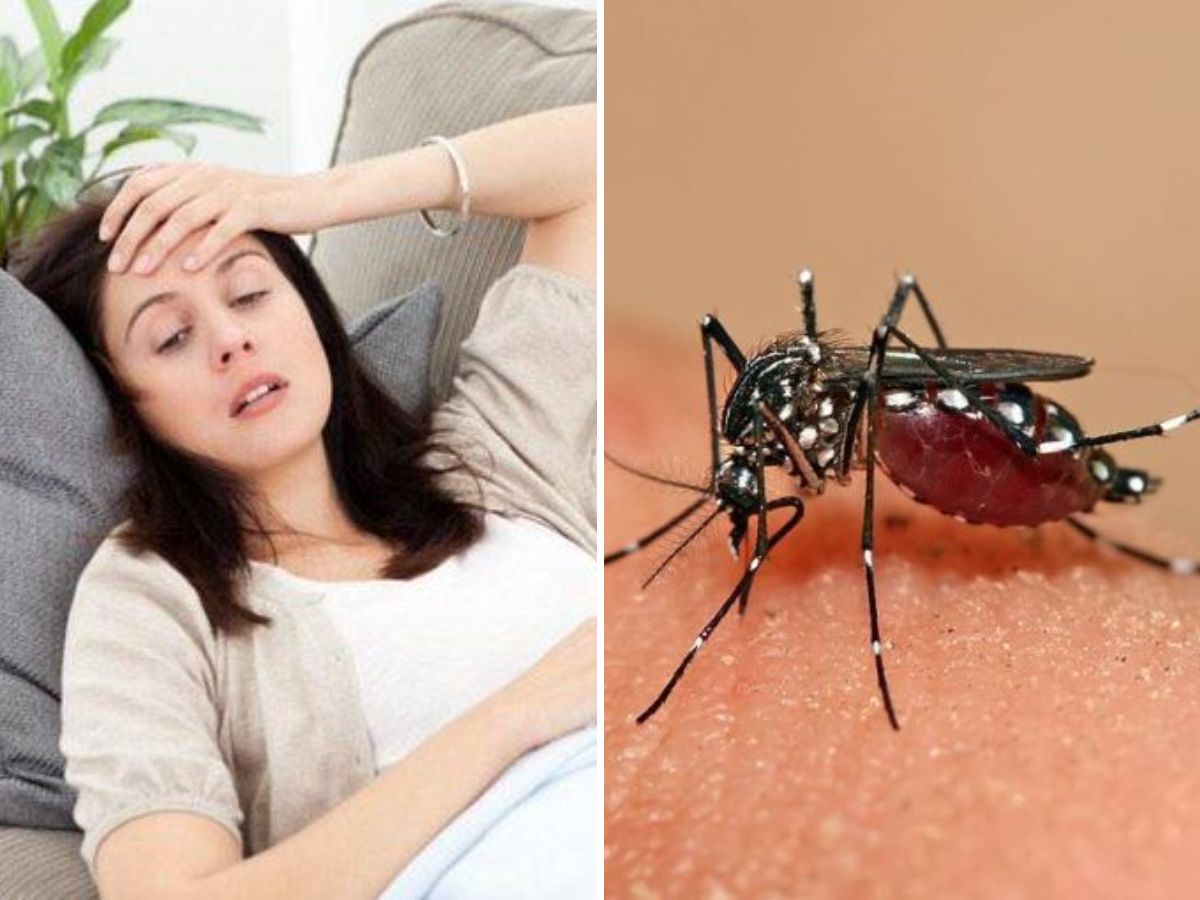
Dengue Fever
Dengue fever is a sickness that occurs mostly during the monsoon. It spreads through mosquitoes that grow in standing water after rain. Symptoms include high fever, severe headache, muscle and joint pain, rash, and sometimes nausea.
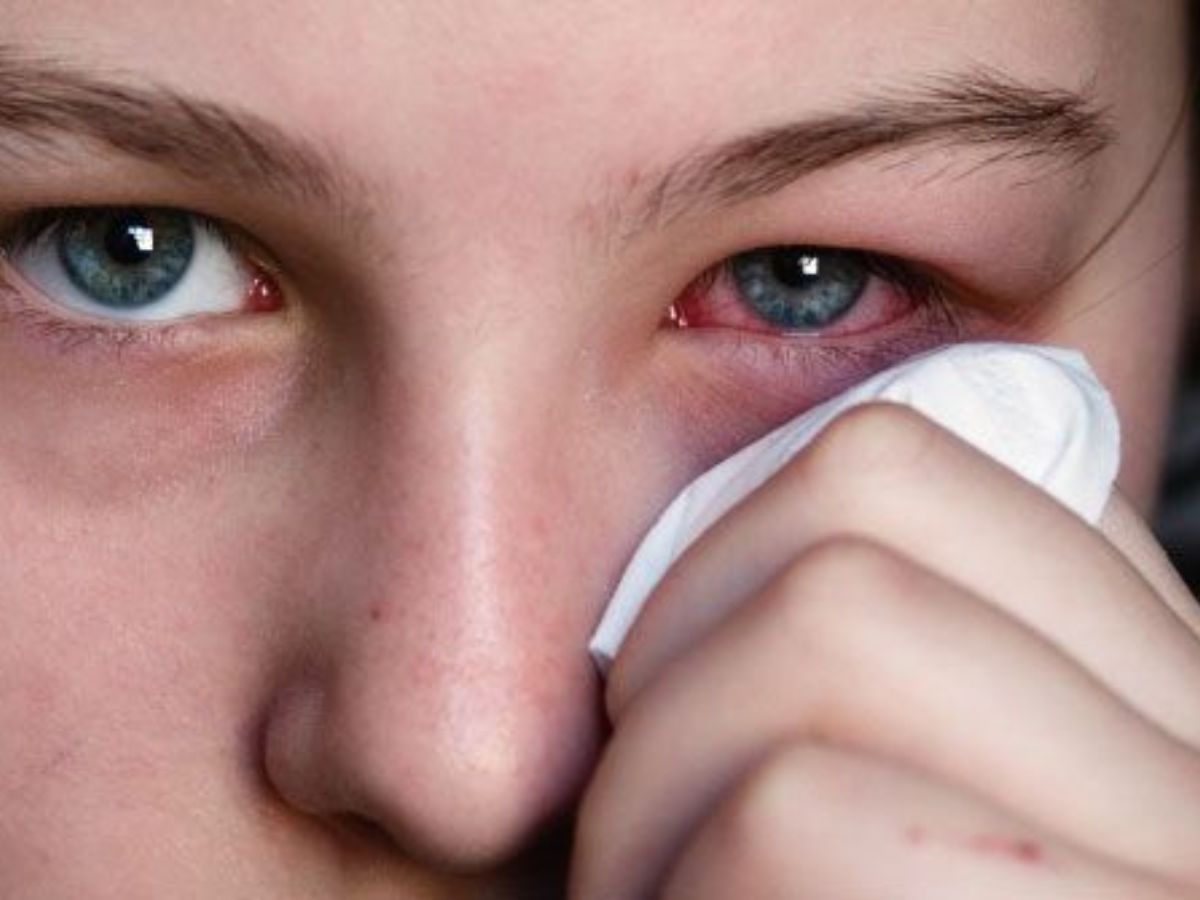
Conjunctivitis
Conjunctivitis is common in the monsoon due to the wet and humid weather. It is an infection or inflammation of the eye’s outer layer, often caused by bacteria, viruses, or allergies. Symptoms include redness, itching, watering, and a burning feeling in the eyes.
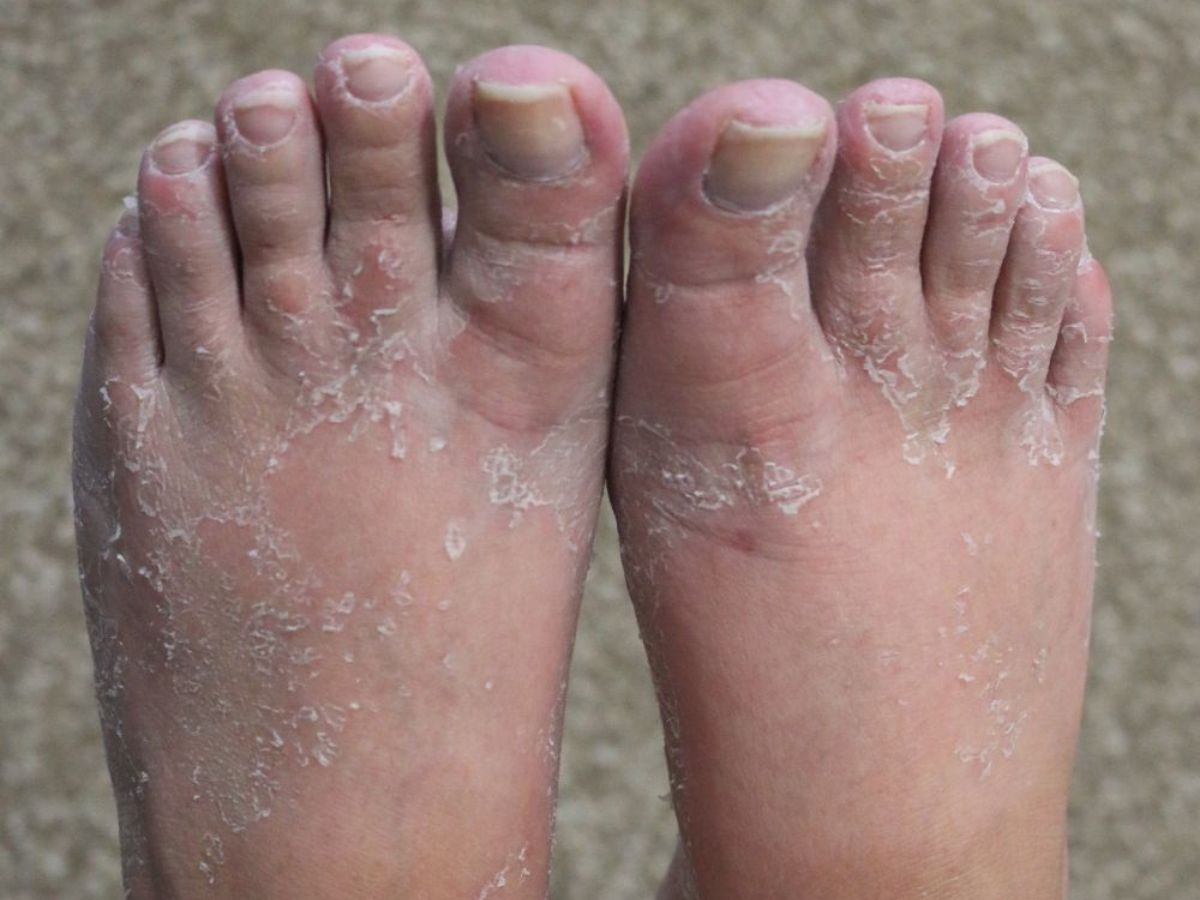
Fungal Infections
Fungal infections are more common in the monsoon because the wet weather helps germs grow on the skin. They cause itching, redness, and rashes, especially in sweaty places like feet and underarms. Wearing wet clothes for too long can make fungal infections severe.
Chikungunya
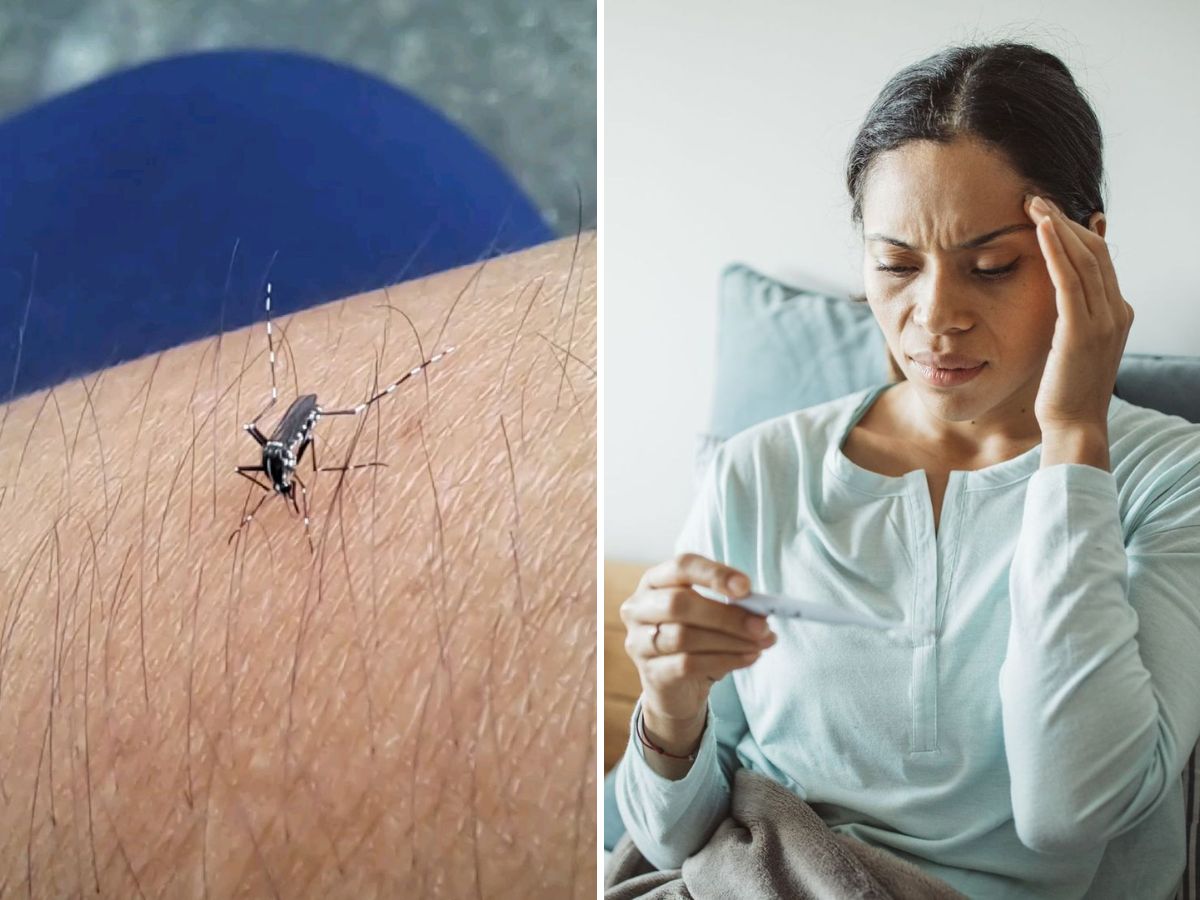
Chikungunya is common during the monsoon because mosquitoes breed in stagnant water. These mosquitoes bite people and pass on the disease, especially since they grow quickly in wet weather. Common symptoms are high fever, joint pain, headache, and rashes.

Common Cold and Flu
During the monsoon, many people catch a cold or the flu very easily. This is because when it rains, germs spread quickly from one person to another. The rainy weather also makes everything humid, which helps these germs to live longer.
Malaria
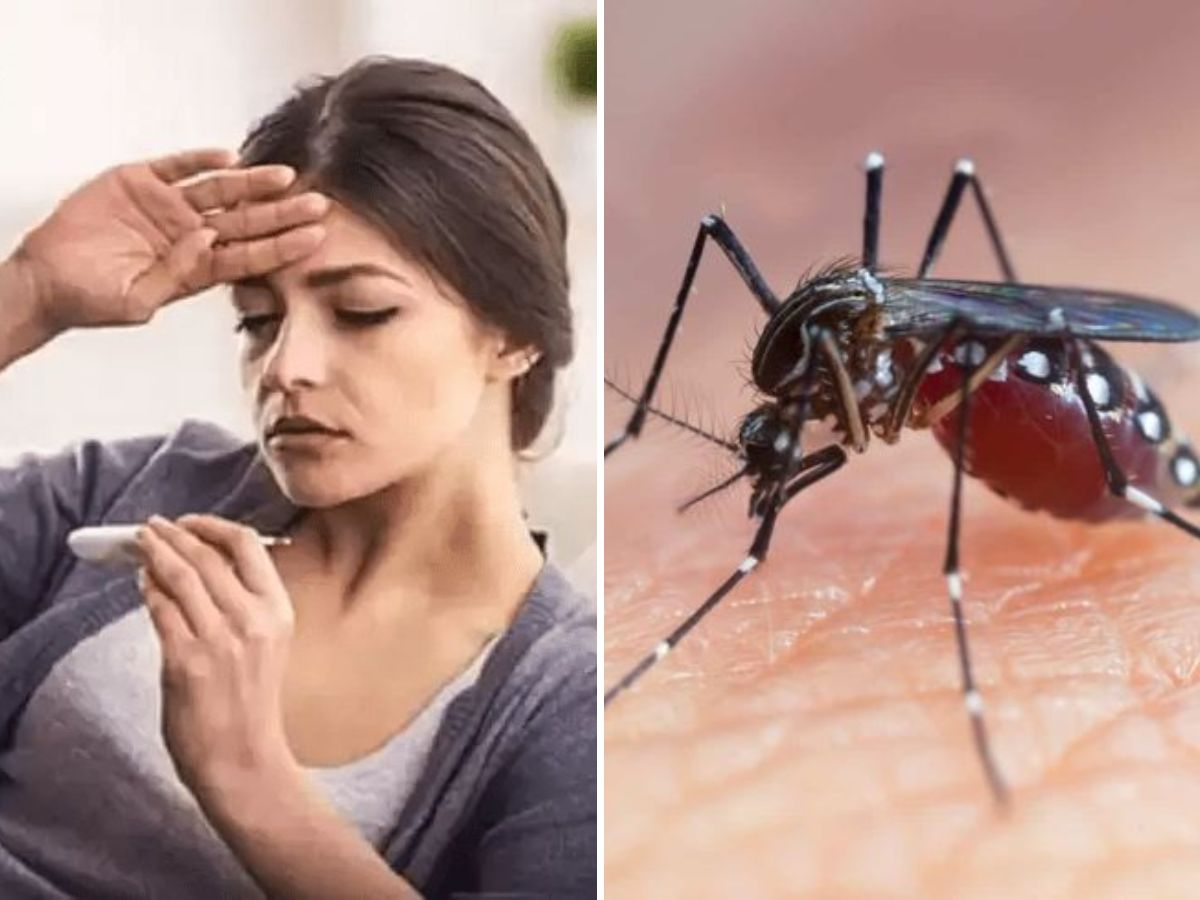
Malaria cases peak during the rainy season despite prevention efforts because the monsoon creates ideal conditions for mosquitoes. The warm and humid weather helps mosquitoes live longer and spreads the malaria parasite faster.




