
Journey Through The Top 10 Ancient Temples Of East Asia!
For centuries, historic temples and ancient sites along the border line separating Cambodia and Thailand have always been revered sacred sites and they have also been the site of violent competition and conflict. This has led to disputes and arguments about territory and ownership, and there has even been armed conflict. The tension involved shows how heritage represents faith and national identity and how it can become embedded in geopolitical tension.
East Asia’s ancient temples are not just simply beautiful architecture. They are essential spiritual centres, filled with the prayers of generations, and rich sources of shared cultural heritage. With sites spanning from huge temples hidden in the jungles and caves to temples resting on seaside cliffs, you will get an opportunity to connect with faith and time.
Prepare to be amazed, not only by the sheer beauty of elaborate carvings and intricate murals, not only by the divine, spiritual energy and stories that existing in every pillar, statue and nook of the ancient buildings, but also by the heart and spirit of an entire continent captured in stone.
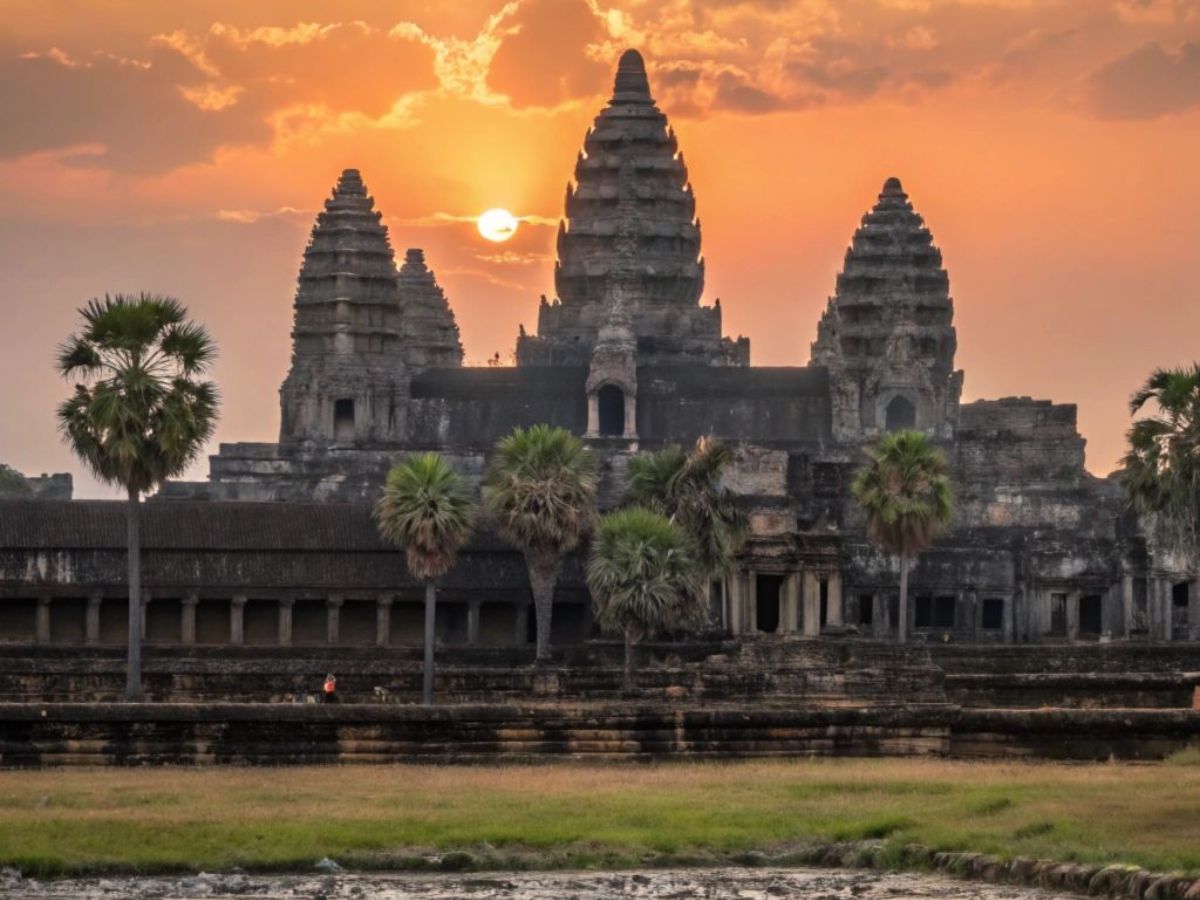
Angkor Wat (Cambodia)
A colossal 12th-century masterpiece of Khmer architecture and the world's largest religious monument. Dedicated to Vishnu, its intricate bas-reliefs depict Hindu mythology, while its iconic lotus-bud towers rise majestically, especially at sunrise, drawing millions to its unparalleled historical and spiritual grandeur.
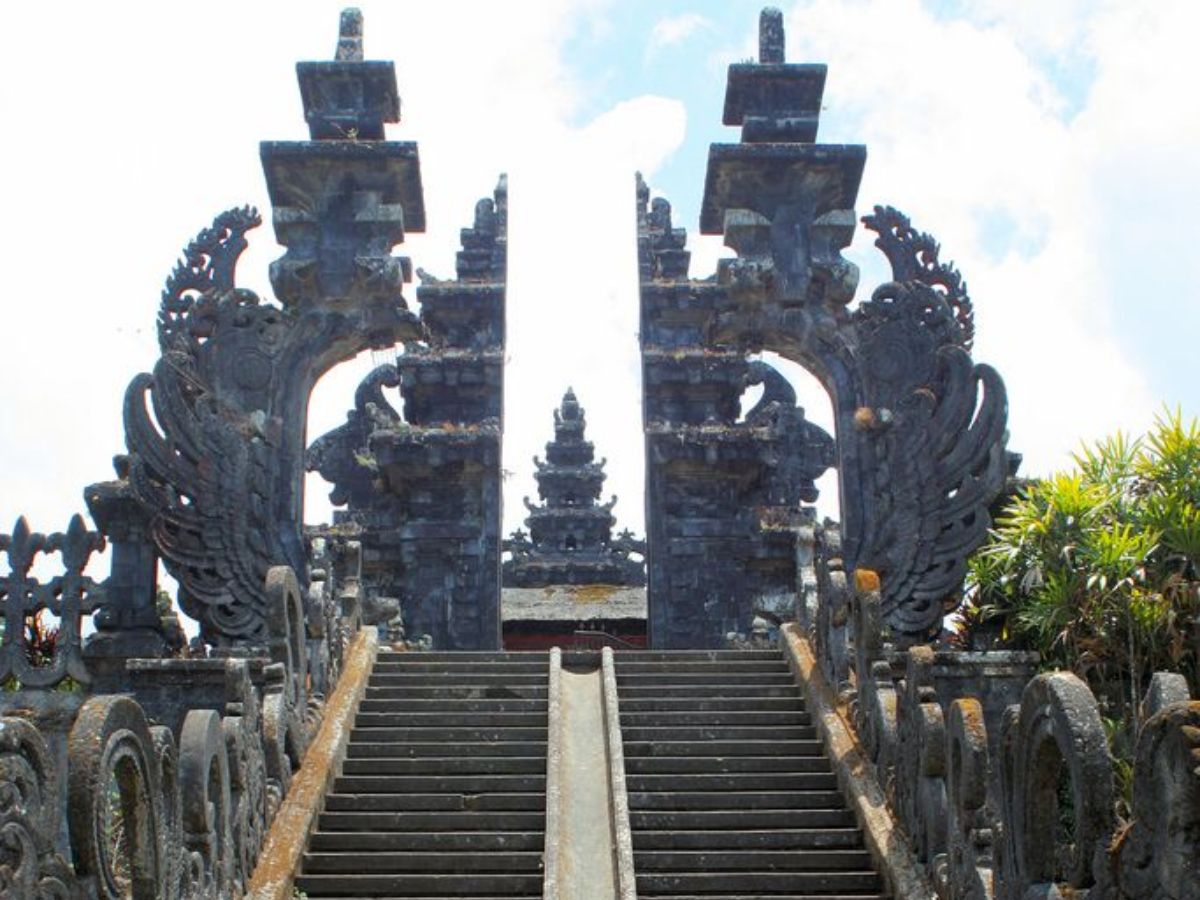
Pura Besakih (Indonesia)
Known as Bali's "Mother Temple," this sprawling temple dramatically cascades up the slopes of Mount Agung. Comprising over 86 temples, it's the most important and holiest site for Balinese Hinduism, offering breath-taking vistas and a profound spiritual atmosphere amid stunning volcanic scenery.
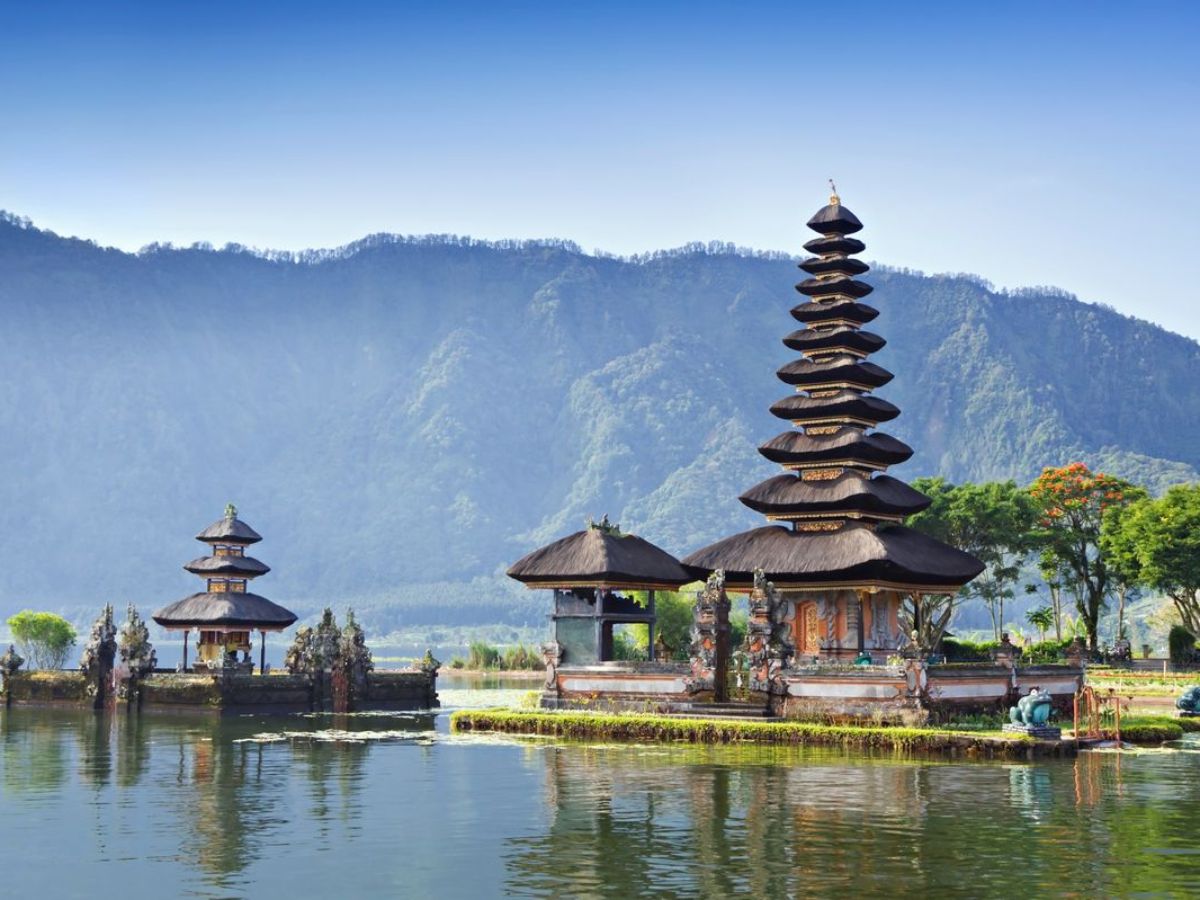
Ulun Danu Beratan (Indonesia)
Situated on the shores of Lake Beratan, this picturesque water temple appears to float serenely on the surface. Dedicated to Devi Danu, the goddess of lakes and rivers, its tiered shrines, especially the elegant meru roofs, create a truly iconic and tranquil scene, reflecting the surrounding mountains.
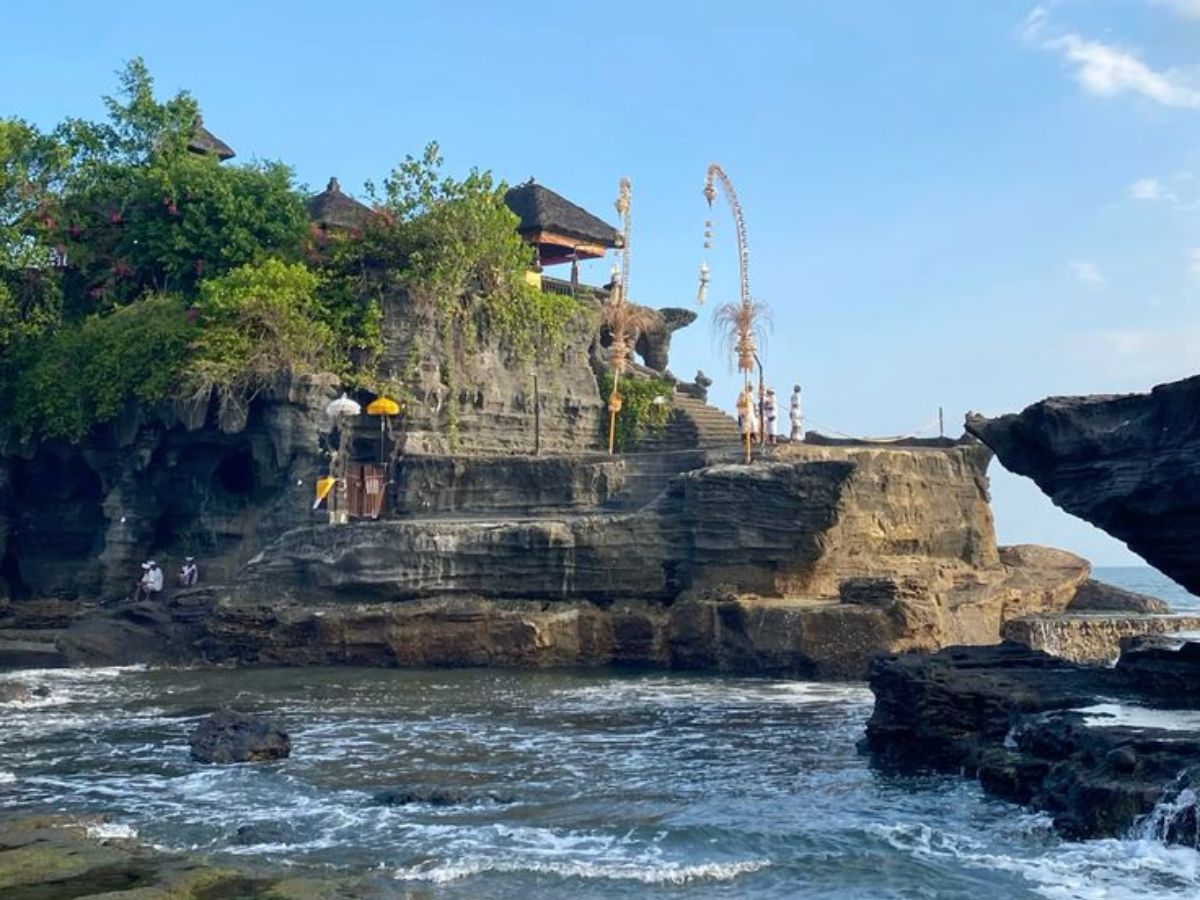
Tanah Lot (Indonesia)
Tanah Lot is one of Bali's most well-known sea temples. It is devoted to sea gods and signifies beautiful sunset views and is situated on top of a formation of rocks surrounded by crashing waves. Accessible only during low tide, it can be a busy pilgrimage, and tourist site, reflecting the magical beauty of the island.
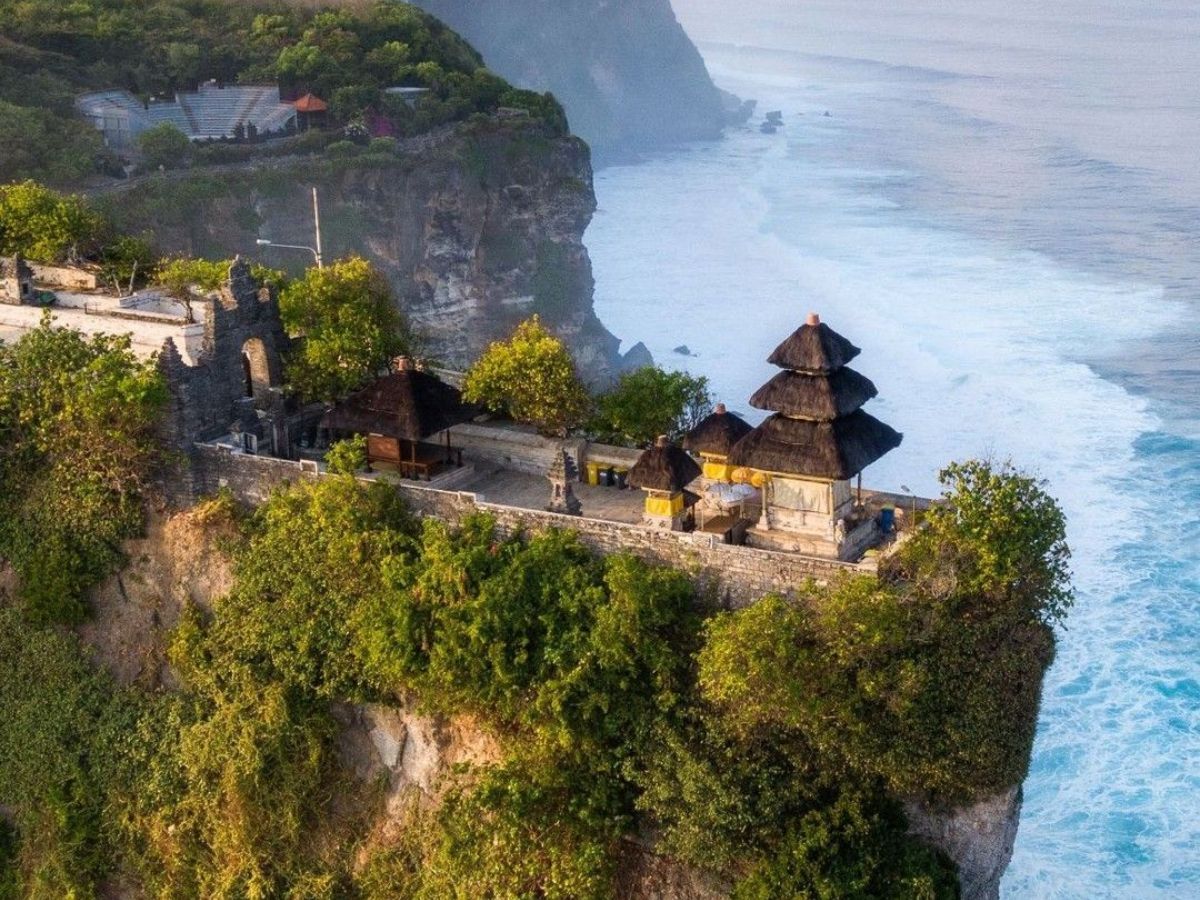
Uluwatu Temple (Indonesia)
Perched dangerously on a 70-meter high cliff overlooking the Indian Ocean, this ancient Balinese sea temple is famed for its breath-taking views and mischievous monkey inhabitants. It's a prime spot for watching the sunset, often accompanied by the mesmerizing Kecak fire dance performance.
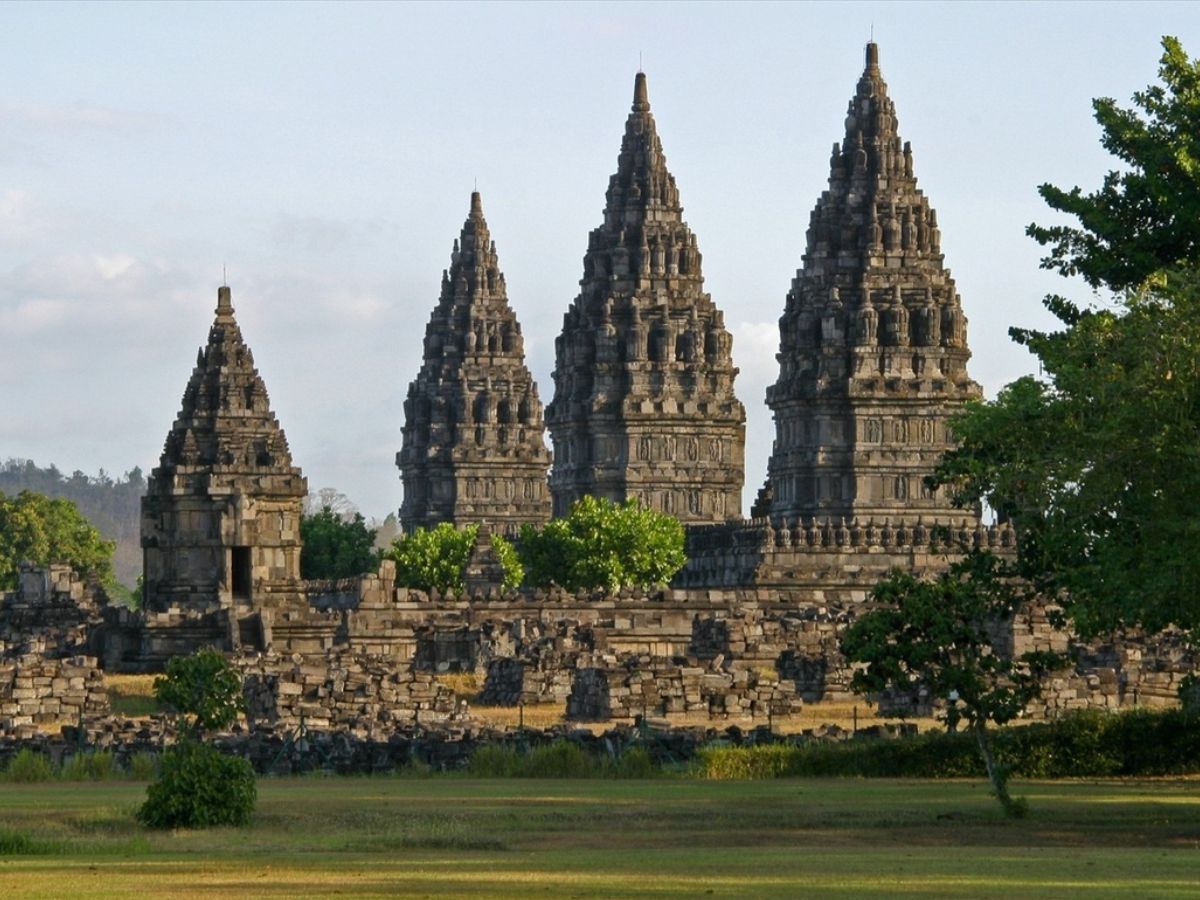
Prambanan (Indonesia)
Prambanan, which is a UNESCO World Heritage site, is the largest Hindu temple in Java, Indonesia, honouring the Trimurti of Shiva, Vishnu, and Brahma, amid its tall, intricately carved towers. The temple was built in the ninth century and contains extraordinary examples of classical Hindu architecture, and has ancient relief carvings from epics.
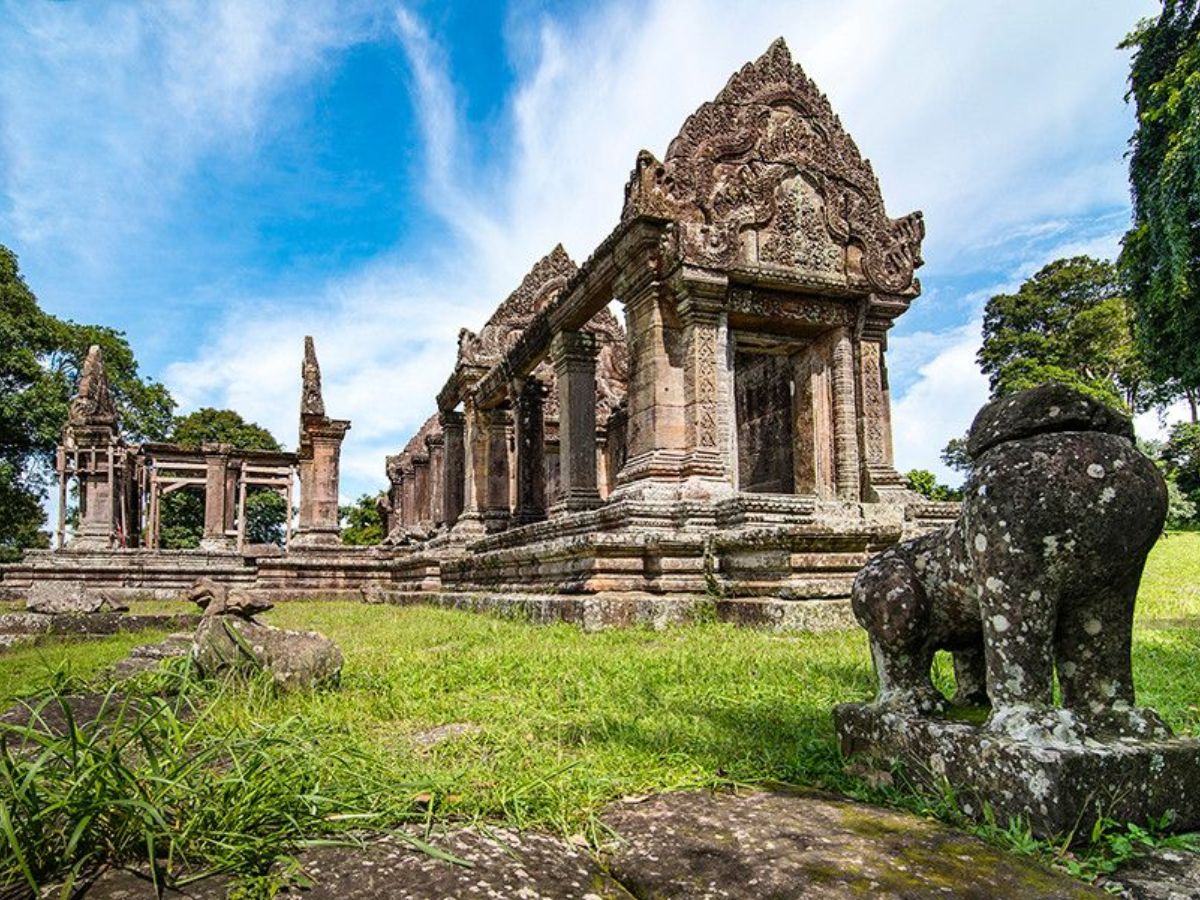
Preah Vihear (Cambodia)
A remote and historically contested temple dedicated to Shiva, perched on the edge of a plateau with stunning views over the Cambodian plains. Its unique architectural plan features a series of sanctuaries linked by long pavements and staircases over an 800-meter axis, demonstrating exceptional Khmer craftsmanship.

Vat Phou (Laos)
A ruined Khmer Hindu temple complex in southern Laos, predating Angkor Wat. Perched at the base of Mount Phu Kao, its unique layout leads visitors through successive tiers to the sanctuary, offering stunning views and ancient stone structures that blend seamlessly with nature.

Sri Veeramakaliamman Temple (Singapore)
It is one of the oldest Hindu temple located in Singapore's Little India that is rich in history. It is devoted to the Goddess Kali. Its intricate and colourful gopurams (towers) depicts numerous gods and is known for its fine details. For the Hindu community, it is a dynamic cultural and religious site.
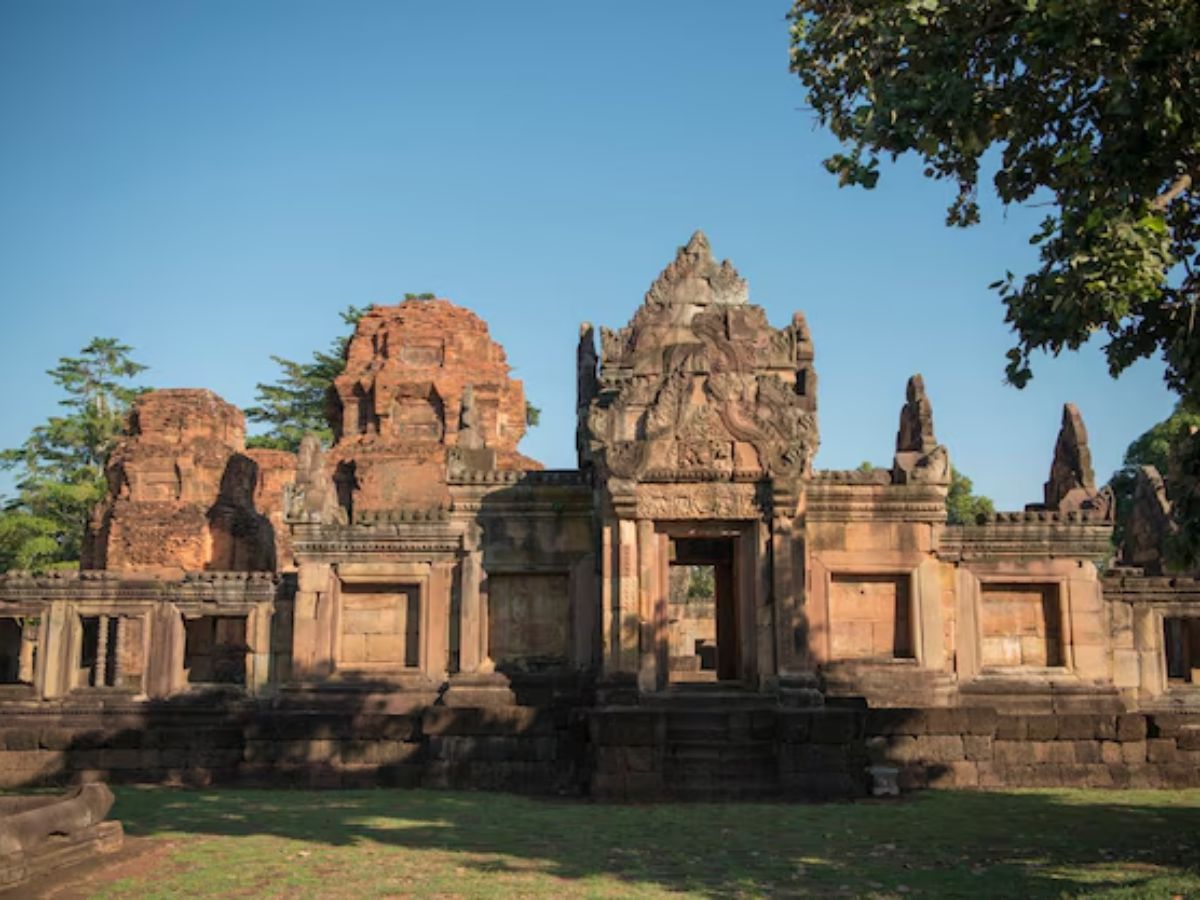
Prasat Ta Muen Thom (Thailand/Cambodia Border)
The largest of a group of Khmer temples near the Thai-Cambodian border, built as a Hindu shrine dedicated to Shiva. Unusual for Khmer temples, its main entrance faces south. It's notable for its unique natural Shiva lingam in the main tower and its remote, strategically important location.




