
Nepal Unrest, Timeline: Nepal’s Trajectory From Monarchy To Democracy, In Pics
The Nepal Army took control of Kathmandu airport and secured Singhdurbar, the country’s main government secretariat, after protesters set fire to houses inside the complex. Soldiers evacuated agitators before moving in and later stopped attempts to vandalise the gate of the Pashupatinath Temple.
Earlier, the army announced that it would formally assume security responsibilities from 10 pm on Tuesday to control the escalating violence. The move came after days of protests that spread across major cities. Officials said the measures aimed to restore law and order in the violence-hit capital and other sensitive areas.
Army Statement on Security Measures
The Directorate of Public Relations and Information of the Nepal Army issued a statement addressing the situation. It warned that “some groups are taking undue advantage of the difficult situation and causing severe damage to ordinary citizens and public property.”
The statement further added that all security agencies, including the army, would be mobilised if unrest continued. Officials urged citizens to cooperate with security forces and avoid destructive activities. The announcement marked one of the strongest interventions by the Nepal Army since protests intensified against the government, raising concerns over stability and public safety.
Devotees from Gujarat Stranded in Nepal
Over 40 people from Bhavnagar’s Nari village in Gujarat have been trapped in Nepal amid the ongoing violence, local officials confirmed.
The group had travelled to Nepal on a religious pilgrimage when protests turned violent. Local corporator Upendra Singh contacted the stranded devotees and confirmed their safety. He then informed local MLA Jitubhai Vaghani, who immediately reached out to the group over the phone. Vaghani assured them of full support and said he has already briefed the Gujarat Chief Minister. He also updated the Indian government about their condition, stressing the urgent need for assistance.
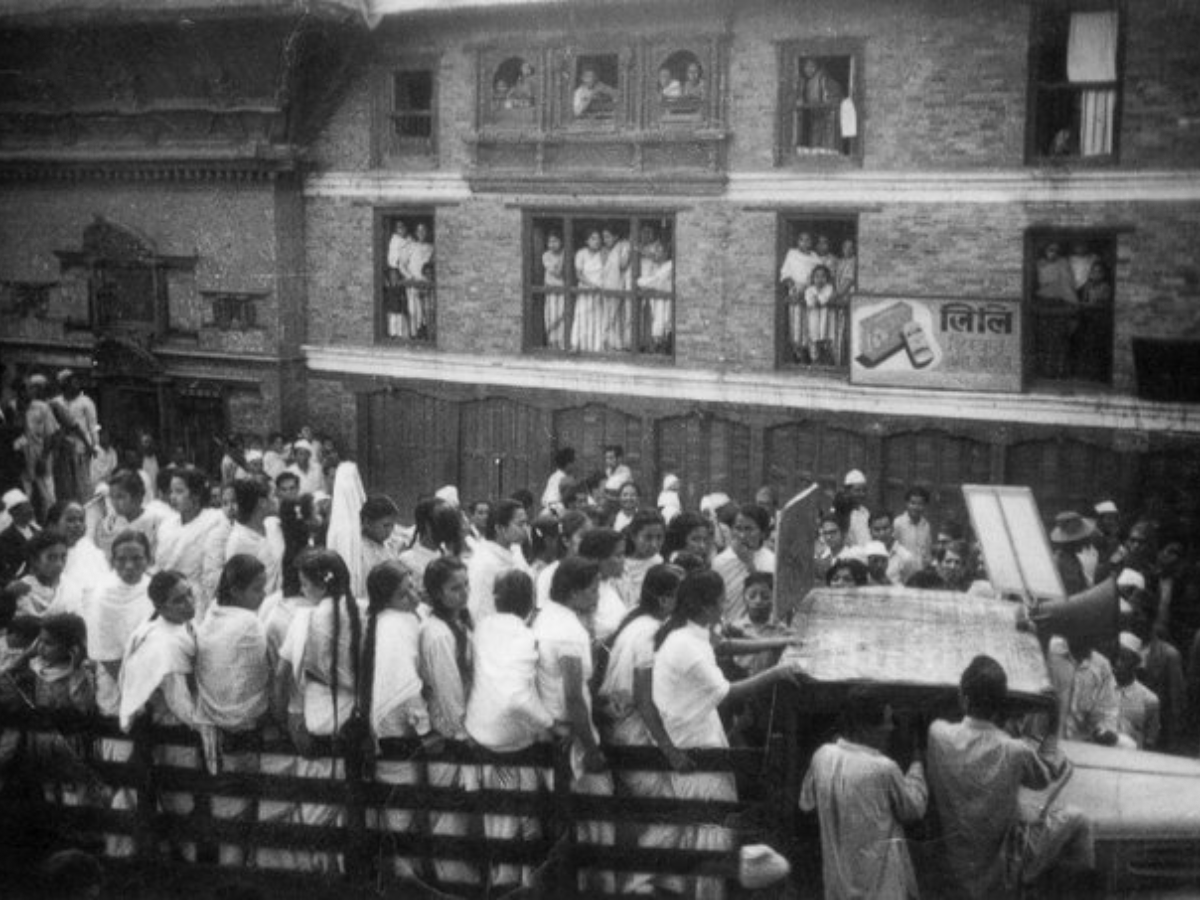
1951 – Fall of Rana Rule
Nepal ended the hereditary Rana rule in 1951 after pro-democracy movements gained momentum. Citizens demanded change and succeeded in overthrowing the system that allowed hereditary prime ministers to dominate power. Parliamentary democracy was introduced, giving people a say in governance for the first time. This was the foundation for political change in Nepal, but tensions between monarchy and democratic leaders persisted.
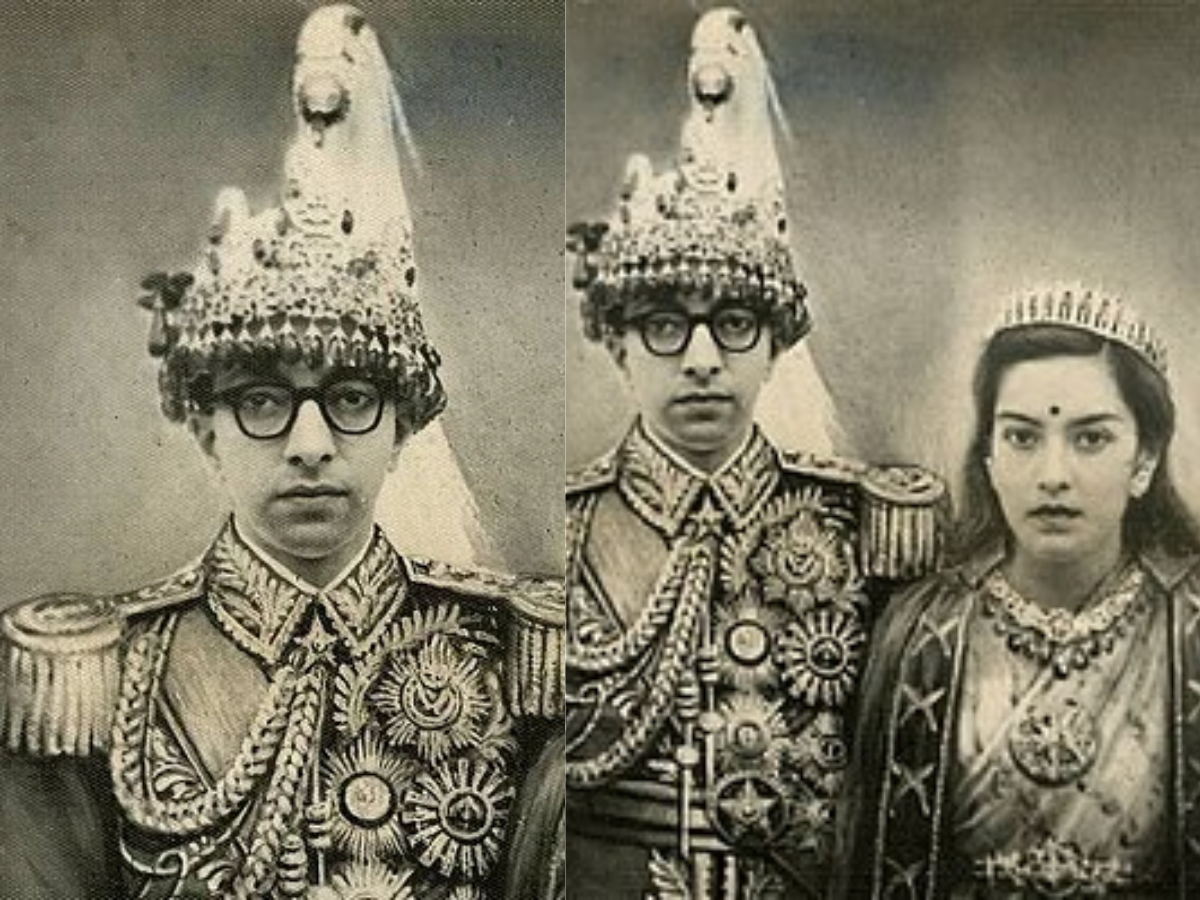
1961–1990 – Panchayat Era and Protests
In 1961, King Mahendra banned political parties and enforced the Panchayat system, which centralized power under the monarchy. For nearly three decades, citizens had limited political rights. Dissatisfaction grew until 1990, when major parties and people united under the “People’s Movement.” Widespread protests forced King Birendra to restore multi-party democracy. The fall of Panchayat marked a major turning point in Nepal’s democratic journey.
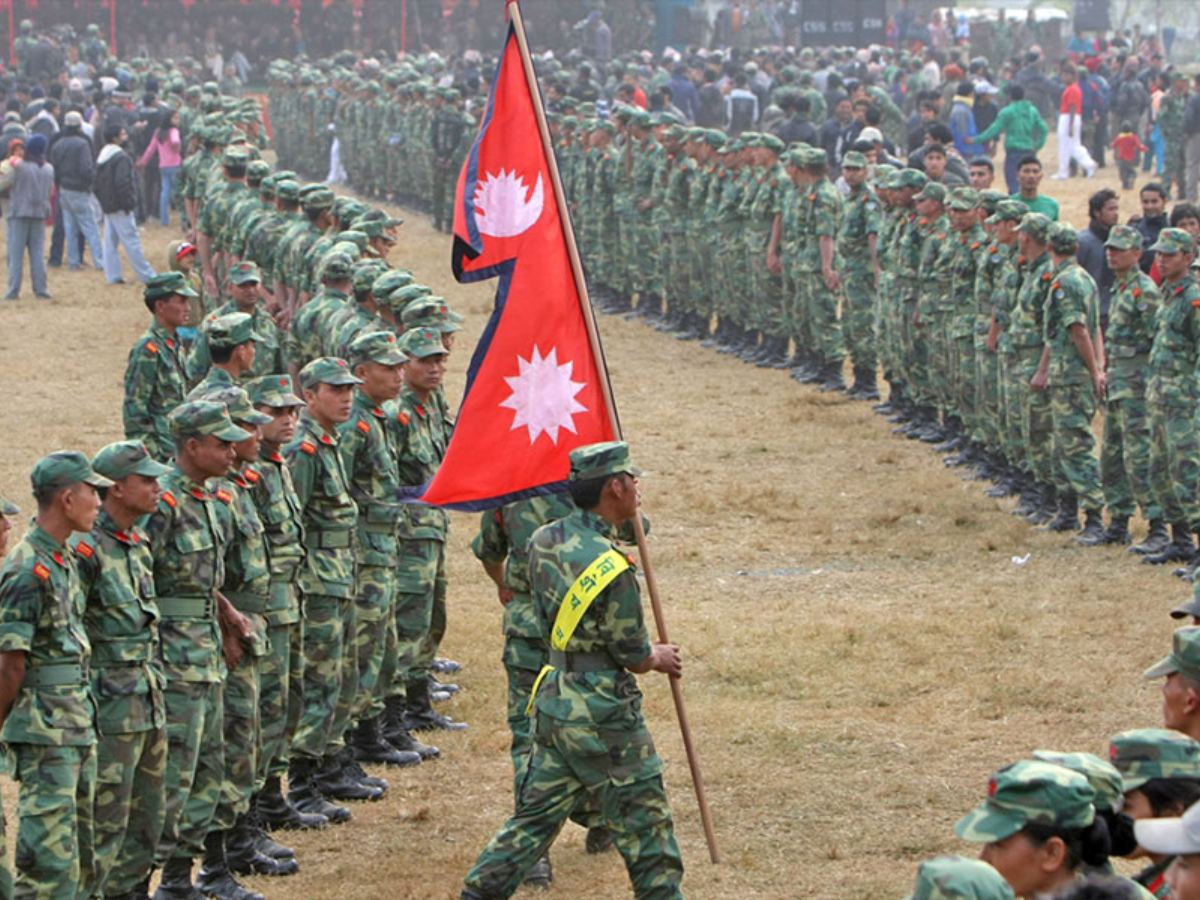
1996 – Maoist Insurgency Begins
In 1996, Nepal’s Maoist rebels started an armed insurgency to replace the monarchy with a people’s republic. The conflict lasted a decade and caused more than 17,000 deaths. Villages and towns across Nepal witnessed violence and instability. The civil war disrupted governance and the economy, but it also built pressure for major political reforms. The insurgency reshaped the country’s political landscape and pushed Nepal closer to abolishing monarchy.
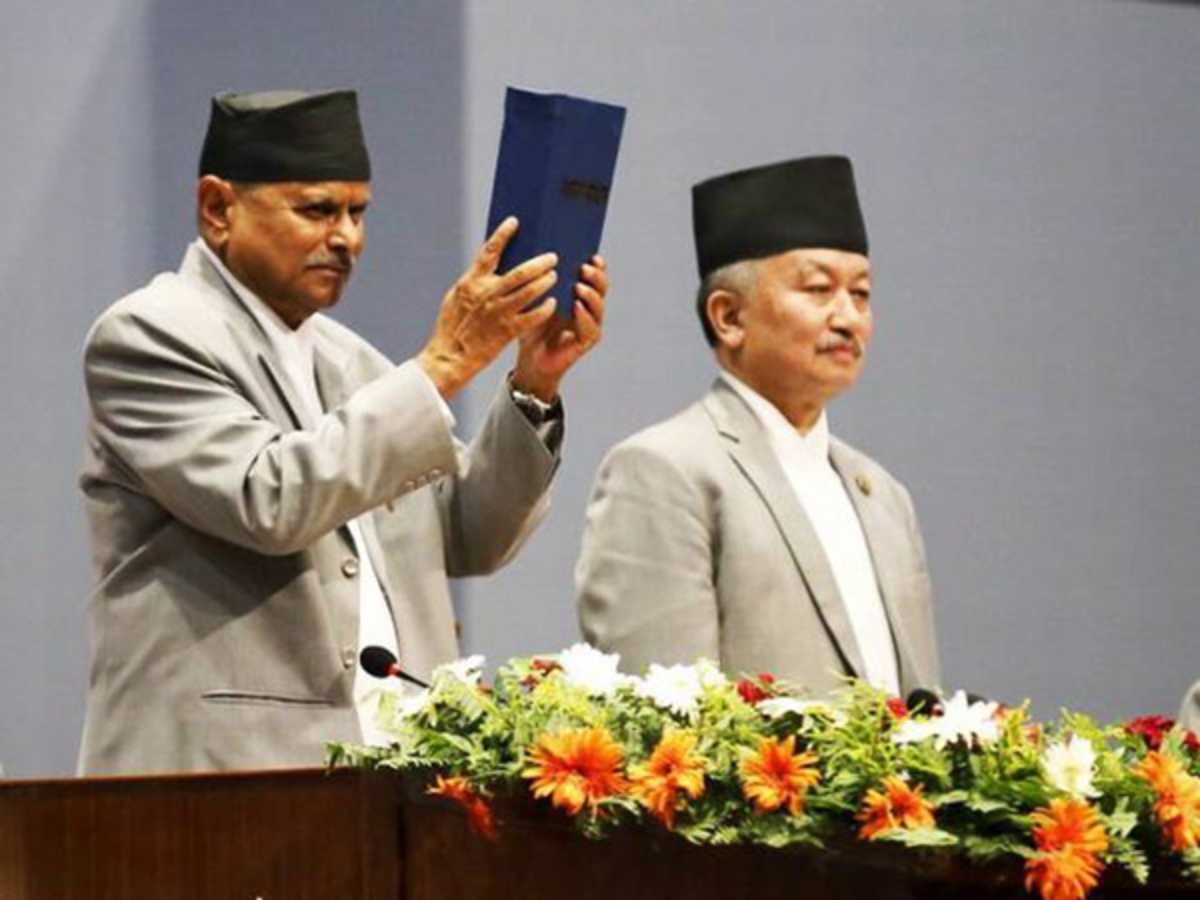
2006–2015 – Republic and New Constitution
Civilians staged mass protests in 2006 that forced the monarchy to step aside. In 2008, Nepal declared itself a federal democratic republic, officially ending centuries of monarchy. King Gyanendra, the last monarch, began living as a commoner in Kathmandu. In 2015, Nepal adopted a new constitution, strengthening its status as a secular federal republic. However, political divides and governance issues continued to challenge stability.
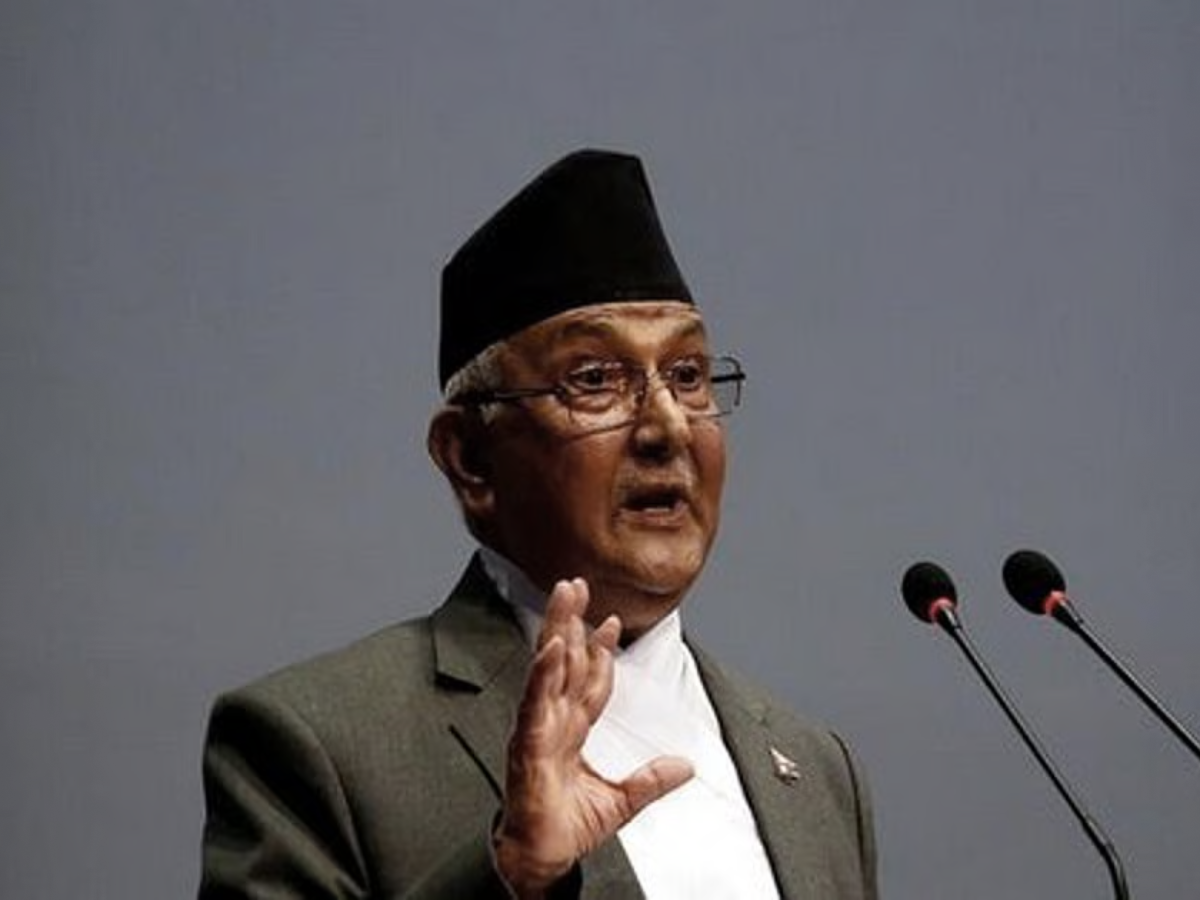
2015–2025 – Oli’s Political Journey
K.P. Sharma Oli became prime minister in 2015 for the first time. He returned for multiple terms in 2018, 2021, and 2024. His leadership saw political gains but also frequent criticism over corruption and governance issues. On Tuesday, he resigned after violent anti-corruption protests, leaving Nepal in fresh political uncertainty. His exit once again shows the difficulty of maintaining stable governments in the Himalayan nation.




