
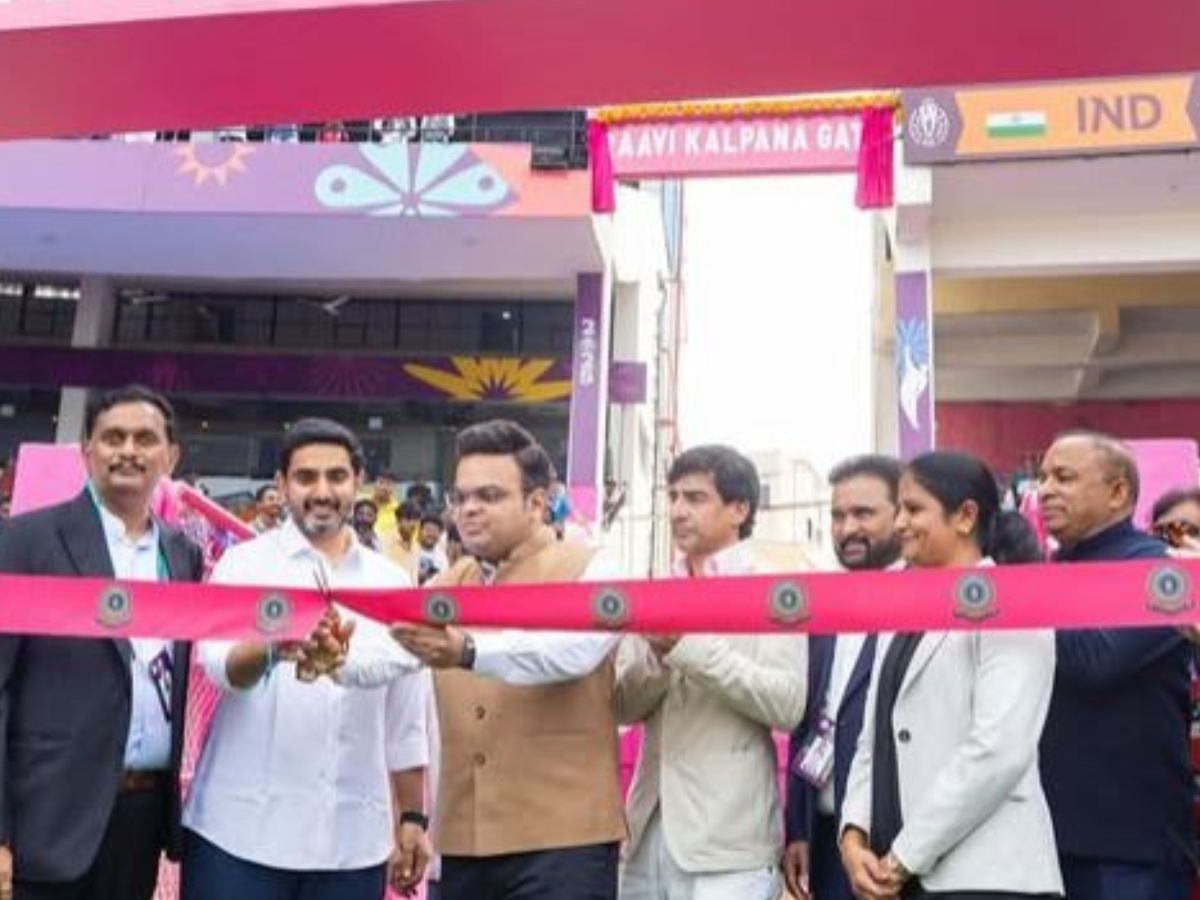

Not only has a historic milestone in Indian sport been put in stone by the recent victory of the India women national cricket team at the ICC Women World Cup 2025, but the victory has also placed into the limelight the strategic reforms by the head of Board of Control of Cricket in India, Jay Shah, whose vision of women’s cricket in the country has helped in creating the changes. During his tenure, there has been a resurgence in the professionalization of the women’s game, which has ensured that facilities, finance and exposure of female cricketers are refurbished to meet the current status of the game. He has made it very clear in his mantra, merit, investment and equality should be the future of Indian cricket.
Jay Shah’s Reforms In The Story Of Indian Women’s Cricket
The achievements of the women’s team led by Shah may be regarded as an approval of several changes that were implemented in the system, starting with the remunerations and contracts and the domestic leagues and the international exposure. These changes played a leading role in helping the players to deliver their best at the world cup, which resulted in the first title in the world cup in India. The victory thus is not only a marker to the team of players on the field, but the organisational ecosystem behind the players, evidence that calculated investment can yield competitive outcomes. To some measure, the win of the team is one of the testaments to what can be achieved when the institutional aid and personal talent are combined.
Team India Women’s First World Cup Trophy And Jay Shah’s Contribution
In the future, the changes that Shah started are more far reaching in terms of gender equality in Indian cricket. In addition to the trophy, the purpose is to establish a pipeline of talent sustainability, to develop the grassroots, and to make the idea of women in cricket as the one of equality and of equal opportunity. The world cup victory in 2025 will preposition the future aspirations and the position that Shah took in planning the transformation will leave India in a place not only to experience one such success, but rather to maintain the culture of excellence. In that regard, the win is both organisational as much as it is athletic, a switch up between an occasional glory and a systematic supremacy.




