

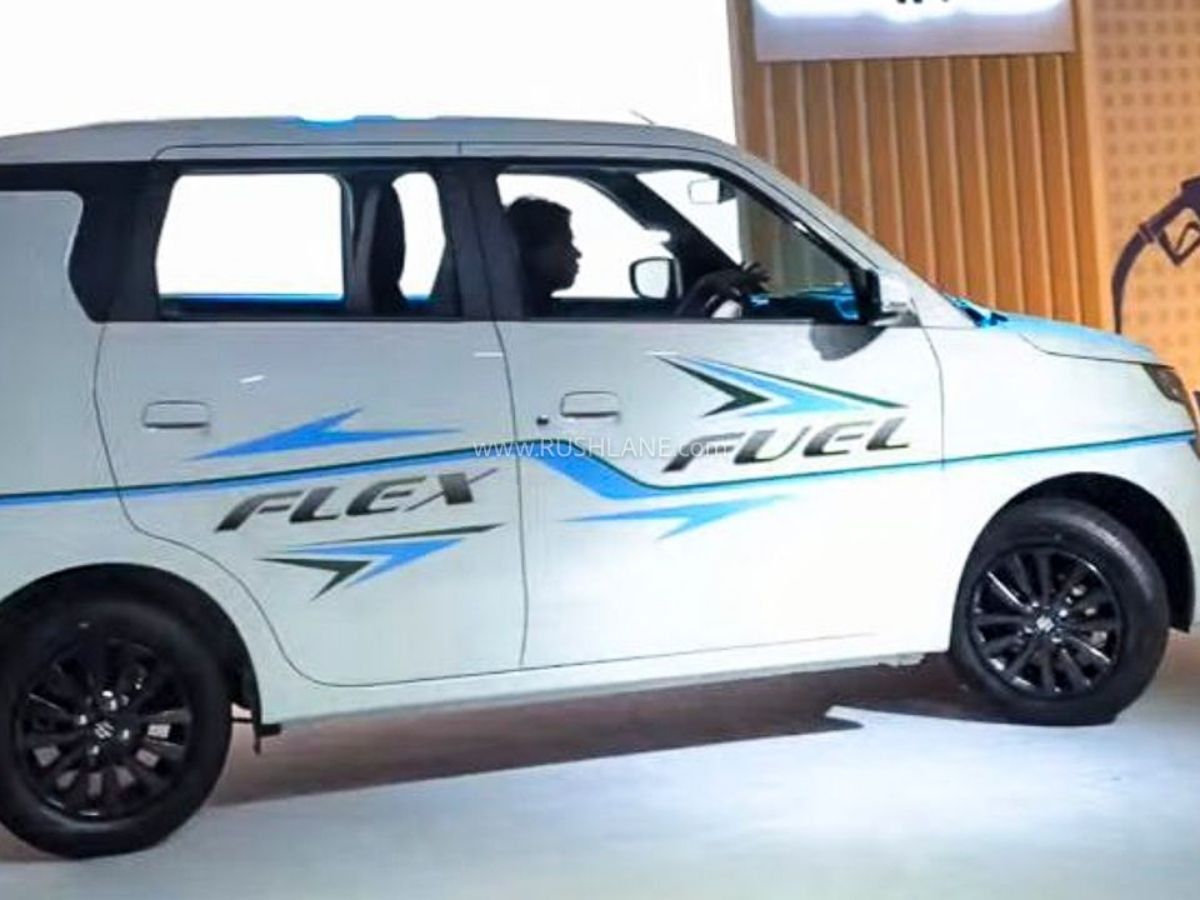
India’s auto industry has been talking about flex-fuel for years. On June 4, 2026, that conversation turned into a reality. Maruti Suzuki unveiled the WagonR Flex Fuel, and with that, the country got its first flex-fuel passenger car from an Indian manufacturer. The timing was deliberate, arriving a day before World Environment Day, and the message was clear: India is serious about running its vehicles on something other than petrol.
While several manufacturers had previously shown flex-fuel prototypes, Maruti Suzuki became the first passenger vehicle manufacturer in the country to formally introduce a flex-fuel vehicle. That is an important distinction. Prototypes at motor shows are one thing. An actual production-ready car unveiled before two Union Ministers is something else entirely.
What Makes the WagonR Flex Fuel Different
The big change in this car is what it can drink. The WagonR Flex Fuel is fully compatible with E85 fuel, which contains up to 85 percent ethanol blended with petrol. Ethanol is a renewable fuel made from agricultural crops like sugarcane and maize.
To make that possible, Maruti had to rework several parts under the hood. The vehicle has modifications to its engine management system, fuel delivery components, and materials used in the fuel system. These changes ensure the car handles ethanol’s different combustion characteristics without losing performance or reliability. In simple terms, the engine had to be made smarter and the fuel system had to be made tougher. Ethanol burns differently from petrol, and the car needs to recognise which fuel blend it is running on and adjust automatically.
The practical benefit for buyers is straightforward. Instead of being locked into petrol, the WagonR Flex Fuel can run on regular petrol, E20, E85, or anything in between. As ethanol pumps become more common across India, the running costs for these cars could drop meaningfully.
A Bigger Shift for India’s Roads
This launch did not happen in isolation. A day before Maruti’s unveiling, Hero MotoCorp launched E85-compatible versions of the Splendor+ and HF Deluxe motorcycles, making June 4 a landmark day for ethanol-based vehicles across both two-wheelers and four-wheelers.
The HF Deluxe Flex Fuel was priced at Rs 72,792 and the Splendor+ Flex Fuel at Rs 82,710, both ex-showroom Delhi. These are India’s most popular bikes getting a green upgrade, which matters far more for mass adoption than any premium product ever could.
The Indian government has been pushing ethanol blending as a way to reduce dependence on imported crude oil and support cleaner mobility, and flex-fuel vehicles directly support that goal. India currently imports over 80 percent of its crude oil needs. Every litre of ethanol that replaces petrol means less foreign exchange leaving the country.
The WagonR was always a car for the masses. Its flex-fuel version could end up being the car that brings affordable, cleaner driving to millions of ordinary Indian families.
Syed Ziyauddin is a media and international relations enthusiast with a strong academic and professional foundation. He holds a Bachelor’s degree in Mass Media from Jamia Millia Islamia and a Master’s in International Relations (West Asia) from the same institution.
He has work with organizations like ANN Media, TV9 Bharatvarsh, NDTV and Centre for Discourse, Fusion, and Analysis (CDFA) his core interest includes Tech, Auto and global affairs.
Tweets @ZiyaIbnHameed





