

In threatening Pakistan with bitter water shortages, India’s adoption of an entirely unprecedented policy of putting the Indus Waters Treaty (IWT) into abeyance magnifies the challenge for Pakistan.
This 1960 agreement, which distributed the three western rivers–Indus, Jhelum, and Chenab–to Pakistan, has served as a unique rock of stability through decades of hostility.
In retaliation for cross–border terrorism, India’s actions altered fundamentally the fragile balance of water-sharing arrangements.
With its position as the upper riparian, India’s leverage over the Indus basin river flows has disproportionately exposed Pakistan’s vulnerability, particularly with respect to its agricultural sector, which is massive and wholly water dependent.
This could again lead to deliberate or accidental sabotage of flow in the rivers, an issue that has evoked significant international attention in view of a possible humanitarian catastrophe and regional instability.
Pakistan’s Agricultural Vulnerability
Pakistan, at the fulcrum of its vulnerability, primarily pivots on the Indus River system. Nearly eighty percent of the irrigated agriculture, which forms the crux of rural economy for Pakistan, is dependent on these waters.
Any significant or ill-timed setback of flow would have instant and calamitous effects on yields, leading into possible food scarcity and economic instability.
Correspondingly, another limitation to Pakistan’s water storage system is that, at the moment, it can only hold water for about thirty days of Indus flow. Hence, it has almost got no buffer against any sudden or prolonged breakages.
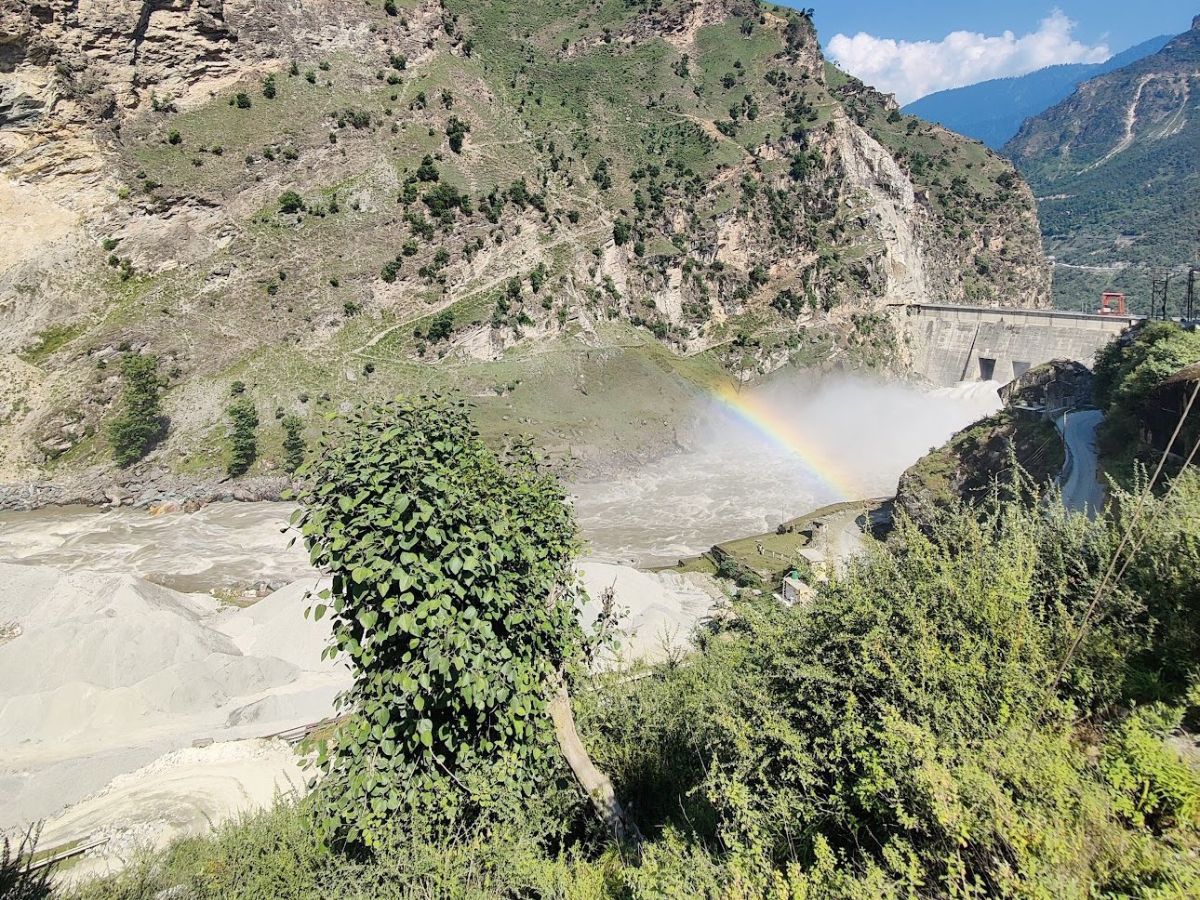
India has ventured on tactical manipulation of the water flows, positioning farming communities precariously by operating its dams in contravention of the treaty, by resorting to, inter-alia, ‘reservoir flushing’ on the Chenab without notice.
Infrastructure and Diplomatic Escalation
While India’s current infrastructure may not enable it to completely stop the influx of the western rivers, the treaty suspension allows India to expedite various project constructions for utilizing its full share of the waters, a process that potentially may take years to realise.
The long-running threat has only been compounded by the immediate diplomatic fallout. The unilateral abrogation of the IWT by India has been seen by Islamabad as an act of hostility and a marked escalation in tensions.
This hydro-political maneuvering nudges the focus away from a relatively stable World Bank-brokered treaty toward a rather dangerous unilateral assertion of national water right.
The prospect of hydro-politics becoming a central battlefield in an already strained relationship between the two nuclear neighbours remains a serious worry for global stability.
A recent media graduate, Bhumi Vashisht is currently making a significant contribution as a committed content writer. She brings new ideas to the media sector and is an expert at creating strategic content and captivating tales, having working in the field from past four months.




