
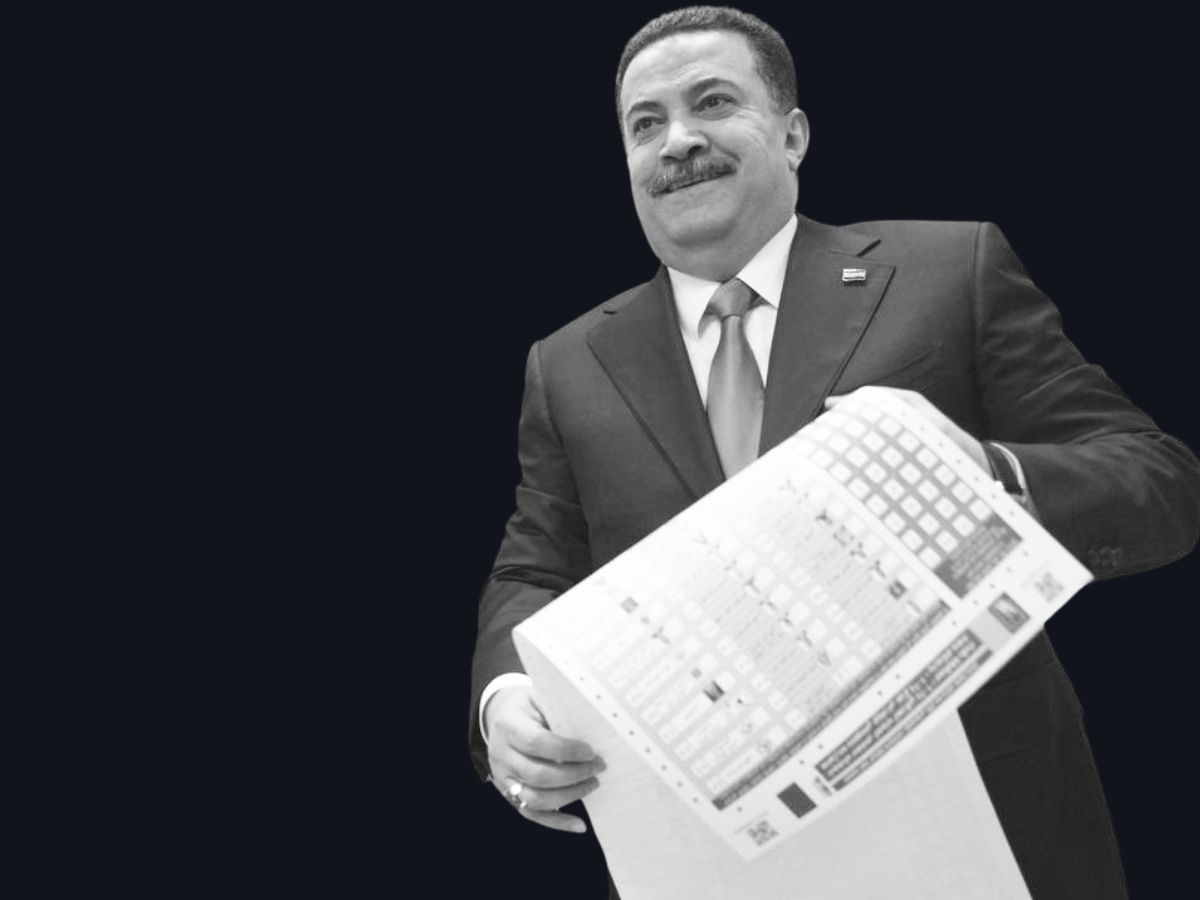

Iraq’s Prime Minister Mohammed Shia al-Sudani claimed victory in the country’s general election on Wednesday after early results placed his “Reconstruction and Development” coalition way ahead. If confirmed, the win will position Sudani for a second term at a critical time for Iraq amid regional tensions and other long-running domestic challenges.
On Wednesday evening, backers of Sudani packed Tahrir Square in Baghdad, lighting off fireworks, playing music, and chanting slogans of support as AFP correspondents reported.
In a televised address, Sudani hailed the outcome as a “victory for all Iraqis.”
“Our coalition, ‘Reconstruction and Development,’ is first,” the prime minister said, expressing “deep gratitude to the Iraqi people for their support” in a post on X. Early Results Show Sudani’s Coalition in Lead
Iraq’s electoral commission said preliminary results put Sudani’s coalition in the lead with over 1.3 million votes- some 370,000 ahead of its nearest competitor. More than 12 million Iraqis out of 21 million eligible voters cast their ballots Tuesday, despite a boycott call from influential Shiite cleric Moqtada Sadr.
While detailed vote counts by province have been released, final seat allocations in Iraq’s 329-member parliament are yet to be confirmed. Sources close to Sudani have told AFP that his alliance is projected to win around 50 seats, making it the largest bloc in parliament.
Talks to Form the Government Likely
Once official results are announced, Iraq’s newly elected lawmakers will start coalition negotiations to appoint the next prime minister – a process that has in the past taken weeks, if not months. Under Iraq’s system of government, the prime minister is always a Shiite Muslim, while the speaker of parliament is Sunni and the largely symbolic presidency is held by a Kurd.
Sudani’s political rise began three years ago with his selection as prime minister by the Coordination Framework, an alliance of powerful pro-Iran Shiite parties. However, reports indicate internal rifts within the group, including some members such as former PM Nuri al-Maliki not ready to back a second term for Sudani.
Challenges Facing Sudani’s Next Term
Despite election triumph, Sudani faces pressing challenges at home as many Iraqis continue to demand better jobs, infrastructure, education, and healthcare in a country plagued by corruption and mismanagement.
Sudani has pledged to press on with his programme of “reconstruction and development”, citing his government’s role in making Baghdad a booming construction site with new tunnels, roads, and bridges.
The difficult balancing act of Iraq’s relations with Iran and the United States, both key but rival influences within the country, also presents itself. This balancing act was being made even more complex by the recent regional conflicts, including the tensions between Iran and Israel.
A Pivotal Moment for Iraq’s Future
Iraq stands at a crossroads as the country marks over two decades since the U.S.-led invasion that saw Saddam Hussein toppled. Though Sudani’s apparent victory reflects voter confidence, many Iraqis remain skeptical. Several citizens who refused to vote told AFP that they viewed the elections as serving political elites, not ordinary Iraqis. Yet Sudani still insists that his government’s focus on stability and growth would continue to “shield Iraq from regional turmoil” and advance the country’s long-term reconstruction goals.
Sofia Babu Chacko is a journalist with over five years of experience reporting on Indian politics, crime, human rights, gender issues, and stories about marginalized communities. She believes journalism plays a crucial role in amplifying unheard voices and bringing attention to issues that truly matter. Sofia has contributed articles to The New Indian Express, Youth Ki Awaaz, and Maktoob Media. She is also a recipient of the 2025 Laadli Media Awards for gender sensitivity. Beyond the newsroom, she is a music enthusiast who enjoys singing. Connect with Sofia on X: https://x.com/SBCism




