

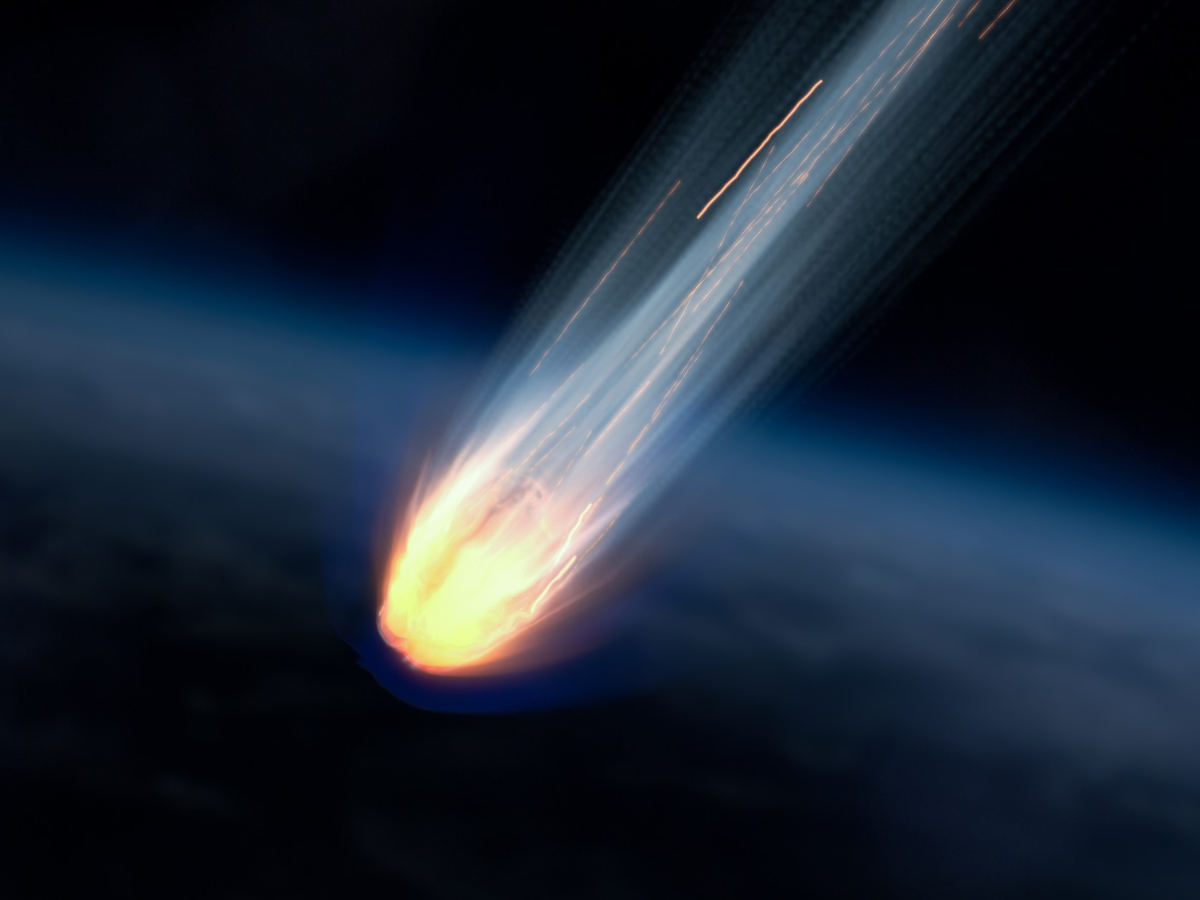
Lyrid Meteor Shower 2026 in Middle East: The Lyrid meteor shower is one of the oldest known celestial events. Its fast, bright meteors occasionally leave shimmering dust trails. Skywatchers all over the Middle East will have a great chance to see this annual event during relatively favorable conditions in 2026. The shower is predicted to reach its peak around April 21–22, with best viewing conditions in many Middle Eastern countries where the skies are generally dry and free from light pollution, except in major cities. From desert landscapes to seaside locations, the Middle East offers several great places to view this natural light show.
What is Lyrid Meteor Shower 2026 ?
The Lyrid meteor shower is one of the oldest celestial phenomena and is caused by debris from Comet Thatcher. When Earth passes through the dust trail, the particles enter the atmosphere and burn up producing bright flashing streaks of light. The shower takes its name from the constellation Lyra, from where the meteors appear to be radiating. However, it is not necessary to look at Lyra as meteors can appear anywhere in the sky. The Lyrids are a popular meteor shower because of their occasional bright flashes and surprise appearances, making them an exciting event for skywatchers every year.
When and Where to Watch Meteor Shower 2026? Best Time to Watch
The best time to watch the Lyrids in 2026 will be late at night, after midnight until dawn. This is because the radiant point in the Lyra constellation rises higher in the sky and becomes easier to see. Peak activity is predicted to occur in the early hours of April 22, with up to 10–20 meteors per hour in dark skies. To maximize your viewing experience, avoid city lights and allow your eyes to adjust to the dark for at least 20 minutes.
Dubai and Across United Arab Emirates
While there is quite a lot of light pollution in Dubai and Abu Dhabi, there are lovely dark desert places nearby, such as Al Qudra or Liwa Desert. These places are very popular for stargazing and have massive clear horizons.
Saudi Arabia
A few hours out of Riyadh, you can drive to the desert where there is going to be some of the darkest skies in the country. Areas near the Empty Quarter (Rub’ al Khali) are my personal favourite. Jeddahers can head inland to escape the coastal humidity.
Oman
Muscat is located beside some beautiful landscapes. Head towards Wahiba Sands or the Hajar Mountains for some of the darkest nights in the region.
Qatar
Doha is light polluted, but a few minutes north or inland will already greatly improve the situation. Desert camping sites are perfect for uninterrupted meteor watching.
Bahrain
Manama is small, so there are not a lot of dark places within the nation’s borders. Coastal outskirts or less populated areas can be used, especially if you can avoid the peak hours. Kuwait Kuwait City residents should head south or west into the desert for the best nights. Open desert areas are perfect.
Jordan
Amman observers should head to Wadi Rum for one of the best viewing places available in the Middle East. Its protected desert environment offers excellent darkness.
Israel
Light pollution is an issue in Jerusalem and Tel Aviv, but the Negev Desert is perfect for meteor watching.
Iraq
Baghdad is light polluted, but you can considerably improve your visibility outside city limits. Rural areas and deserts are the best options.
Iran
Tehran residents should travel toward mountainous or desert regions like Dasht-e Kavir for clearer skies. Iran’s varied terrain offers many excellent stargazing spots.
Tips For Better Experience
Find a dark spot far from city lights
Lie down with your back to the sky for a more expansive view
Don’t stare at bright screens to preserve night vision
Bring a jacket because desert nights can be cold Plan to be patient as meteor rates can fluctuate Conclusion
After a brief half moon, the Lyrid meteor shower in 2026 is sure to offer a beautiful night sky for stargazers in the Middle East. With the region’s expansive deserts and mostly clear skies, night time skies should be near-perfect for stargazers across the region. Whether you’re in a city or on a desert camp, make sure to go outside and look up; you may be rewarded with a glorious display of shooting stars.
I am a seasoned writer with 2.5 years of experience who presently works at ITV Digital. I specializes in entertainment journalism, reporting on the newest Bollywood news as well as compelling healthy lifestyle pieces. I am master at creating material around popular issues and internet buzz, bringing unique, reader-friendly viewpoints to every item i write





