
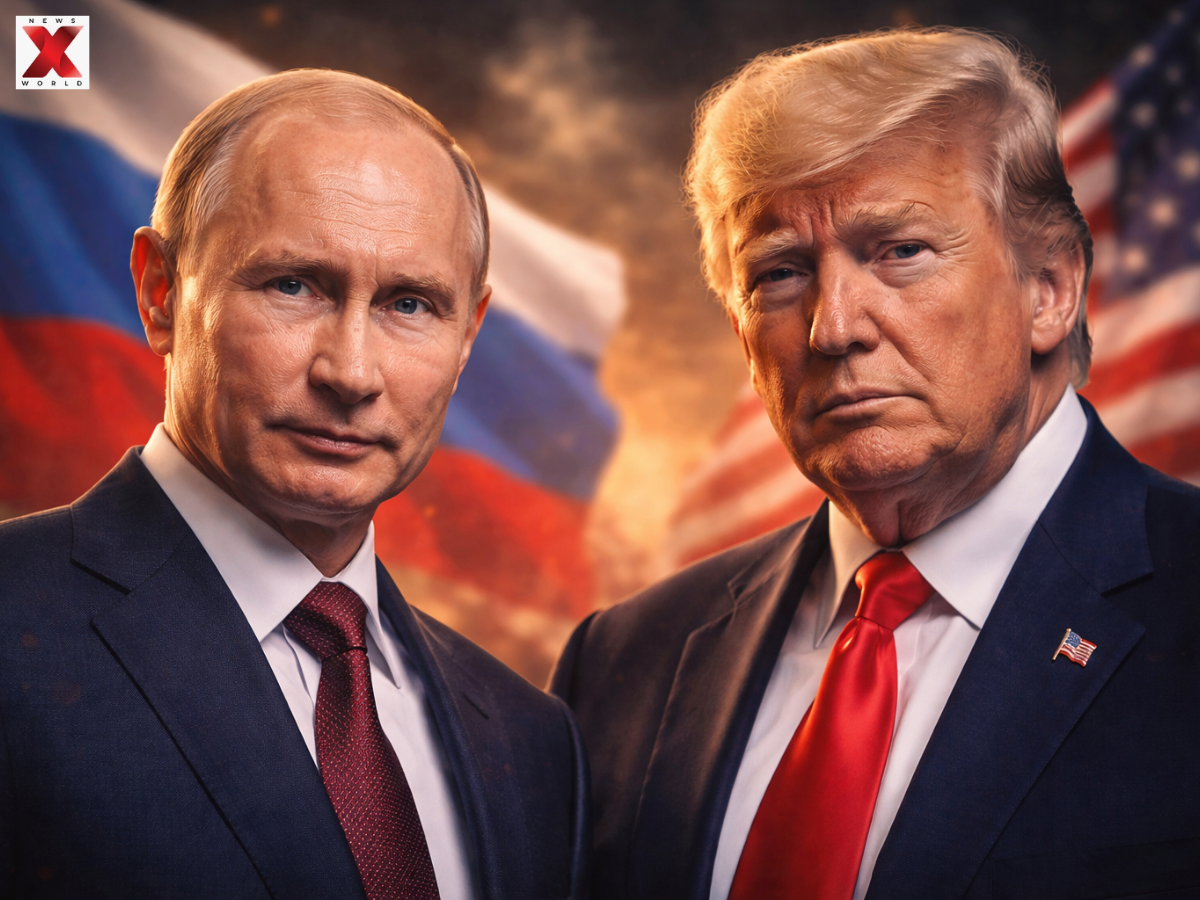

Russia has been helping Iran by sharing intelligence on where US military assets are in the Middle East, according to The Washington Post, which got the details from US officials who know what’s going on.
Since the US and Israel started their attack on Iran last Saturday, these officials say Russia has passed along locations of US warships and aircraft to Iran. One of them described Russia’s efforts as “pretty comprehensive,” though it’s not totally clear just how accurate or up-to-date all this information really is.
Russia and Iran have had close ties for a long time, and at the start of 2025, they signed a big strategic partnership to strengthen their military and defence cooperation even more.
This week, US Defence Secretary Pete Hegseth downplayed Russia’s role, saying they weren’t really a factor in the fighting with Iran. But privately, some US officials worry that Russian intelligence could be behind the accuracy of recent Iranian strikes. Since the conflict began, Iran has fired thousands of one-way drones and hundreds of missiles at US military positions, embassies, and other sites around the region. Some of these attacks have been deadly—like the one on Sunday that killed six US troops in Kuwait and wounded several more.
Experts have noticed that Iran’s attacks seem unusually precise. Dara Massicot, a Russian military specialist, pointed out how Iran is now hitting critical infrastructure, like radar systems, with impressive accuracy. She said, “They’re picking off radars and command centres in a very targeted way. These aren’t random strikes.”
Russia’s advanced satellite capabilities might be playing a big role here. Iran doesn’t have many military-grade satellites of its own, so getting targeting help from Moscow could make a real difference. Plus, Russia’s gotten better at intelligence and targeting during its war in Ukraine, so it knows how to help Iran fine-tune its strikes.
Nicole Grajewski, who studies Russian-Iranian cooperation at Harvard, said Iran’s recent attacks show a new level of sophistication. She pointed out how Iranian strikes are now overwhelming some US and allied defenses, which is a big shift.
The White House and Pentagon haven’t said much about the reported intelligence sharing. White House spokeswoman Anna Kelly didn’t comment directly, but she insisted the US campaign is wearing Iran down. “The Iranian regime is being absolutely crushed,” she said, pointing to Iran’s shrinking missile stockpiles and weakened navy.
When asked about Russia and China’s involvement, Hegseth waved it off, calling them “not really a factor.” US officials say China doesn’t seem to be helping Iran this time around, even though the two countries are close.
Russia, for its part, is publicly calling for an end to the conflict and describing it as unprovoked aggression by the US and Israel. The Russian embassy in Washington didn’t respond to requests for comment.
This whole situation reflects how relationships among US adversaries are shifting. In Ukraine, Iran, China, and North Korea have all helped Russia in different ways—while the US has armed Ukraine and shared intelligence to help target Russian forces. Now, it seems like Russia is returning the favor by helping Iran go after US assets.
One US official summed it up: “The Russians know we’ve been giving Ukraine intelligence. I think they’re glad to get some payback.”
Still, most analysts doubt Russia will get directly involved in the fighting. Moscow is already deeply tied up in the war in Ukraine and probably doesn’t want to stretch itself any thinner.




