

The United Nations Office for the Coordination of Humanitarian Affairs (OCHA) has said that millions in Afghanistan are vulnerable to hunger, poverty, and displacement due to a massive drop in funding, worsening the humanitarian situation in the country.
In its report, the United Nations body said that for the 2024 fiscal year, only 53% of the USD 3.06 billion required for the humanitarian response plan has been secured, leaving a gap of approximately 1.43 billion.
The agency urged the international community to step up its support and warned that humanitarian efforts could collapse without swift intervention. The OCHA appeal comes amid growing distress underground.
Joblessness At An All-Time High In Afghanistan
A young man in Kabul, Hussain Agha Hadri, described how a lack of employment has forced him to shine shoes for the past four years. “We tried hard to find a job. We knocked on many doors, and nothing worked out. We had no choice but to become cobblers.”
“We earned 100 to 150 Afghanis a day, just enough to bring bread home in the evening,” Hadri said. He added that he has not received any aid from any organization and called on officials to help him secure permanent work.
According to OCHA, approximately 14.9 million people in Afghanistan, about 67% of recipients, have received food assistance, and 41% have received aid across multiple sectors.
The agency emphasized that without adequate funding, it would be unable to continue its operations at the necessary scale.
Afghan Migrants Worsen Situation
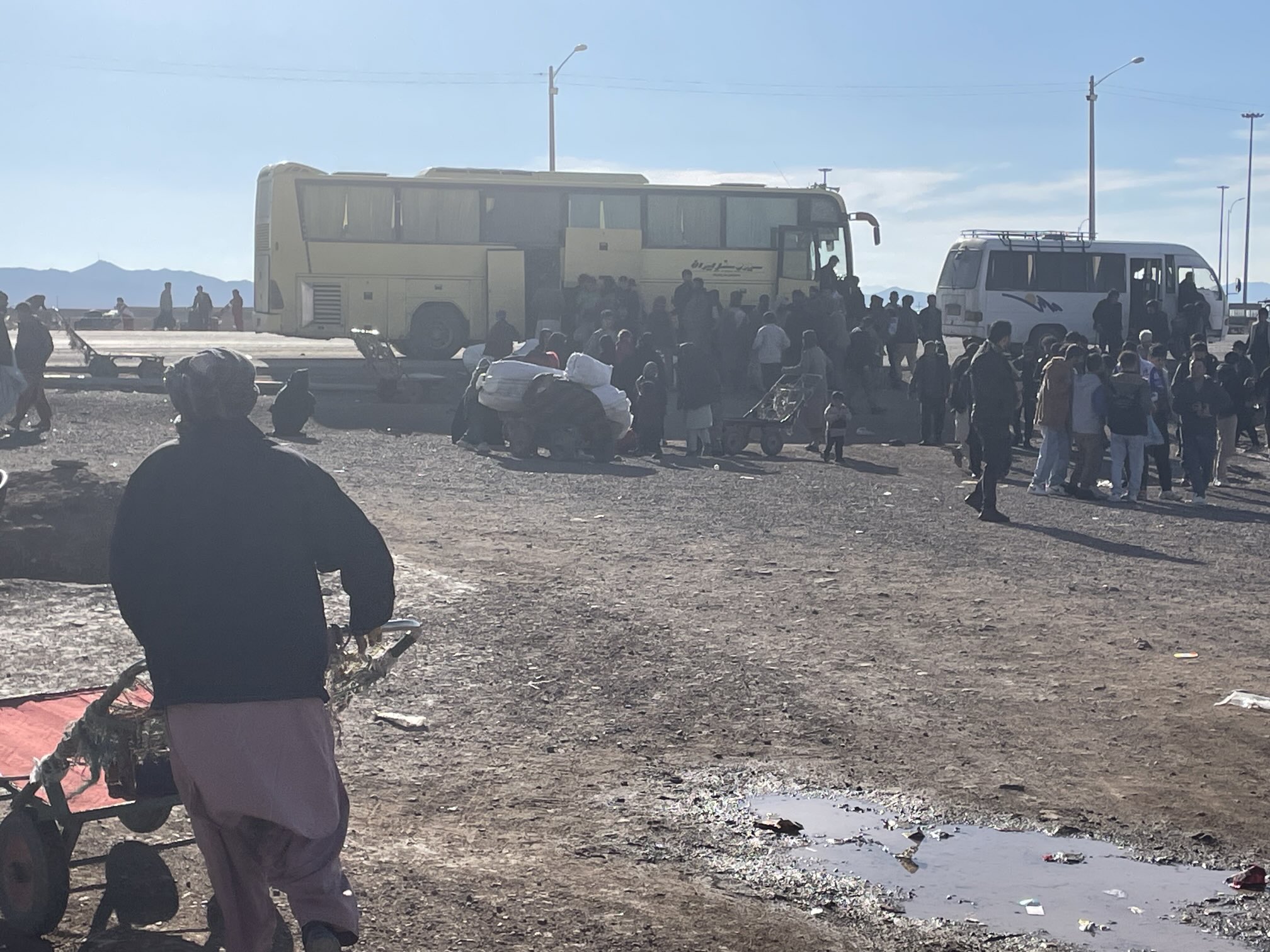
The Ministry of Economy has echoed these concerns, especially in light of the mass return of Afghan refugees from neighboring countries.
The OCHA report is being released at a time when Afghanistan is facing a large wave of returnees. We urge international organizations to accelerate and prioritize their assistance more than ever before, said Abdul Latif Nazri, defense minister of economy.
Meanwhile, experts have raised concerns about the long-term impact of humanitarian need without sustainable development investment.
These are short-term aid efforts aimed at immediate relief. As we have mentioned before, to truthfully eliminate poverty in Afghanistan’s resistance, we must invest strategically in agriculture, infrastructure, and long-term development programs, said Mohammad Asif Stanekzai.
OCHA has reiterated its call for international action to fill the funding gap, cautioning that the lack of resources could lead to a significant deterioration in humanitarian conditions across Afghanistan.
(Inputs From ANI)
Also Read: EU Presses Israel For Details on New Gaza Aid Agreement, Seeks Proof of Progress




