
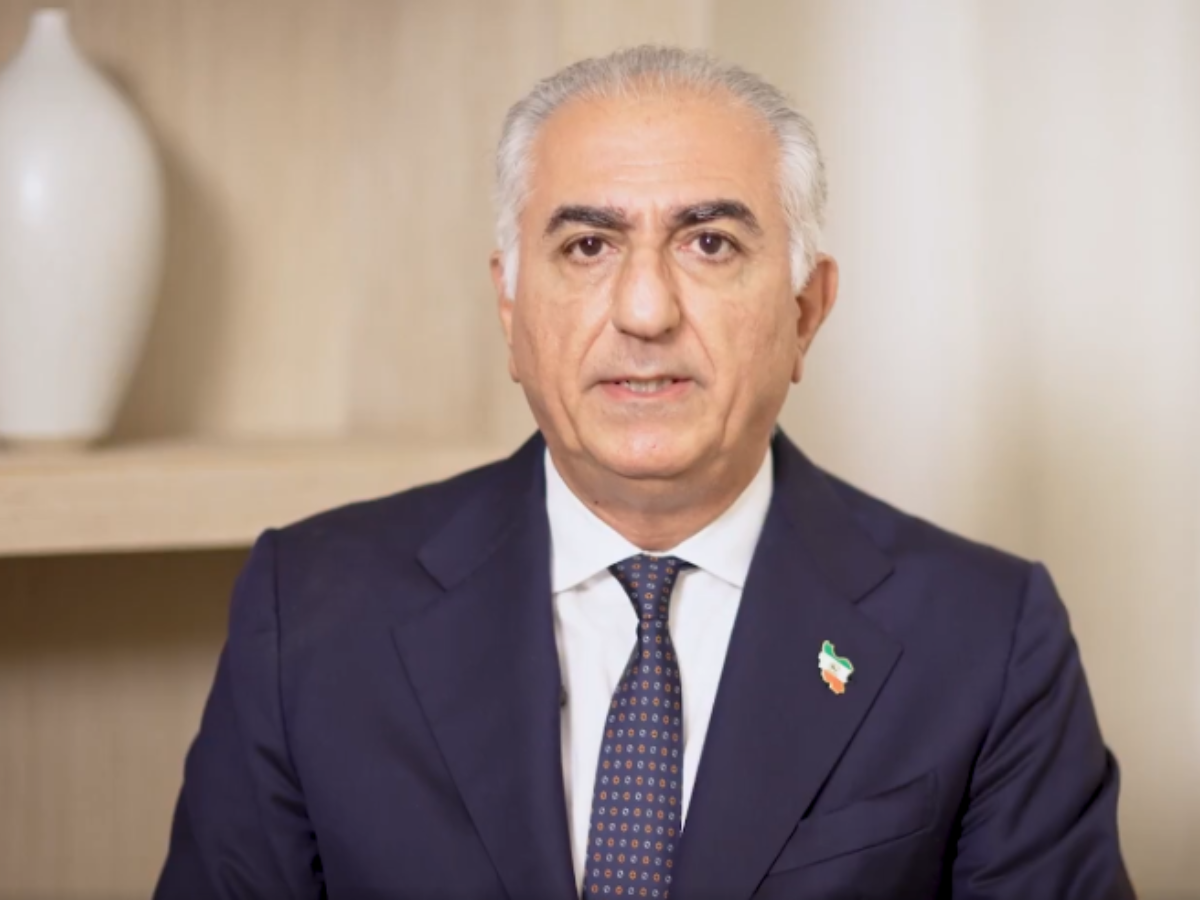

Iran is facing a fresh new wave of protests, and this time, Reza Pahlavi, the exiled Crown Prince of Iran, is the central figure. He called for mass demonstrations against the rule of Supreme Leader Ayatollah Ali Khamenei. Reza Pahlavi’s call came amid widespread economic hardship, soaring inflation, and rising discontent with the Islamic Republic’s leadership. The Islamic regime is facing one of its most intense challenges in years. In response, the regime has imposed a nationwide internet and communication blackout.
Reza Pahlavi was born in Tehran in 1960. He was officially designated crown prince in 1967 as the eldest son of the last Shah of Iran. However, his life changed drastically with the 1979 Islamic Revolution, which forced his family into exile. After his father was overthrown, Pahlavi left Iran and spent most of his adult life overseas, largely in the Washington, DC area, where he has advocated for regime change and a transition to a more secular political system.
After his father’s death from cancer in Egypt in 1980, Pahlavi declared himself the new Shah in a ceremony held in Cairo. He started his studies at Williams College but relocated to Morocco after his father passed away. He graduated from the University of Southern California in political science via a correspondence program in 1985. He met his wife, Yasmine Etemad-Amini, in Washington, D.C. The married in 1986 and settled in northern Virginia. The couple shares three daughters.
Reza Pahlavi’s Role in protests
Even though Reza Pahlavi has spent decades in exile, historically speaking, he has not had much of an influence inside Iran. Several analysts have debated whether his symbolic status as Prince gives him enough support among Iranians, especially amongst the younger generations who did not see or live under the Shah’s rule at all. However, given the intensity of recent protests and the outpouring of public anger, they have created a rare opportunity to test that influence.
On Thursday evening, residents acted on his call for nationwide protests at 8:00 p.m. local time, across Tehran and other cities, and they joined in a vocal protest. According to reports, the crowds shouted anti-government slogans such as “Death to the dictator!” and “Death to the Islamic Republic!”, as well as pro-monarchy chants like “Pahlavi will return!”.
Pahlavi made a statement on X that condemned the government’s shutdown of the internet. He said that “Iranians demanded their freedom tonight. In response, the regime in Iran has cut all lines of communication. It has shut down the Internet. It has cut landlines. It may even attempt to jam satellite signals.”
امشب میلیونها ایرانی برای آزادی خود به پا خاستند. پاسخ رژیم ایران قطع کامل راههای ارتباطی بوده است: اینترنت را قطع کرده، تلفنهای ثابت را از کار انداخته و حتی ممکن است تلاش کند سیگنالهای ماهوارهای را نیز مختل کند.
از پرزیدنت ترامپ، بهعنوان رهبر جهان آزاد، برای تأکید دوباره… https://t.co/KUT0ZRmrlz
— Reza Pahlavi (@PahlaviReza) January 9, 2026
Reza Pahlavi calls for support from global leaders
He also appealed directly to the international community, urging support and pressure on Tehran: “I want to thank the leader of the free world, President Trump, for reiterating his promise to hold the regime to account. It is time for others, including European leaders, to follow his lead, break their silence, and act more decisively in support of the people of Iran.”
Calling for global action to restore communications, he added: “I call on them to use all technical, financial, and diplomatic resources available to restore communication to the Iranian people so that their voice and their will can be heard and seen. Do not let the voices of my courageous compatriots be silenced.”
Reza Pahlavi has been trying to gather public support via these protests, however, his ties to US and the perception of support from Israel could be a major challenge for him to gather any form of sympathy from the majority of Iranians.




