
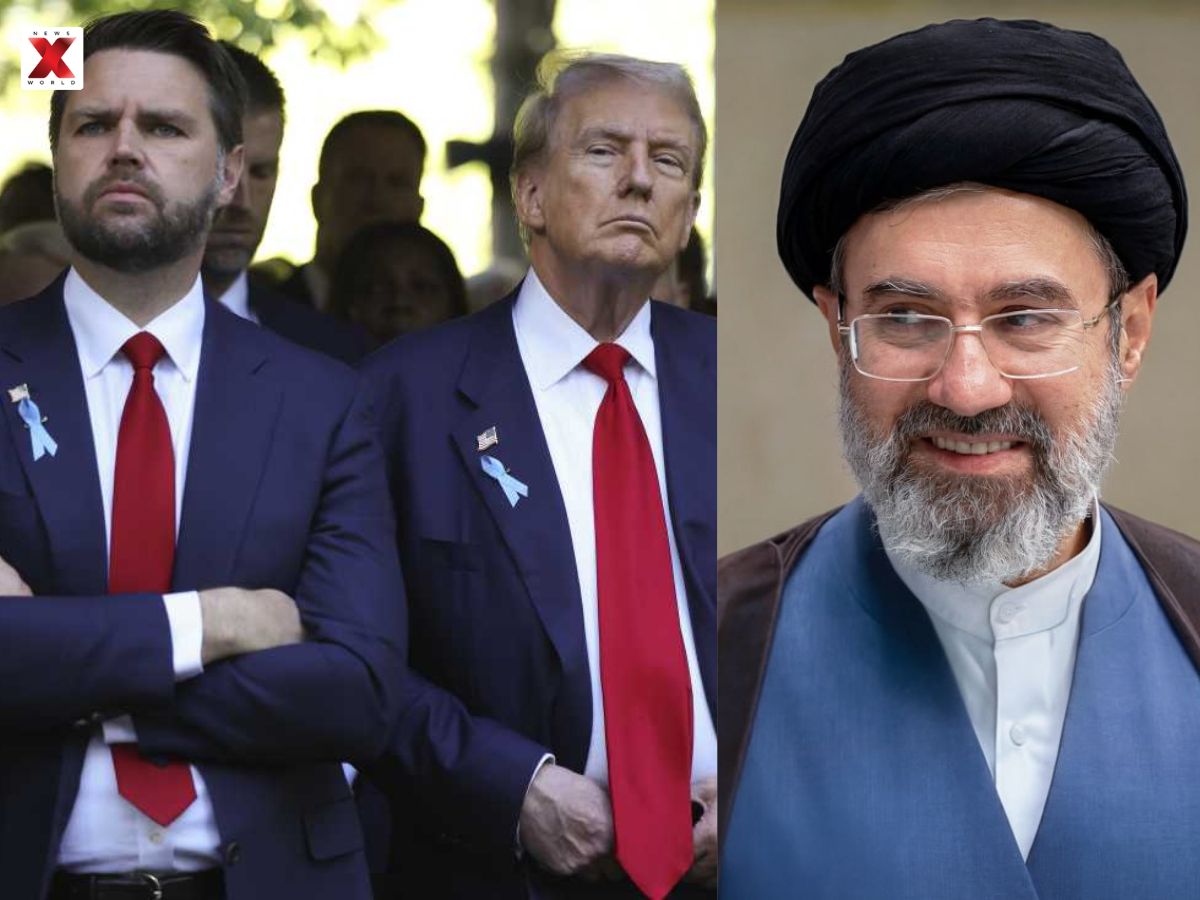

Iran has reportedly conveyed to the Donald Trump administration that it is unwilling to engage in talks with West Asia envoy Steve Witkoff or the president’s son-in-law, Jared Kushner. Instead, Tehran is said to prefer negotiating with Vice President JD Vance, according to reports.
This comes as the US president is believed to have sent a 15-point ceasefire proposal to Iran through intermediaries in Pakistan, which has offered to facilitate discussions between the two sides.
Why Does Iran Prefer JD Vance Over Trump, Kushner, and Witkoff for Talks?
Tehran is said to favour negotiations with JD Vance over Steve Witkoff and Jared Kushner due to trust concerns following the breakdown of earlier talks before US and Israeli strikes on Iran, according to CNN, citing regional sources.
Compared to Witkoff, Kushner, and even US Secretary of State Marco Rubio, Vance is viewed by Iran as more willing to push for an end to the conflict. One source noted that there is a perception that Vance would focus on bringing the situation to a close. However, sources also cautioned that resolving the conflict would be complex, making such negotiations challenging.
Despite this preference, Witkoff continues to play a key role from the US side, and Iran may ultimately have to engage with whichever representative the Trump administration appoints. As one source put it, while Tehran may have its preferences, it will still have to deal with whoever is sent.
Who Will Negotiate Now?
Speaking at the White House on Tuesday, the president said that the United States is currently engaged in negotiations, noting that Steve Witkoff and Jared Kushner are involved in the talks alongside Marco Rubio and JD Vance.
“We have a number of people doing it,” Trump said. “And the other side, I can tell you, they’d like to make a deal.”
What 15-Point Plan Did Trump Send to Iran?
The New York Times reported on Tuesday that Washington sent Iran a 15-point plan to end the war in the Middle East. Israel’s Channel 12, quoting three sources, said the U.S. was seeking a month-long ceasefire to discuss the 15-point plan.
A source familiar with the matter confirmed that the U.S. had sent a plan to Iran but provided no further details.
The Israeli media outlet said the plan would include the dismantling of Iran’s nuclear programme, ceasing support for proxy groups, such as Lebanon’s Hezbollah, and the reopening of the Strait of Hormuz.
The U.S. and Israel launched strikes on Iran on February 28 after saying they had failed to make enough headway in talks aimed at ending Iran’s nuclear programme, although mediator Oman said significant progress had been made. The U.S. struck Iran’s nuclear facilities in June 2025.
Since the start of “Operation Epic Fury” by the U.S. in February, Iran has attacked countries that host U.S. bases, struck Gulf energy infrastructure and effectively closed the Strait of Hormuz, conduit for a fifth of the world’s oil and liquefied natural gas.
Iran has told the United Nations Security Council and the International Maritime Organization that “non-hostile vessels” may transit the Strait of Hormuz if they coordinate with Iranian authorities, according to a note seen by Reuters on Tuesday.
The effective closure of the waterway, where 20% of the world’s oil and gas normally transits, has created the worst energy supply shock in history, sent fuel prices soaring, and disrupted global aviation.
Asia is at the frontline of the fuel crisis, buying more than 80% of the crude that transits the Strait of Hormuz, and governments there are scrambling to respond to fuel shortages with policies such as enforced work-from-home and stimulus measures enforced during the COVID pandemic era. Some countries have declared public holidays and closed schools.
The International Energy Agency has agreed to a record release of around 400 million barrels of oil from strategic stockpiles to deal with the crisis, and Japanese Prime Minister Sanae Takaichi asked IEA chief Fatih Birol for an additional release of oil when they met on Wednesday, Jiji Press reported.
Inputs from Reuters
Manisha Chauhan is a passionate journalist with 3 years of experience in the media industry, covering everything from trending entertainment buzz and celebrity spotlights to thought-provoking book reviews and practical health tips. Known for blending fresh perspectives with reader-friendly writing, she creates content that informs, entertains, and inspires. When she’s not chasing the next viral story, you’ll find her diving into a good book or exploring new wellness trends.




