

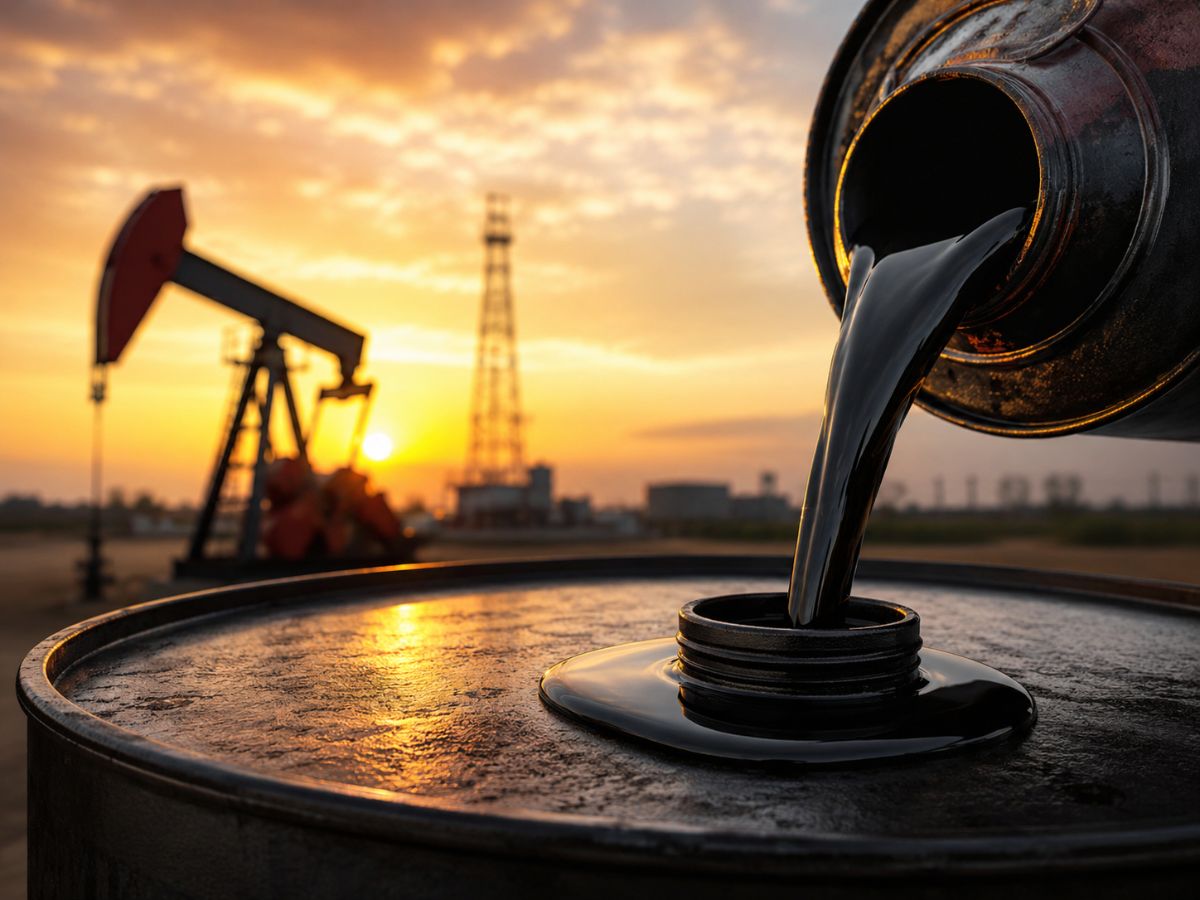
Global crude oil prices are rising again, worrying investors, policymakers, and households alike. As of 8:14 PM IST on Wednesday, the US benchmark WTI crude traded up 2% at $90.20 a barrel in the evening, while the international benchmark, Brent crude, closely watched by India, rose 1.65% to $92.96 a barrel amid West Asia crisis. For a country like India, which imports more than 85 per cent of its crude oil needs, rising oil prices are more than a global market story. They can impact inflation, fuel prices, the rupee, interest rates, and even the stock market performance. Here’s what investors and consumers should be watching for as crude oil begins to move higher.
Why should India be worried about the rise in crude oil prices?
India meets a large chunk of its energy requirements by importing crude oil. When the oil prices are high globally, the import bill of the country goes up, and India has to shell out more dollars for its energy buys.
The strain on government finances, increase in trade deficit and decline in the rupee could be one of the negative factors. A weaker rupee further increases the import price.
In layman’s terms, when crude oil gets expensive, the reverberations tend to go far beyond petrol pumps.
Impact of higher oil prices on the common Indian
The most obvious impact of rising crude oil prices is on fuel costs. Crude prices often bear the brunt when petrol, diesel, and LPG prices surge.
But that’s not the end of the effects.
With fuel prices higher, it costs more to move goods around the country. This, in turn, can increase the price of food, consumer goods, and other essentials. The increases in energy and transport costs for industries also cause increases in manufacturing costs.
Households may face a higher cost of living and lower purchasing power.
What rising crude means for inflation and RBI policy
Crude oil is one of the biggest inflation drivers in India.
When energy prices rise, businesses typically try to pass some of the costs on to consumers. That’s what economists refer to as “cost-push inflation.”
If these high inflation rates persist for a longer period, then the Reserve Bank of India (RBI) will need to keep interest rates higher for a longer period or any possible cuts will be pushed back further. Higher interest rates mean higher costs for mortgages, car loans, and business loans, and that could slow down economic activity.
Why the stock market reacts to oil price surges
The stock market investors closely watch the price of crude oil because crude prices have a direct correlation with a company’s profits and the country’s economic growth. The reasons for this close eye on crude price rise are:
- The cost of operations goes up for companies.
- Company margins get squeezed.
- Inflation fears will start building up.
- FII’s would get jitters.
- Economic growth will take a hit.
These can cause some kind of tremors in benchmark indexes such as the Sensex and Nifty.
Historically, large increases in crude oil prices have unsettled market players, especially when they are driven by geopolitical uncertainties or supply shocks.
Which stock market sectors are likely to be affected?
Aviation
Airlines are one of the largest consumers of fuel; the cost of aviation turbine fuel (ATF) increases, putting downward pressure on margins.
Automobile Industry
Higher fuel prices may have an adverse effect on the purchase of automobiles; they tend to increase production as well as transportation costs for automakers.
Chemicals and Paints
Paint and chemical companies use many raw materials that come from crude oil. Higher input costs will impact margins.
Logistics and Transport
Shipping and logistics firms would see their fuel costs rise and may see a hit on margins if not able to pass costs onto the client.
FMCG Companies
Typically during high crude prices, consumer goods firms experience an increase in costs of packaging, transport and distribution.
Which industries would gain?
When crude oil prices go up, not all companies lose.
Upstream Oil Producers
Oil exploration and production companies typically benefit from higher crude prices, as they can sell their output at improved realisations.
Energy Companies
The high prices for oil globally, if sustained, may be beneficial to the revenues of the businesses involved in the production and export of this commodity.
Oil Marketing Companies (OMCs)
The impact on oil marketing companies is uncertain. Their profits depend on whether they can pass on all the increases in fuel prices to consumers or have to absorb them themselves.
What happens to foreign investment?
It can also make the investor nervous about emerging markets, which are dependent on importing oil. With crude prices climbing sharply, the foreign institutional investors (FIIs) will review the portfolio based on fear of inflation, currency depreciation, slower growth, etc.
This can lead to greater volatility in the markets and periodic outflows from Indian equities.
Why oil futures matter for stock markets in India
Oil futures often price in future risks and therefore discount actual supply disruptions.
Even the mere threat of geopolitical tensions, sanctions, or supply cuts can push oil futures higher. This creates a “risk premium” on crude prices that weighs on investor sentiment around the world.
Therefore, Indian markets generally respond to expectations of future oil availability rather than to current demand and supply.
Is this a short-term phenomenon or a long-term threat?
The answer depends on how long oil prices stay high.
While such periods of activity often translate into periods of transient market volatility, sustained crude prices above current levels for several months can take their toll on inflation, growth, corporate earnings.
India has, over the years, reduced some of its vulnerability by building up strategic oil reserves, diversifying its energy sources, and increasing investments in renewable energy. But one of the most important variables for the Indian economy continues to be crude oil.
What should the investor watch out for now?
The following are the ones that investors should keep track of:
- Brent crude prices
- Rupee-dollar exchange rate
- Inflation figures
- RBI announcements
- Foreign investment flows
- Geopolitical developments in major oil-producing economies
Oil prices continuing to rally could cause sustained volatility in the markets, and decreased geopolitical concerns could see oil and equities stabilize.
Why crude oil continues to be India’s biggest economic risk
Higher crude oil prices are not only an energy story; they are an economic story. Higher crude prices may be expected to influence inflation, interest rates, corporate profits, and the mood of the stock markets, especially so in the Indian economy, which is a nation dependent on imports for crude. Oil producers are expected to benefit, while energy- and transportation-sensitive industries may see margin pressure. The biggest worry for ordinary citizens is still the impact on fuel bills and the overall cost of living.
And Brent crude is again nudging up towards the $100 a barrel mark, so investors and consumers will be watching the next move in global energy markets very closely.
Priyanka Roshan is a business writer and assistant editor at the NewsX website who tracks everything from stock market swings and corporate earnings to personal finance trends and policy shifts. Known for turning fast-moving business developments into sharp, reader-friendly stories, she combines speed, accuracy, and a data-driven approach to break down complex financial news for everyday audiences.
With over 9.5 years of newsroom experience, Priyanka has worked with leading media organisations, including Moneycontrol, Times Now, and Ping Digital, covering diverse beats such as business, politics, technology, auto, travel, sports, and the world. From live breaking news desks to SEO-led digital storytelling, she specialises in creating engaging content that keeps readers informed without overwhelming them.





