
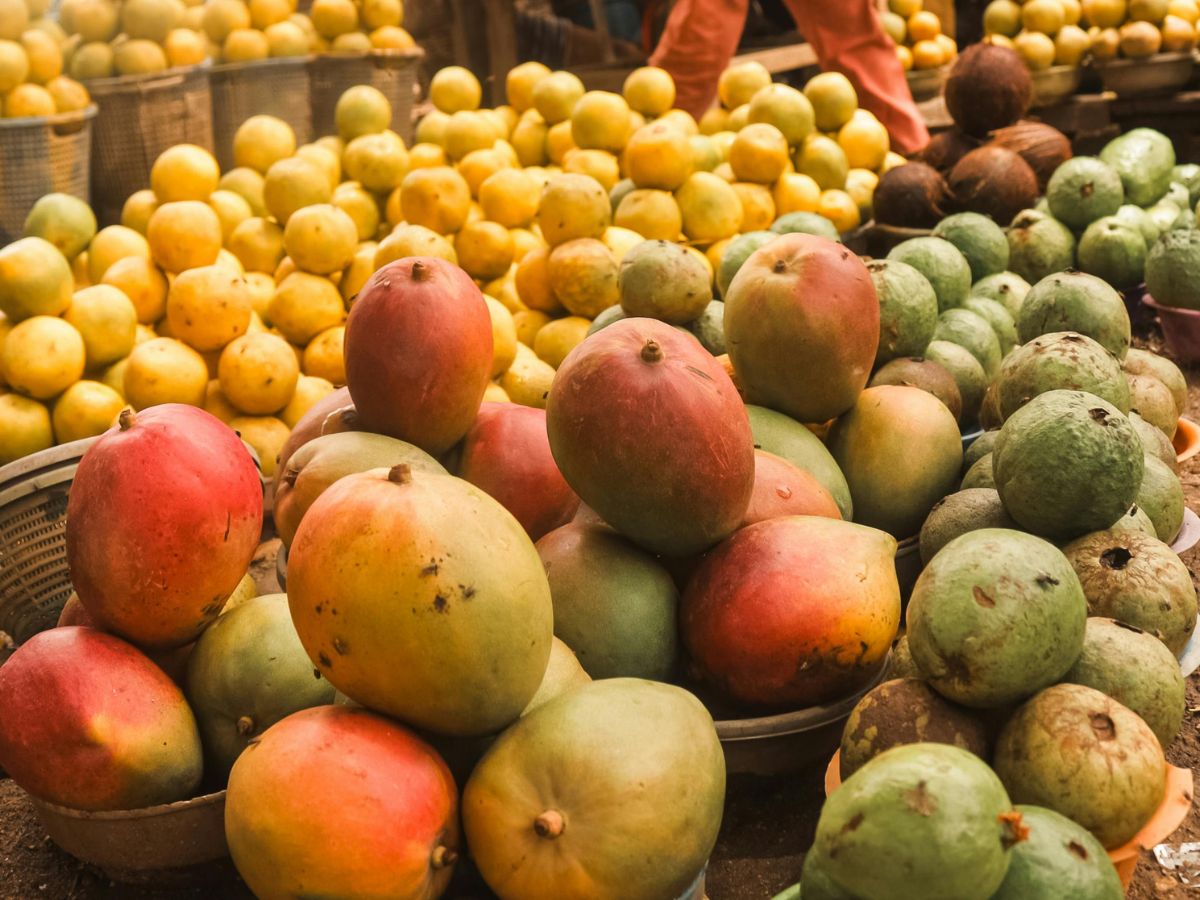
Japan has stopped the import of fresh Indian mangoes, citing fumigation and disinfection procedures in the treatment facilities in India, a major setback to India’s mango trade with Japan. The suspension affects some of the premium varieties of mangoes of India, like Alphonso, Kesar, Langra and Banganapalli, which are in good demand among the Japanese consumers.
It’s a decision that comes nearly 20 years after Japan lifted a previous ban on Indian mangoes in 2006. At the time, India had been trying for years to prove its mango exports were safe and free from any risk of pests, especially fruit flies. The latest suspension has once again put India’s export compliance systems under the scanner.
Why India Banned Japanese Mango Imports
Japan’s phytosanitary system is the strictest in the world. The country has a zero-tolerance approach to invasive pests and contamination risks that may cause harm to our domestic agriculture.
Japanese quarantine officers had inspected vapour heat treatment (VHT) facilities in India in March 2006 and detected deficiencies in disinfection and fumigation procedures (reports). Facilities are required to guarantee pest-free mangoes are shipped from India to Japan and comply with the requirements.
Japan’s Yokohama Plant Protection Association reportedly told importers after the inspection that it would not accept shipments with Indian inspection certificates dated on or after March 25, 2026.
The suspension will remain in place until Japanese authorities are satisfied operational standards at Indian facilities have been improved.
What is Vapour Heat Treatment (VHT)?
Vapour heat treatment is a quarantine process prior to mango export. The process exposes mangoes to hot and humid air in a controlled environment that kills pests such as fruit flies without using chemicals.
Every year, prior to the mango export season, Japan’s inspectors visit India to supervise and verify the treatment process. Tokyo, after this year’s inspection, found lapses in operations and temporarily suspended imports.
Which Mango Varieties Does The Suspension Affect?
The suspension applies to several popular Indian mango varieties exported to Japan, including Alphonso, Kesar, Langra and Banganapalli.
Among them, Gujarat’s Kesar mango had emerged as one of the largest contributors to India’s mango exports to Japan during the 2025-26 season, Moneycontrol reported.
Although the total export value is relatively small in the bigger picture of trade, Japanese markets are seen as premium destinations where exporters make considerably higher margins than they do on domestic sales.
Why Is This Ban Important?
This is the second major restriction Japan has imposed on Indian mangoes.
Japan had imposed restrictions first in 1986 out of fear of fruit fly infestations. It was lifted in 2006 after extensive scientific studies, pest surveys and compliance measures by India. The ban was in place for nearly 20 years.
By then, India had upgraded its treatment infrastructure and had installed vapour heat treatment systems to meet Japanese quarantine standards. The opening of the Japanese market in 2006 was a major breakthrough for Indian agricultural exports in terms of diplomacy and trade.
Now, two decades later, the trade relationship is facing quarantine problems again – this time over procedural and operational lapses.
What Will Be The Impact On The Indian Farmers And Exporters?
The impact on the Indian economy at the macro level will not be that significant, as the share of the Japanese market in total Indian mango exports is small. India’s biggest export markets are still the UAE, the US, the UK, Qatar, Saudi Arabia and some more Gulf countries.
But the consequences for exporters and growers involved in premium mango exports could be dire.
Exporters find Japan a high-value market and get better pricing for premium Indian mangoes. The suspension could result in shipment losses, cancellation of orders and financial pressure during the peak export season.
Maharashtra’s Alphonso farmers are already facing lower output due to heatwaves and extreme weather events caused by El Niño and could take more strain.
Government-backed surveys have estimated crop losses of between 85 and 90% for the mango crop in some areas this season.
Can India Solve The Problem Quickly?
Indian authorities and exporters are expected to meet Japanese regulators to address the concerns and revive trade.
Experts say India may now have to tighten up its export compliance systems significantly to regain Japan’s confidence. This could translate into more stringent monitoring of treatment facilities, better documentation and traceability processes, stricter pest-control compliance measures and tighter supervision during fumigation and vapour heat treatment procedures before mangoes are cleared for export.
However, this year the mango export season is mostly from April to June, and exporters fear that even with rapid progress in negotiations, much of the season may be lost.
Can India Rebuild Trust With Japan And Hold Onto Its Premium Mango Export Market?
India’s suspension of mango exports to Japan may not be a big hit to India’s economy but has exposed vulnerabilities in export compliance regimes at a crucial time for agricultural trade.
This decision spells double jeopardy for Indian mango exporters and farmers, particularly for those whose livelihood and reputation are tied to the lucrative foreign markets. The coming weeks will be key to understand how fast India can regain credibility and re-enter a prestige export market.
Priyanka Roshan is a business writer and assistant editor at the NewsX website who tracks everything from stock market swings and corporate earnings to personal finance trends and policy shifts. Known for turning fast-moving business developments into sharp, reader-friendly stories, she combines speed, accuracy, and a data-driven approach to break down complex financial news for everyday audiences.
With over 9.5 years of newsroom experience, Priyanka has worked with leading media organisations, including Moneycontrol, Times Now, and Ping Digital, covering diverse beats such as business, politics, technology, auto, travel, sports, and the world. From live breaking news desks to SEO-led digital storytelling, she specialises in creating engaging content that keeps readers informed without overwhelming them.





