

LIVE TV
LIVE TV
LIVE TV
Home > Business > Union Budget 2026: Agriculture, Rural Development Set for Major Boost With ₹1.5 Lakh Crore Outlay

Union Budget 2026: Agriculture, Rural Development Set for Major Boost With ₹1.5 Lakh Crore Outlay

Union Budget 2026–27 boosts agriculture with ₹1.5 lakh crore, focusing on climate-resilient farming, higher credit, FPO support, value addition, exports, rural jobs, Seeds Bill reforms, and long-term farm income growth.

Published By: Aishwarya Samant
Last updated: January 26, 2026 15:33:08 IST

Add NewsX As A Trusted Source

Farming the Future: Budget 2026 Signals a Long-Term Bet on Rural India

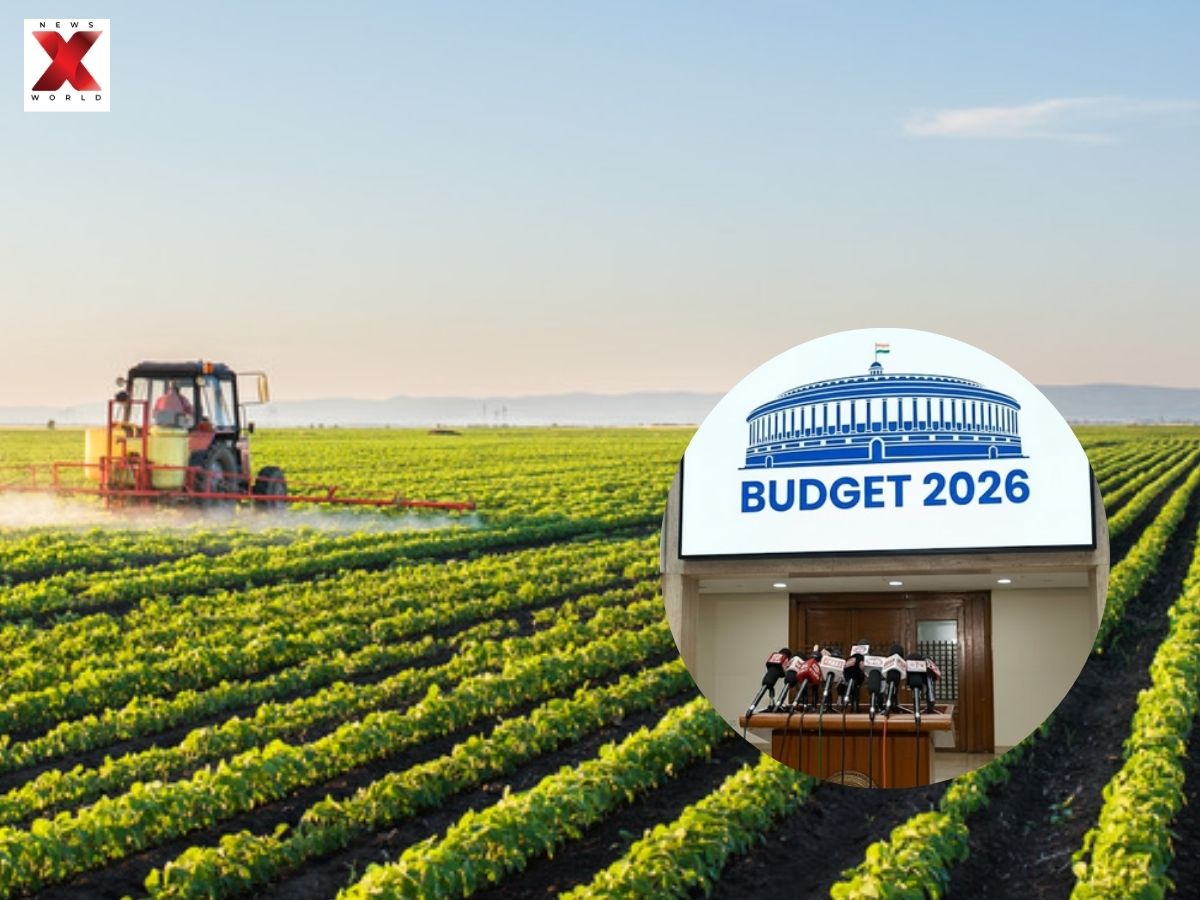
The Union Budget 2026–27 will provide significant financial resources to improve India’s agricultural sector and develop its rural areas. The Centre plans to invest ₹1.5 lakh crore in agricultural and rural development programmes, representing a higher allocation than the previous year’s budget of ₹1.37 lakh crore. The message is clear: when farms grow stronger, India grows stronger.

However, the focus goes beyond increased spending alone. Officials indicate that the Budget will prioritise lasting structural changes, combining higher financial support with improved implementation strategies. The objective is to raise farm incomes while building climate-resilient systems that can safeguard food production amid extreme weather events and rising input costs.

At the heart of the programme is the creation of sustainable agricultural systems that can withstand climatic shocks while improving farmers’ access to markets. This approach aims to deliver stable income growth for farmers, even as the broader economy increasingly relies on rural demand to drive the next phase of growth.

Budget 2026: Climate-Smart Farming and Farmer Financing in Focus

Climate-Resilient Farming

  • Strong push for climate-resilient agriculture amid rising weather uncertainties

  • Expanded incentives for millet cultivation to promote nutrition and water efficiency

  • Greater emphasis on organic farming and diversified cropping patterns

  • Reduced dependence on water-intensive crops

  • Increased funding for micro-irrigation, drip systems, and rainwater harvesting

  • Focus on stabilising crop yields and lowering long-term input costs

Higher Agricultural Credit & Farmer Financing

  • Likely increase in overall agricultural credit target

  • Recognition of higher capital needs for modern and climate-smart farming

  • Expected rise in per-farmer loan limit from ₹3 lakh to ₹5 lakh

  • Relief for small and marginal farmers facing liquidity constraints

  • Enables investment in quality seeds, fertilisers, mechanisation, and sustainable practices

Strengthening FPOs & Market Access

  • Expanded financial and institutional support for Farmer Producer Organisations (FPOs)

  • Improved collective bargaining power for farmers

  • Better access to markets with reduced dependence on intermediaries

  • Enhanced price realisation and income stability for farm produce

Boosting Value Addition, Exports, and Rural Jobs

  • Strong push for value addition in agriculture

  • Increased incentives for food processing and agri-based industries

  • Focus on reducing post-harvest losses

  • Promotion of exports of processed agricultural products

  • Creation of non-farm employment opportunities in rural areas

  • Integrating agriculture with allied sectors to diversify income streams in villages

Budget 2026: Seeds, Reforms, and a Smarter Agri-Future

The Union Budget 2026–27 presents more than increased financial figures because it delivers advanced agricultural solutions. The regulatory sector currently focuses on the upcoming Seeds Bill, which aims to resolve the persistent issue of fake and inferior seed products. Farmers now have a trustworthy system because enhanced transparency and accountability enable them to believe their sown seeds will produce actual crops.

The reforms extend beyond their current boundaries. The agricultural sector will implement a comprehensive strategy which combines climate-smart agriculture with increased financial assistance, upgraded value chains, and strict regulatory measures. The target establishes three objectives, which include increasing rural income, guaranteeing food security, and building climate resistance in agriculture.

India’s farmers receive not only a financial lifeline with this program but also an entire success toolkit that includes advanced seeds, improved financing options, and contemporary agricultural techniques, which enable villages to develop as economic growth centers. Farming now encompasses three elements, which include strategic planning, sustainable development, and ongoing progress.

RELATED News

LATEST NEWS




