
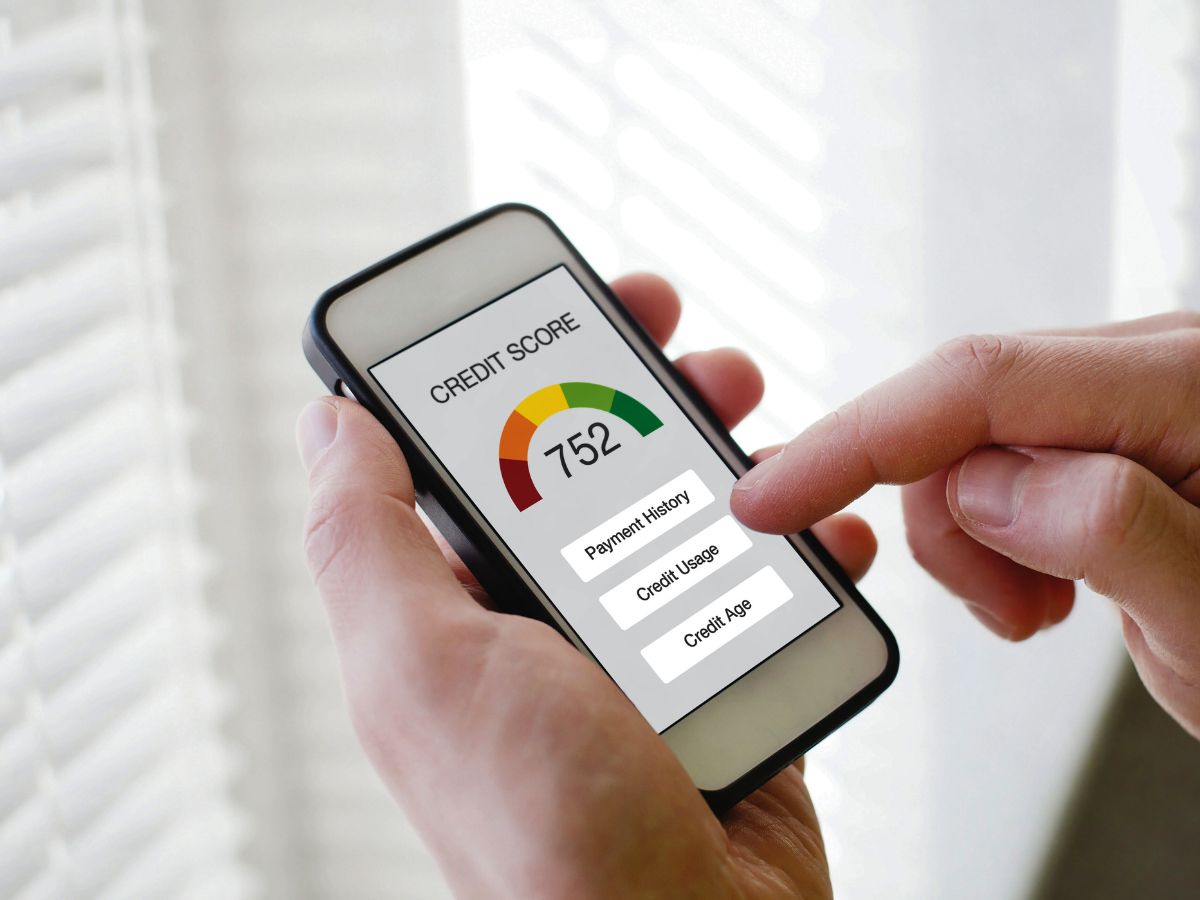

Maintaining a strong credit score is essential for financial stability, faster loan approvals, and lower interest rates. But even small mistakes can cause an immediate drop in your score, making it harder to access credit when you need it most. Financial experts warn that many borrowers unknowingly repeat basic errors that damage their CIBIL score and overall creditworthiness.
Here are 7 common credit score mistakes that can lower your score instantly — and how to avoid them.
1. Missing EMIs or Making Late Repayments
Payment history is the most important factor affecting your credit score. Even a single delayed EMI or credit card bill is reported to credit bureaus and can reduce your score by 50–100 points, affecting loan approvals.
How to avoid:
-
Enable auto-pay for EMIs and card bills
-
Always pay at least the minimum due to prevent default
2. High Credit Utilisation Ratio
Using most of your available credit each month signals financial stress. Experts recommend keeping the Credit Utilisation Ratio (CUR) below 30%. A high CUR instantly lowers your score and shows lenders you are dependent on credit.
How to avoid:
-
Spread expenses across different cards and billing cycles
-
Request a higher credit limit or apply for an additional card
3. Paying Only the Minimum Amount
Paying just the minimum due may avoid late fees temporarily, but it leads to very high interest accumulation (30–40% per annum). This can trap you in debt and eventually affect your credit score.
How to avoid:
-
Pay the total bill every month
-
If not possible, pay as much above the minimum as you can
4. Co-Signing Loans Without Understanding the Risk
If the primary borrower misses payments, the co-signer’s credit score also drops. All repayment activity appears in both credit reports.
How to avoid:
-
Co-sign only for trusted individuals with stable income
-
Track repayment status regularly
5. Closing Old Credit Card Accounts
Many people close older cards assuming they are unused. But old accounts increase the credit age, an important factor in evaluating creditworthiness. Closing them shortens your credit history and may lower your score.
How to avoid:
-
Keep old cards active with occasional small purchases
-
Upgrade instead of closing accounts
6. Ignoring Credit Report Errors
Incorrect reporting such as false loan entries or wrong late payment records can silently damage your score. Many people don’t check their reports regularly and miss errors.
How to avoid:
-
Check your credit report every 3–6 months
-
Raise dispute requests with bureaus like CIBIL, Experian, Equifax, CRIF Highmark
7. Applying for Too Many Loans or Cards at Once
Each loan or card application creates a hard inquiry, which temporarily reduces your score. Multiple inquiries in a short time make lenders view you as a high-risk borrower.
How to avoid:
-
Apply only when necessary
-
Keep at least a 6-month gap between applications
Why Your Credit Score Matters
A high credit score not only increases your chances of loan approval but may also help you:
-
Get lower interest rates
-
Qualify for higher loan amounts and premium credit cards
-
Pay lower insurance premiums, including car insurance
Monitoring and maintaining your credit score is crucial for long-term financial planning and accessing financial support easily during emergencies.
Avoiding these seven common mistakes can protect your credit score, maintain your financial reputation, and improve future borrowing opportunities. Consistent repayment behaviour, controlled spending, and timely monitoring are key to maintaining a healthy credit profile.
Many financial platforms, including DMI Finance, now offer free credit score checks and monthly reports, helping borrowers track progress and avoid surprises.
ALSO READ: Ambedkar Death Anniversary 2025: Why Modern Feminism Owes A Debt To Ambedkar’s Equality Ideals
Sofia Babu Chacko is a journalist with over five years of experience covering Indian politics, crime, human rights, gender issues, and stories about marginalized communities. She believes that every voice matters, and journalism has a vital role to play in amplifying those voices. Sofia is committed to creating impact and shedding light on stories that truly matter. Beyond her work in the newsroom, she is also a music enthusiast who enjoys singing.




