
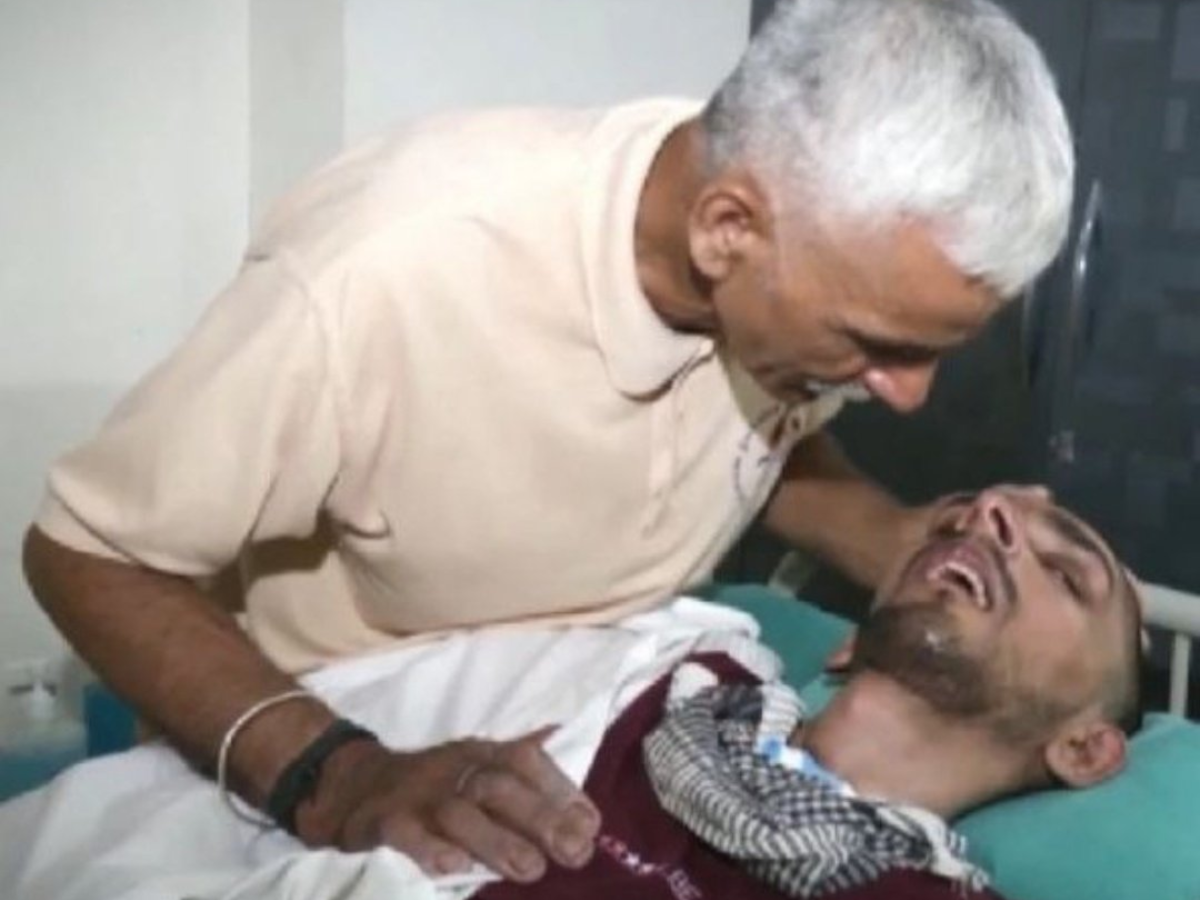

Recently, the Supreme Court of India made an important judgment permitting passive euthanasia for someone who was in the state of no brain activity (comatose state) for more than ten years. This situation involving Harish Rana received a lot of media attention after his parents said goodbye to him at AIIMS (All India Institute of Medical Sciences) in New Delhi before doctors would be removing life-support systems under the approval of the Supreme Court.
What is Passive Euthanasia
Passive euthanasia is to stop providing a patient with medical support (such as ventilation) and allowing the patient to die of his/her disease without any help. Passive euthanasia does not mean that the person is actively causing his/her death, but, instead, is stopping any other types of intervention (ventilator, feed tube, and other medical procedures) that would help keep that person alive.
The law in India has developed the passive euthanasia addition through its interpretation of the Constitution with reference to Article 21, which guarantees an individual has a “right to die with dignity.” The Indian Courts have stated that, for some patients in dire medical situations, such as terminal illnesses and vegetative conditions, additional medical support would not do anything other than extend the unnecessary suffering of the patient because there was no reasonable basis for the patient’s recovery.
The Supreme Court’s ruling in relation to Harish Rana was an illustration of how the passive euthanasia law in India could be implemented. The ruling emphasised that medical ethics, wishes of the family and dignity of the patient are all factors to be taken into consideration when making end of life decisions.
Case of Harish Rana
In August 2013 Harish Rana from Ghaziabad, Uttar Pradesh, fell from the 4th floor of a building in Chandigarh while studying there, resulting in a significant head injury. The injury left him with irreversible brain damage and in permanent vegetative state; as a result he had no meaningful communication, and was completely dependent on medical care for support.
After 12 years and 9 months of artificially feeding and hydrating Harish Rana through feeding tubes, he continued to receive quality medical care, however there was no indication he would ever make a recovery.
After legal proceedings involving the courts and the medical boards, Harish Rana’s father sought the assistance of the Supreme Court to end the life-sustaining treatments that were being given to Harish. The Court allowed the withdrawal of the life-sustaining treatments on the grounds that continuing them would be against the best interest of the patient.
AIIMS Bid Farewell to Rana Emotionally
After being found guilty of his wrongdoing, Rana was transported by ambulance to AIIMS Hospital in New Delhi, where physicians had been told to create a humane plan for end-of-life care. His parents were seen giving him an emotionally charged farewell shortly before life support was switched off. The case has created widespread discussion across the country regarding medical ethical issues and a patient’s right to die with dignity.
Khalid Qasid is a media enthusiast with a strong interest in documentary filmmaking. He holds a Master’s degree in Convergent Journalism from AJK MCRC. He has also written extensively on esports at Sportsdunia. Currently, he covers world and general news at NewsX Digital.




