
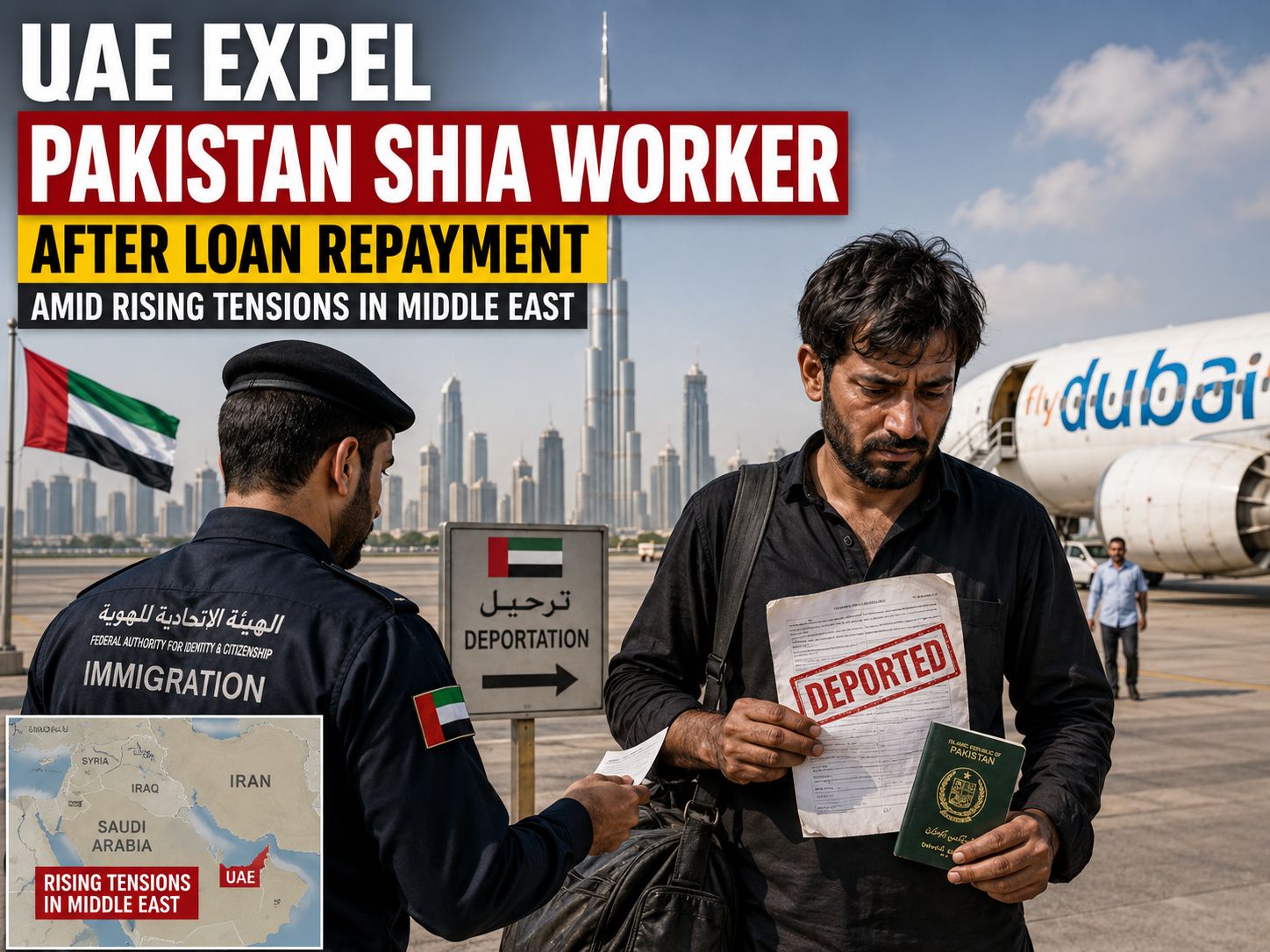
A new problem has come up with workers in the United Arab Emirates. This is causing a lot of worry in South Asia and the Gulf region. There are reports that thousands of Shia workers were sent back to their country from the United Arab Emirates after working there for many years. This has started a discussion about the rights of workers politics in the region and the growing tensions because of the conflict in the Middle East. The problem is very sensitive because many of these workers spent a time building their lives in the United Arab Emirates. Some reports say that people who were sent back to Pakistan had already paid back their loans finished their contracts or worked for years in jobs like construction, transport, retail and hospitality.
This is happening at a time when there is a lot of tension in the Middle East after the recent fights between Iran, Israel and Gulf nations. People who study these things say that this situation shows how international politics can affect workers like Pakistani workers in a big way even though they have no control, over what is happening between countries.
Thousands Reportedly Forced to Leave UAE
According to some news reports many Pakistani Shia workers are being forced to leave the UAE. They are being detained, sent back to Pakistan or told to leave the country. Some reports say that up to 15,000 people might be affected.. The UAE authorities have not yet confirmed this. These workers had been living in the UAE for years. They thought of it as their home. Some of them were taken to detention centres. Then put on flights back to Pakistan. Some people who were sent back said that their bank accounts were frozen before they left. All these reports are making Pakistani expats in the Gulf countries worried. They are scared about their jobs. Whether they will be allowed to stay in the country. The workers are worried, about their immigration status
Why the Issue Is Creating Global Attention
The thing with Pakistanis is that they have a lot of people living in the Gulf region. I mean we are talking about millions of people who are working there and sending money back to Pakistan. Every year they send billions of dollars home.For a lot of families in Pakistan having a job in a country like the United Arab Emirates or Saudi Arabia is a deal. It means they can support themselves and their families. The problem is that a lot of these workers have to take out loans to pay for things like visas and travel expenses. It takes them years to pay back these loans.
So when you hear about people being deported after working in these countries for years it is really shocking. People think that migrant workers like Pakistanis should not be punished because of problems or disagreements between different groups.At the time some people think that the Gulf countries need to be careful about who they let in. They are worried about things like terrorism and people using media to cause trouble. They think that during times of conflict they need to make sure everyone is, on the page.
Regional Politics Playing a Bigger Role
Experts believe the situation cannot be separated from the broader tensions unfolding across the Middle East. The UAE, Iran, Israel, and several regional powers have been involved in rising diplomatic and military tensions over the past few months.
Some reports suggest that the deportation campaign may be linked to concerns about political sympathy toward Iran among sections of the Pakistani Shia community. However, there has been no official public statement confirming this allegation.
Political analysts say Gulf countries are increasingly cautious about internal security, online activism, and foreign political influence. In highly tense geopolitical situations, migrant communities can sometimes face increased scrutiny.
The issue has also highlighted Pakistan’s difficult diplomatic balancing act between maintaining strong ties with Gulf nations while also managing its relationship with neighbouring Iran.
Workers Claim Financial Losses and Frozen Accounts
One of the worrying things about the reports is that some workers lost their savings. These workers had been saving money for years. Some people who were deported said they could not fully access their bank accounts before they left the UAE.
For workers the money they save abroad is very important. It often takes years of hard work to save this money. Many workers leave their families behind work hours and live in difficult conditions to save money for a better future. If they lose this money it can cause problems for their families.
Observers who care about workers rights say that governments and employers should make sure workers are treated fairly and have access to their money before they are deported.
However it is hard to know for sure if all the claims about workers money being taken are true. There is not independent verification of these claims yet.
- Rights groups are concerned, about the struggles of migrant workers.
- Governments and employers need to ensure treatment of workers.
- Verification of financial seizure claims is limited.
.
Fear Growing Among Overseas Pakistani Communities
The reports are causing worry not in the UAE but also for Pakistani workers in other Gulf countries. People are talking on media about how anxious they are fearing stricter immigration checks or more surveillance. Some workers are staying quiet online about politics because they are worried about their visa or job security.
Community groups are now talking about how important it’s for overseas workers to know their rights have the right papers and be financially ready . This situation shows how easily migrant workers can get hurt when there is tension, between countries.
Pakistan’s Economy Feels Pressure Too
The problem might also hurt Pakistan’s economy. Money sent home by Pakistanis working in Gulf countries is very important for the country. If many jobs are lost abroad it could mean money for families lower foreign exchange reserves and changes, in how many people move to other countries for work.
Pakistan has historically depended heavily on Gulf labour markets, especially in sectors such as:
- Construction
- Transport
- Hospitality
- Domestic work
- Retail services
Human Rights Concerns Raised
Human rights observers and advocacy groups have also raised concerns regarding due process and transparency. Some activists argue that workers should receive:
- Clear legal explanations
- Access to documentation
- Banking access
- Legal representation
- Adequate notice before deportation
At the time Gulf countries have strict immigration and national security laws. They often say that residency privileges depend on rules and security concerns. The debate shows that countries worldwide face a challenge. They need to balance keeping their country safe, with protecting the rights of workers.
Why do Pakistanis work in Gulf countries?
Gulf countries pay more. Have more job openings than many jobs in Pakistan. These countries offer salaries. People in Pakistan look for jobs in Gulf countries because they pay well. The jobs, in Gulf countries are also more secure. Many Pakistanis prefer working in Gulf nations.
Why is UAE important?
The United Arab Emirates is a place where a lot of people from Pakistan go to work. In fact the United Arab Emirates has millions of workers from South Asia including people from Pakistan. The United Arab Emirates is really good for people who want to work especially for people, from Pakistan and other South Asian countries.
What are remittances?
Remittances are when people who work in countries send money back home to their families. They use remittances to help pay for things, like education and healthcare. Remittances also help support businesses and families in general.
Why are these deportation reports significant?
The thing is these things affect workers who have spent a lot of time building their careers and repaying loans and supporting their families with the money they earn from overseas. Workers, like these workers have families that depend on the money they make from working.
Saniya Siddique is a skilled Content Writer with a background in Journalism. Specializes in creating engaging, accurate, and audience-focused content, with expertise in news writing, digital media, and writing trendy articles on buzz and entertainment.





