
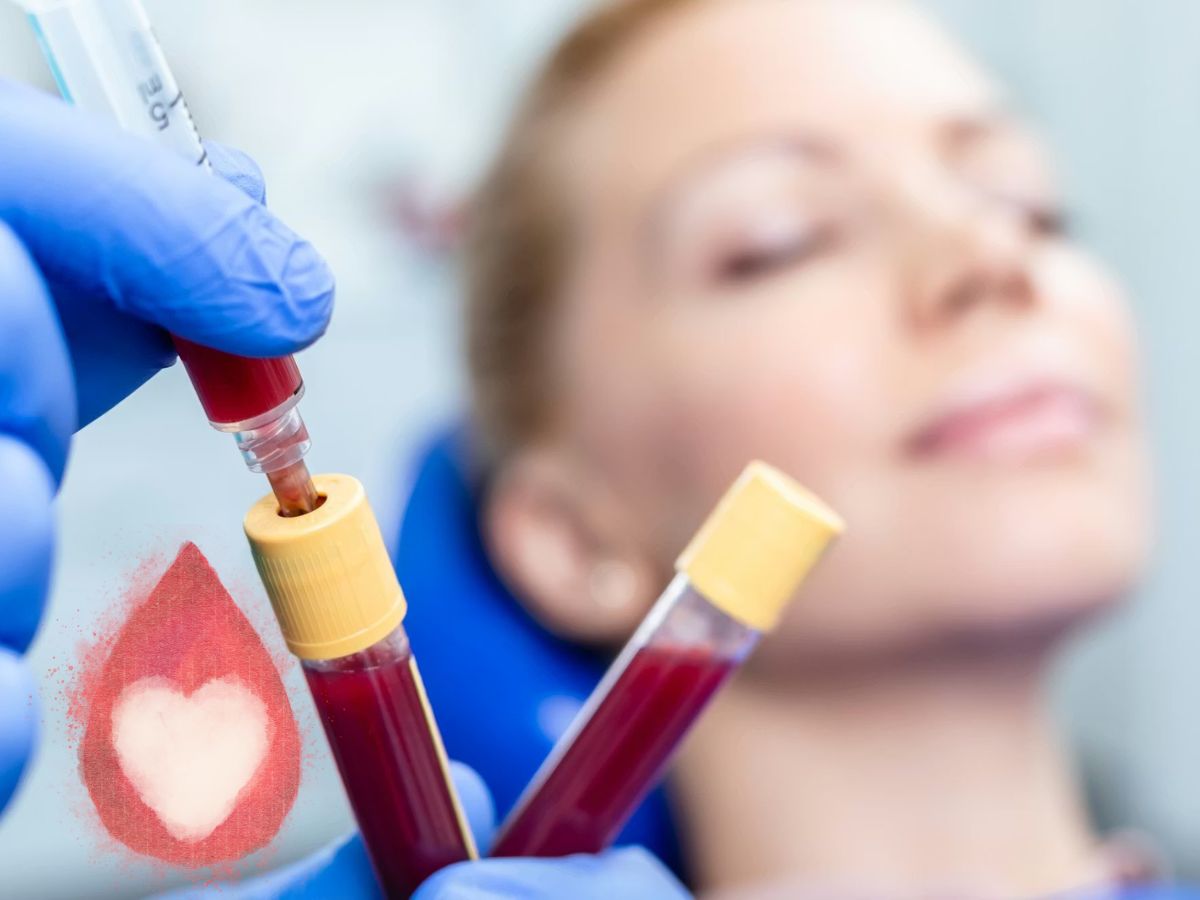

A new, and rather unsettling, beauty trend has gone viral on TikTok and Instagram called “menstrual masking.” It has left many people in shock and disgust. Menstrual masking involves the application of period blood directly onto your face in pursuit of glowing and youthful skin. Influencers tout this trend and claim that menstrual fluid is rich in stem cells, growth factors, and nutrients that will help cure acne, improve elasticity, and boost collagen. But dermatologists say the trend is neither natural nor safe-and has no scientific backing.
What Exactly Is Menstrual Masking?
Menstrual masking means smearing menstrual fluid onto skin as a face mask, often DIY; creators smear blood on their skin and describe the ritual as ancestral, organic beauty. Proponents most often refer to studies indicating that stem cells derived from menstrual blood are capable of regenerating tissue in the controlled environment of the laboratory.
Research published in the journal Federation of American Societies for Experimental Biology found that processed menstrual plasma significantly accelerated wound healing in laboratory experiments. But these results derive from purified, sterile and medically handled samples, not raw menstrual blood collected at home.
Why the Trend Has Shocked Social Media
The videos, featuring users smearing bright red blood on their faces, have gone viral with thousands of comments ranging from disbelief to disgust. Many wondered why influencers were turning bodily fluids into skincare hacks, while creators framed the trend as natural, chemical-free, and empowering. The shock factor only added to its rapid spread across platforms.
Why Dermatologists Are Warning Against It
Dermatologists strongly caution against menstrual masking, emphasizing that menstrual blood is not sterile. The fluid contains a combination of blood, endometrial tissue, cervical mucus and bacteria from the vagina and outer skin. Researchers interviewed in The Conversation say that menstrual blood may contain microorganisms like Staphylococcus, Streptococcus and E. coli all of which could cause infections if applied to the face.
Dermatologists are warning that using menstrual blood on the skin could result in infections, rashes, acne flare-ups, irritation, and disruptions to the skin’s natural pH. They say there is absolutely no clinical evidence that menstrual blood can improve collagen production, mend acne or improve skin texture. And, though menstrual fluid does contain stem cells, those particular cells are unable to penetrate the skin or function without advanced laboratory processing.
Safer Alternatives Backed by Dermatology
According to experts, it’s best to stick with science-backed treatments for anti-aging or skin-repair benefits, rather than using DIY menstrual facials. Dermatologists recommend retinoids to encourage cell turnover, vitamin C to brighten and boost collagen, niacinamide to reduce inflammation, and peptide serums to repair. Even PRP or “vampire facials” performed by professionals and in sterile clinical settings are a safer alternative for people who are attracted to plasma-based treatments.
Why This Trend Still Emerged
Yes, despite the risks, menstrual masking has gained traction due in part to a growing push for “natural” beauty solutions, efforts to challenge stigma around periods, and the internet’s appetite for shock-value content. Some creators are framing it as a statement of body acceptance; others pitch it as a chemical-free alternative to store-bought skincare.
Menstrual masking has been trending, but it’s not safe for your skin. Period blood isn’t the same as a skincare product—it contains bacteria and waste products your body is trying to get rid of. Putting it on your face can actually increase your risk of irritation, infection, pic.twitter.com/VIMArO0BHb
— Dr. Chad (@Dr_Chad_MD) September 16, 2025
Menstrual masking might be going viral on the internet, but dermatologists agree unanimously that it is unsafe, unhygienic, and ineffective. The so-called natural skincare cure has no scientific evidence behind it and carries a lot of health risks. As the viral videos continue to circulate, experts urge viewers to approach the trend with caution and rely on tested, medically approved skincare solutions instead.
Sofia Babu Chacko is a journalist with over five years of experience covering Indian politics, crime, human rights, gender issues, and stories about marginalized communities. She believes that every voice matters, and journalism has a vital role to play in amplifying those voices. Sofia is committed to creating impact and shedding light on stories that truly matter. Beyond her work in the newsroom, she is also a music enthusiast who enjoys singing.




