Fasting Food Guide: What’s Allowed And What’s Not
Vrat or fasting is a spiritual practice followed by many devoties of Hindu Gods and godesses. It doesn’t mean you have to go hungry or eat boring food. Here’s a list of what you can eat during your fasting, while staying full of positive energy and spiritual.
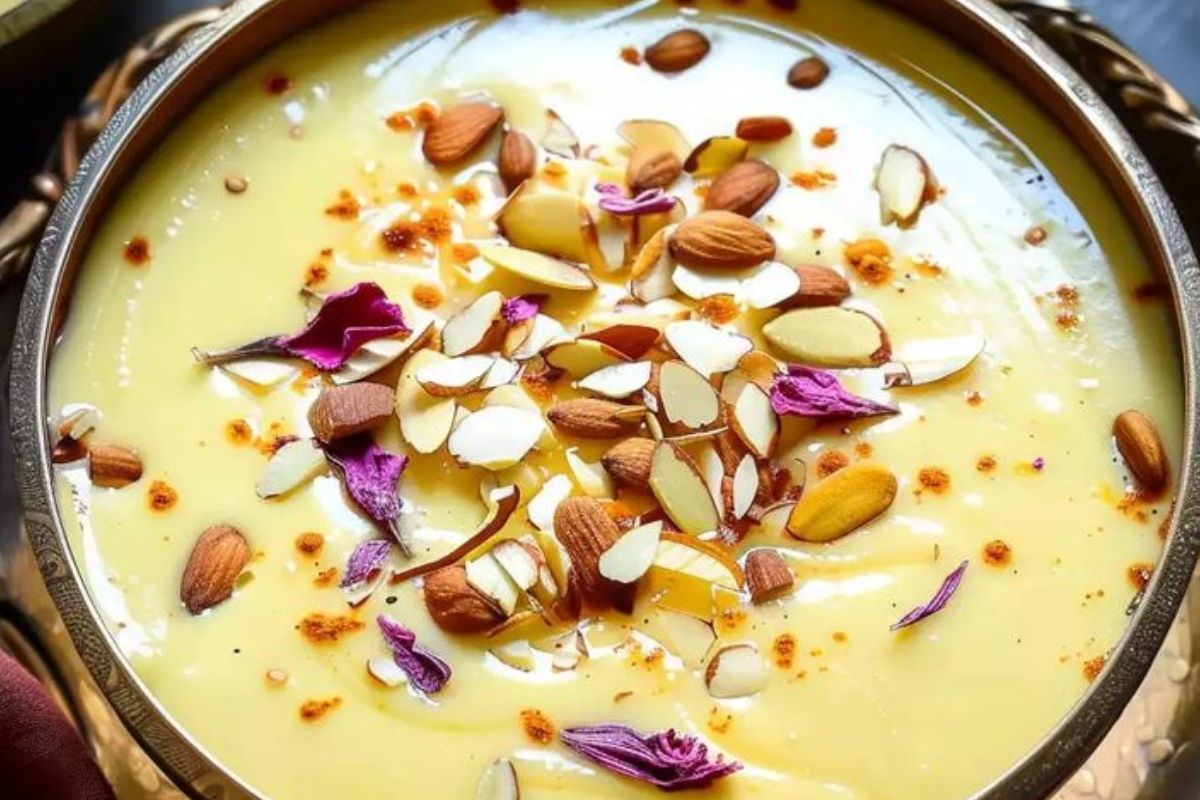
Vrat sweets
You can cook sabudana kheer, sweet potato halwa, kuttu or singhade ke aate ka halwa, makhana kheer and dry fruit laddus. Avoid market sweets at all costs. Make at home with jaggery or dates.
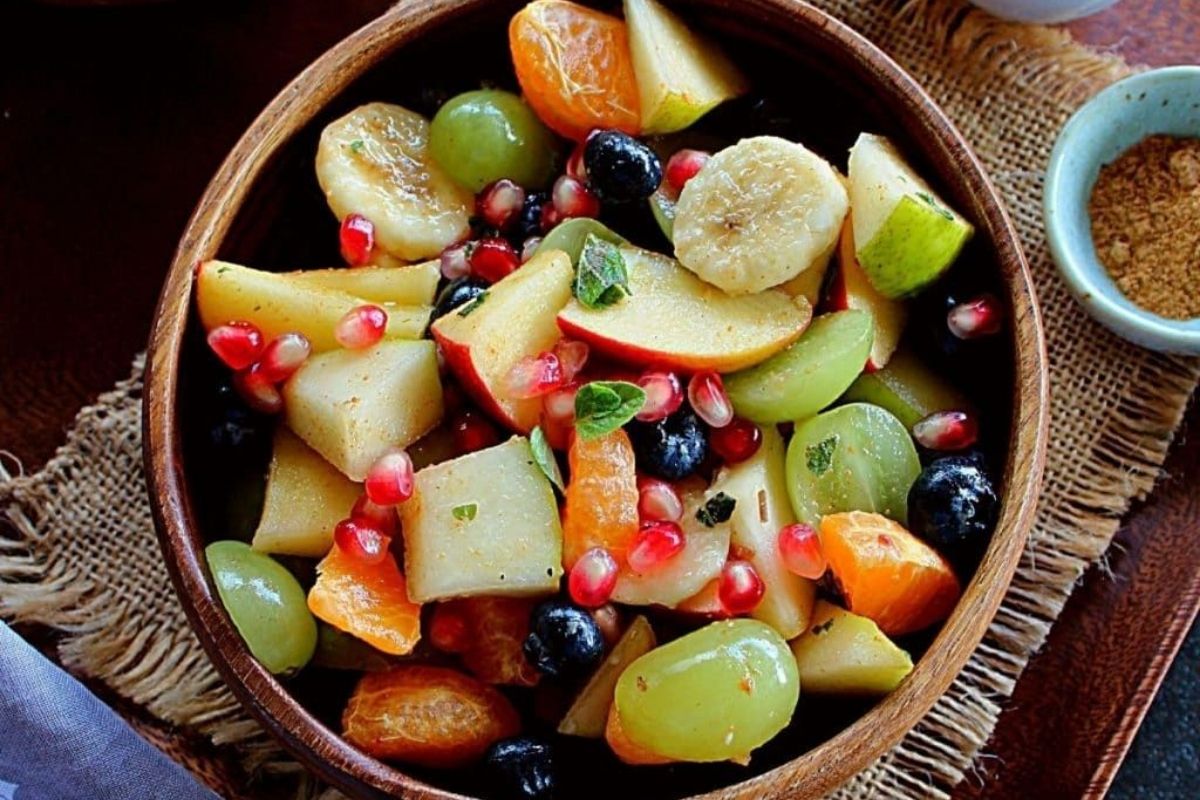
Fruits (Raw or in Chaat)
You are aloud to eat many kinds of fruits including bananas, apples, papaya, pomegranate, watermelon, grapes etc. make fruit chaat with lemon, black pepper or sendha namak to have a great combination.
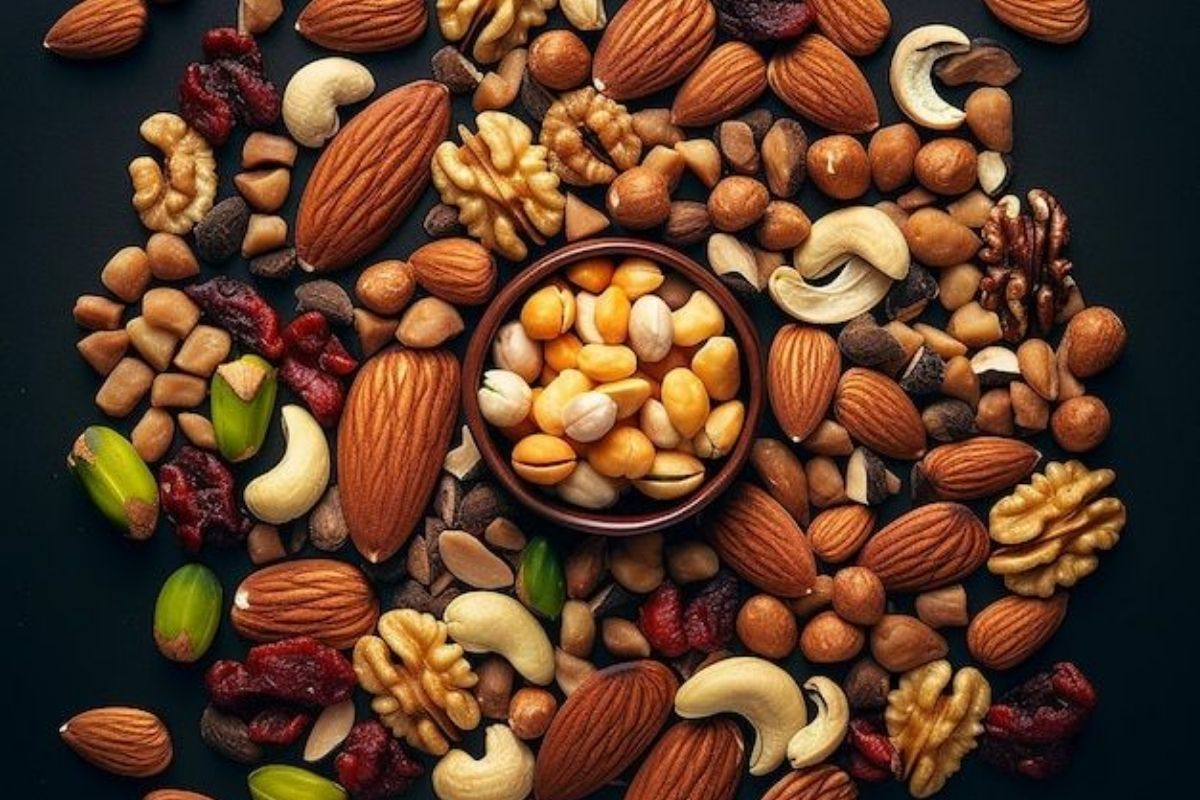
Dry Fruits and Nuts
These are power boosters. You can eat dry fruits and nuts including almonds, cashews, walnuts, raisins, dates, makhanas and coconuts. Makhana dry fruit with sendha namak is a delicious snack idea.
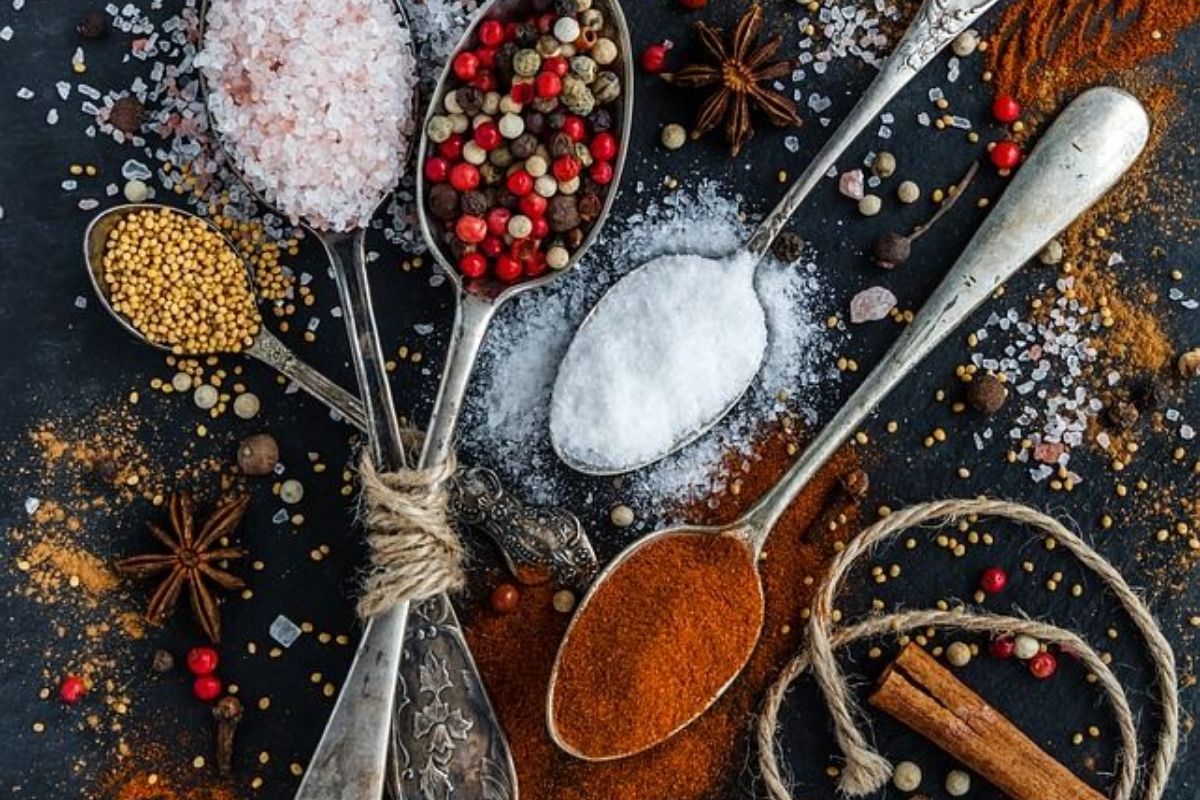
Salt and Spices
You can use Sendha namak (rock salt) while fasting. Black pepper, green chilli, jeera, ginger, cardamom, cinnamon and clove are also allowed. Avoid regular salt and spicy masalas like garam masala red chilli.
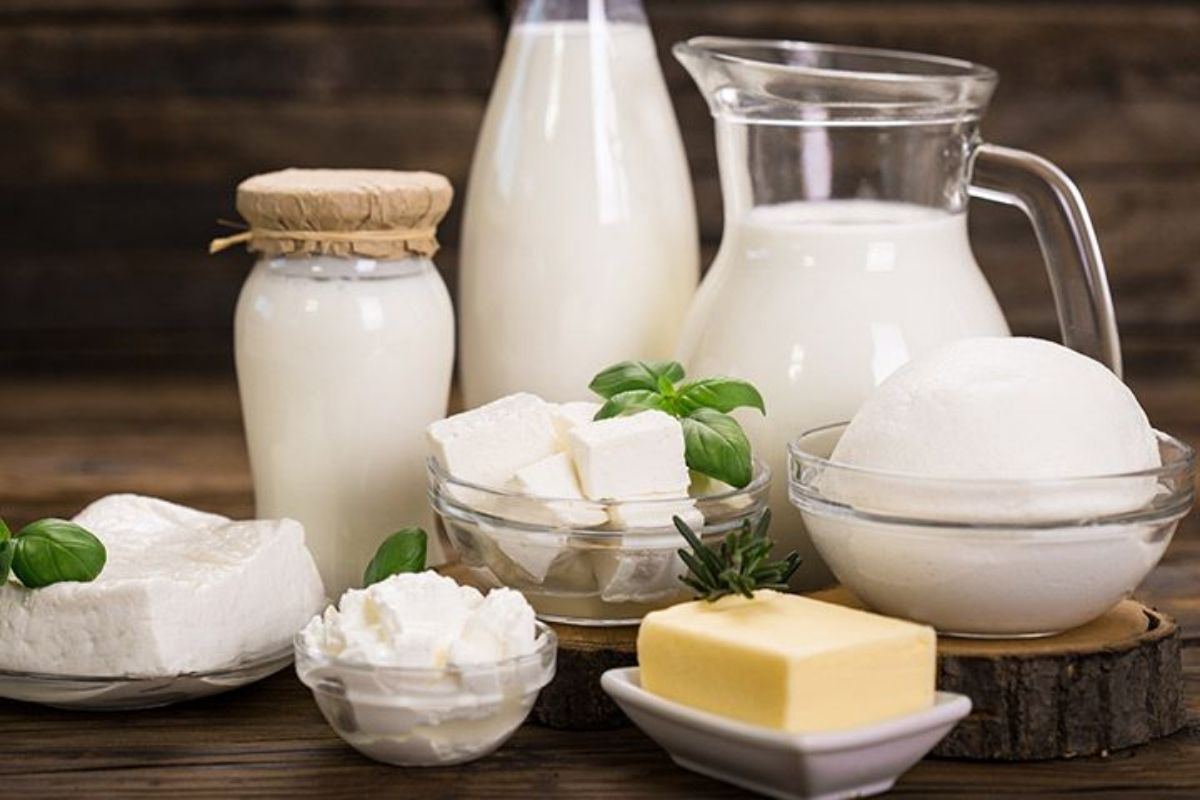
Dairy Products
Milk cut paneer butter milk and ghee are allowed to be eaten during fasting. If you are looking for a light meal during your fast, chilled buttermilk and roasted makhanas is a light and refreshing option.
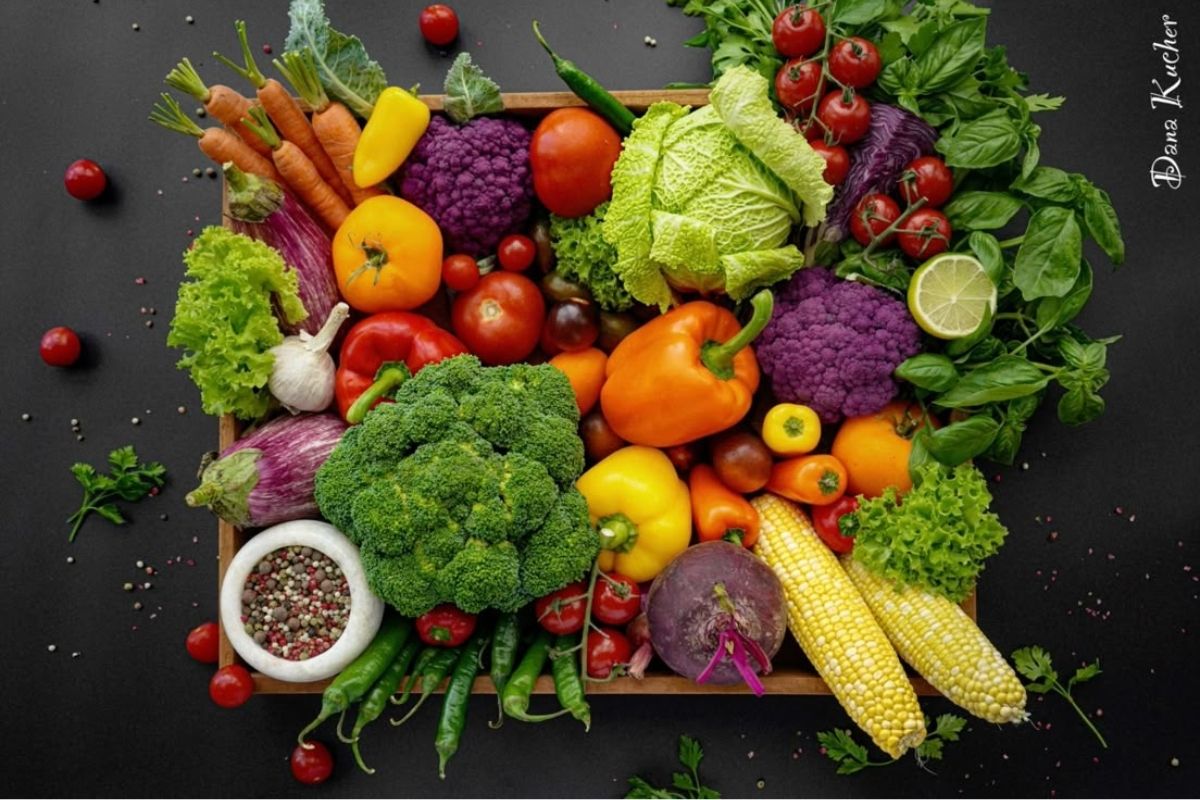
Vegetables
One can eat potatoes, sweet potato, pumpkin, bottle gourd (lauki), cucumber, tomatoes, raw bananas and carrots.
Vrat ka Anaaj
You are allowed to eat Kuttu ka aata, singhade ka aata, rajgira floor, samagra rice and sabudana. These are the types of flours and grains one can eat during their fasting.
Disclaimer-This content is intended for information or general knowledge purpose only. All information was derived from publicly available sources. All pictures belong to their own respective owners. No copyright infringement intended. Some things may vary with time.