

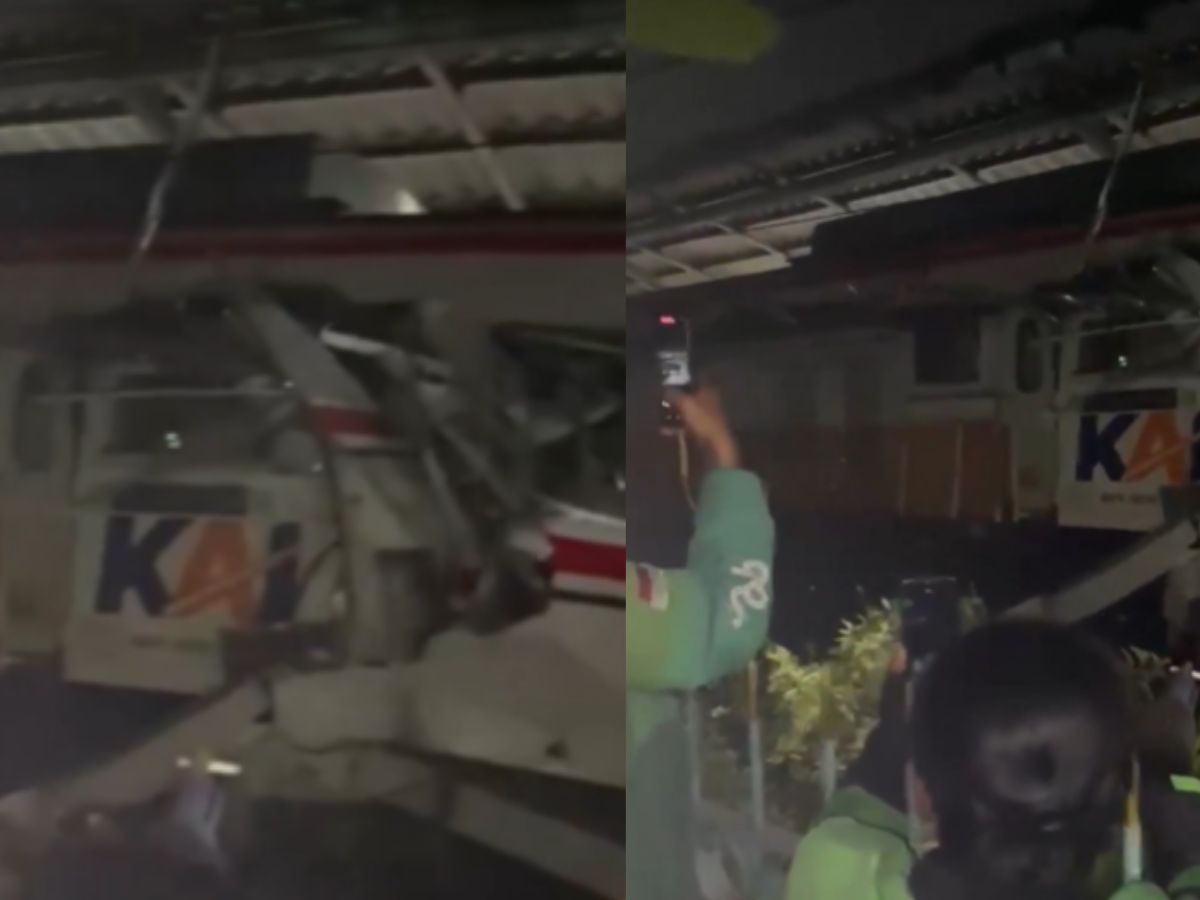
A devastating head-on collision between a stationary CommuterLine train and a long-distance diesel locomotive (KRD) late Monday evening has left the Bekasi Timur Station in a state of crisis. The location, which sits 25 kilometers east of Jakarta’s central area, became a disaster zone when authorities found two dead bodies there. According to Kereta Api Indonesia (KAI), the local commuter service was positioned on Track 1 waiting its scheduled departure to Cikarang when the incoming long-distance service started from the west and entered the same line. The impact destroyed the back train cars of the electric commuter train, which resulted in passengers getting trapped inside the wreck and required military and fire brigade and national search and rescue agency personnel to respond immediately.
Strategic Disaster Mitigation and Rapid Response Operations
The emergency evacuation plan requires multiple agencies to conduct their response operations after the railway incident. The high-impact collision required the national search and rescue agency’s specialized equipment to cut through reinforced steel, which differs from standard service interruptions. The medical teams at the hospital are currently treating two confirmed fatalities while they assist an unknown number of injured passengers.
Ongoing rescue at East Bekasi Station, #Indonesia: Joint Search & Rescue teams are working urgently to evacuate passengers still trapped in the badly damaged carriages after the collision between a Commuter Line train and the Argo Bromo Anggrek train.
1/2 pic.twitter.com/CLZGcVtNOz— Siraj Noorani (@sirajnoorani) April 27, 2026
The KRD locomotive caused a violent impact that destroyed the stationary carriages, creating dangerous conditions that required extraction teams to work at controlled speeds. The Bekasi rail corridor operates under partial disruption because fire brigade units and military forces work together to manage the challenges of clearing the major infrastructure disaster.
Technical Discrepancy Analysis and Signaling System Integrity
The investigation currently works to establish a complete timeline of events while KAI and transport safety boards conduct their investigation to find the exact cause of the signaling failure. The primary technical question revolves around how a long-distance diesel train was granted clearance into an occupied Track 1 segment. The investigators are conducting their examination of the automatic interlocking systems while they analyze the communication records between the Bekasi Timur dispatch and the incoming KRD driver.
Safety System Failure Under Scanner as Investigators Probe Signaling Breakdown and Track Clearance Lapses
The collision forensics work represents a critical step to determine the reasons behind the complete breakdown of safety buffers, which should have maintained separation between local electrified rapid-transit and long-haul locomotive services. The Ministry of Transportation has not published its final report, so current efforts focus on retrieving forensic evidence from the locomotives to stop future track-sharing incidents on Indonesia’s busy metropolitan train system.
Bhumi Vashisht is a passionate media graduate and emerging voice in digital journalism, currently working with NewsX as an Entertainment and Viral Content Writer for the past 10 months. With a strong understanding of trending digital culture, celebrity news, and audience engagement, she specializes in crafting compelling entertainment stories and viral content that resonate with modern readers. Known for her creative storytelling approach and sharp eye for trends, Bhumi brings fresh perspectives and strategic content ideas to the fast-paced media industry.





