
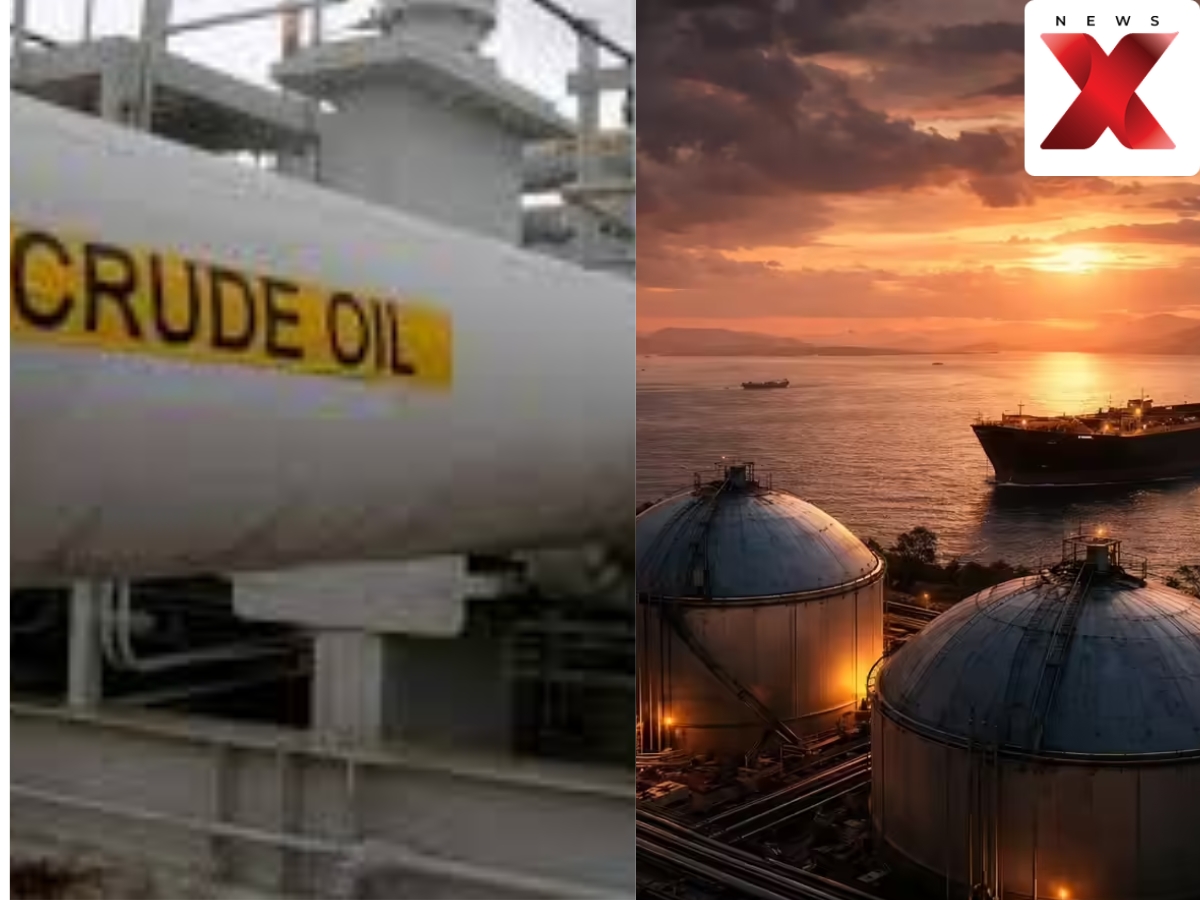

The Group of Seven (G7) finance ministers will discuss on Monday a joint release of oil from emergency reserves coordinated by the International Energy Agency, the Financial Times reported.
Three G7 countries, including the U.S., have so far expressed support for the idea, the FT said citing sources, and added that the ministers and the IEA Executive Director Fatih Birol will hold a call to discuss the impact of the Iran war.
The report comes as oil prices surged more than 25% on Monday to their highest levels since mid-2022 as some major producers cut supplies and fears of prolonged shipping disruptions gripped the market due to the expanding U.S.-Israeli war with Iran.
Also Read: Crude Oil Prices Surge Above $100 Per Barrel As Middle East War Disrupts Global Supply
The IEA and the G7 presidency did not respond to requests for comment outside regular business hours.
The U.S. dollar jumped on Monday as soaring oil prices sent investors scrambling for cash on worries that a protracted Middle East war could severely disrupt energy supplies and hurt global growth.
The greenback pared some gains in the Asian afternoon on a Financial Times report that the G7 finance ministers will discuss on Monday a joint release of oil from emergency reserves coordinated by the International Energy Agency, which sent oil prices retreating slightly after they earlier spiked to just shy of $120 per barrel.
The U.S. dollar jumped on Monday as soaring oil prices sent investors scrambling for cash on worries that a protracted Middle East war could severely disrupt energy supplies and hurt global growth.
The greenback pared some gains in the Asian afternoon on a Financial Times report that the G7 finance ministers will discuss on Monday a joint release of oil from emergency reserves coordinated by the International Energy Agency, which sent oil prices retreating slightly after they earlier spiked to just shy of $120 per barrel.
The broad market rout triggered indiscriminate selling across assets on Monday.
Stocks, bonds and precious metals slid as investors, spooked by the impact of surging oil prices on global inflation and economic growth, turned risk-averse and cashed in on some of their most profitable trades.
“The longer this goes on, the more exponential the damage becomes in a domino effect, which is exactly what oil is now showing to a market that saw some takes last week that things could be a lot worse,” said Michael Every, senior global strategist at Rabobank.
“If we are still in the same position this time next week, things could be quite terrifying.”
Zubair Amin is a Senior Journalist at NewsX with over seven years of experience in reporting and editorial work. He has written for leading national and international publications, including Foreign Policy Magazine, Al Jazeera, The Economic Times, The Indian Express, The Wire, Article 14, Mongabay, News9, among others. His primary focus is on international affairs, with a strong interest in US politics and policy. He also writes on West Asia, Indian polity, and constitutional issues. Zubair tweets at zubaiyr.amin




