
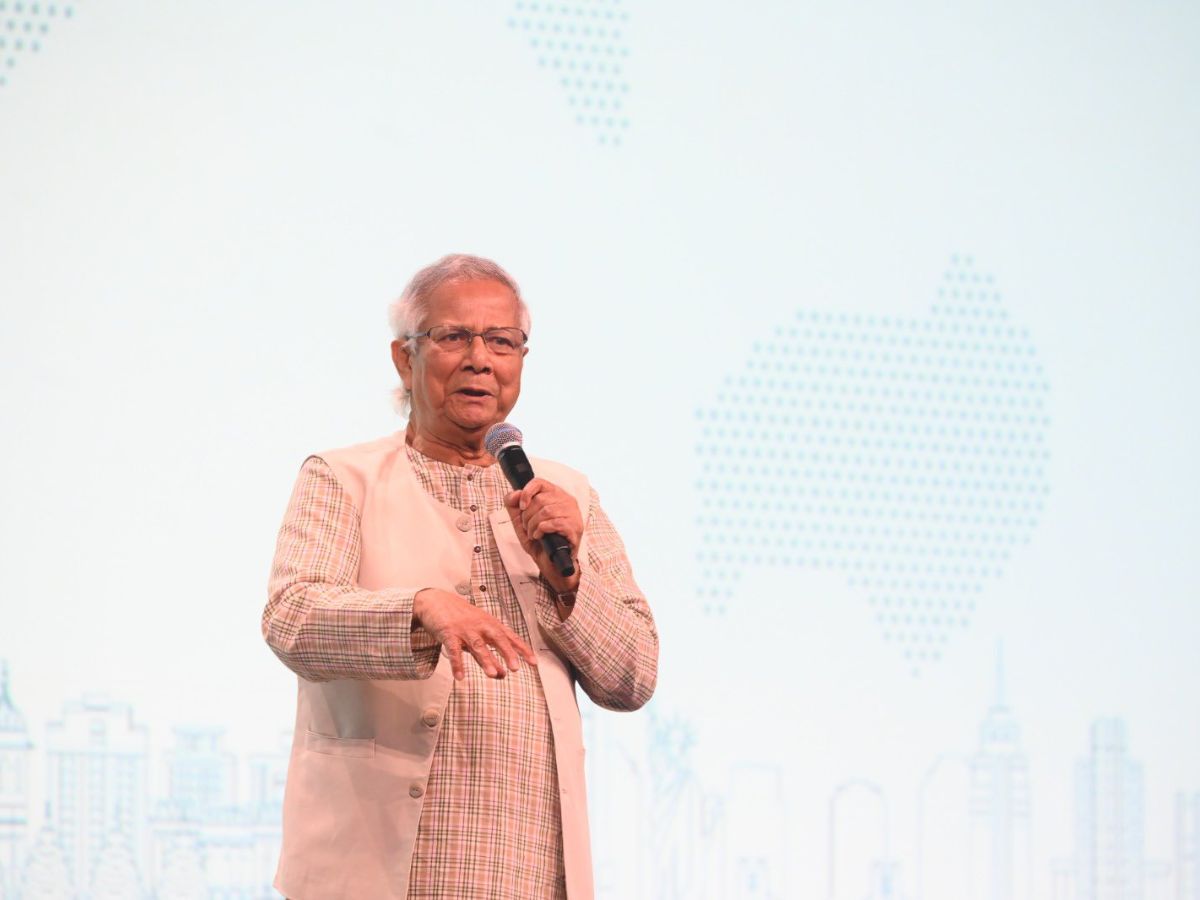

In a major policy reversal, Bangladesh’s interim government led by Muhammad Yunus has scrapped plans to hire music and dance teachers in primary schools, following intense pressure from Islamist political and religious groups.
A senior official from the Ministry of Primary and Mass Education confirmed to AFP that the decision announced in August to appoint music and physical education teachers has now been withdrawn.
“The government has scrapped the decision and issued an order,” the official said, requesting anonymity. “Both the music and physical education posts have now been dropped.”
Protests from Islamists
Though the government has not publicly commented, the announcement follows a wave of protests from influential Islamist organisations, including Jamaat-e-Islami and Hefazat-e-Islam, which accused the government of promoting activities “against Islam.”
Mia Golam Parwar, a senior Jamaat leader, demanded the recruitment of religious teachers instead, arguing that prioritising music and dance over religion was unacceptable.
Sajidur Rahman of Hefazat-e-Islam claimed the push for music education was “a conspiratorial move” against Islamic values.
Last week, Religious Affairs Minister A.F.M. Khalid Hossain met officials of the education ministry and later told reporters:
“The government will not make any decision that goes against public sentiment.”
Islamist Pressure Growing After Hasina’s Exit
Bangladesh, a Muslim-majority country of 170 million has been in political upheaval since former Prime Minister Sheikh Hasina was ousted in August 2024 after mass protests over alleged human rights abuses. Hasina, who took a hard stance against Islamist groups during her 15-year rule, fled to India and faces charges of crimes against humanity.
Her departure has emboldened conservative Islamist organisations, which are increasingly pushing the government to restrict cultural practices they deem un-Islamic. Demands have included curbs on women’s football tournaments, music festivals, theatre performances and even traditional kite-flying events.
Educators Alarmed
The decision has sparked criticism from education experts, who argue that music is an essential part of holistic learning. “What kind of nation are we trying to create?” questioned Rasheda K. Chowdhury, a prominent education activist. “The government should have convinced them that religious studies and music can go hand in hand; there is no conflict between them.” she added.
Sofia Babu Chacko is a journalist with over five years of experience reporting on Indian politics, crime, human rights, gender issues, and stories about marginalized communities. She believes journalism plays a crucial role in amplifying unheard voices and bringing attention to issues that truly matter. Sofia has contributed articles to The New Indian Express, Youth Ki Awaaz, and Maktoob Media. She is also a recipient of the 2025 Laadli Media Awards for gender sensitivity. Beyond the newsroom, she is a music enthusiast who enjoys singing. Connect with Sofia on X: https://x.com/SBCism




