
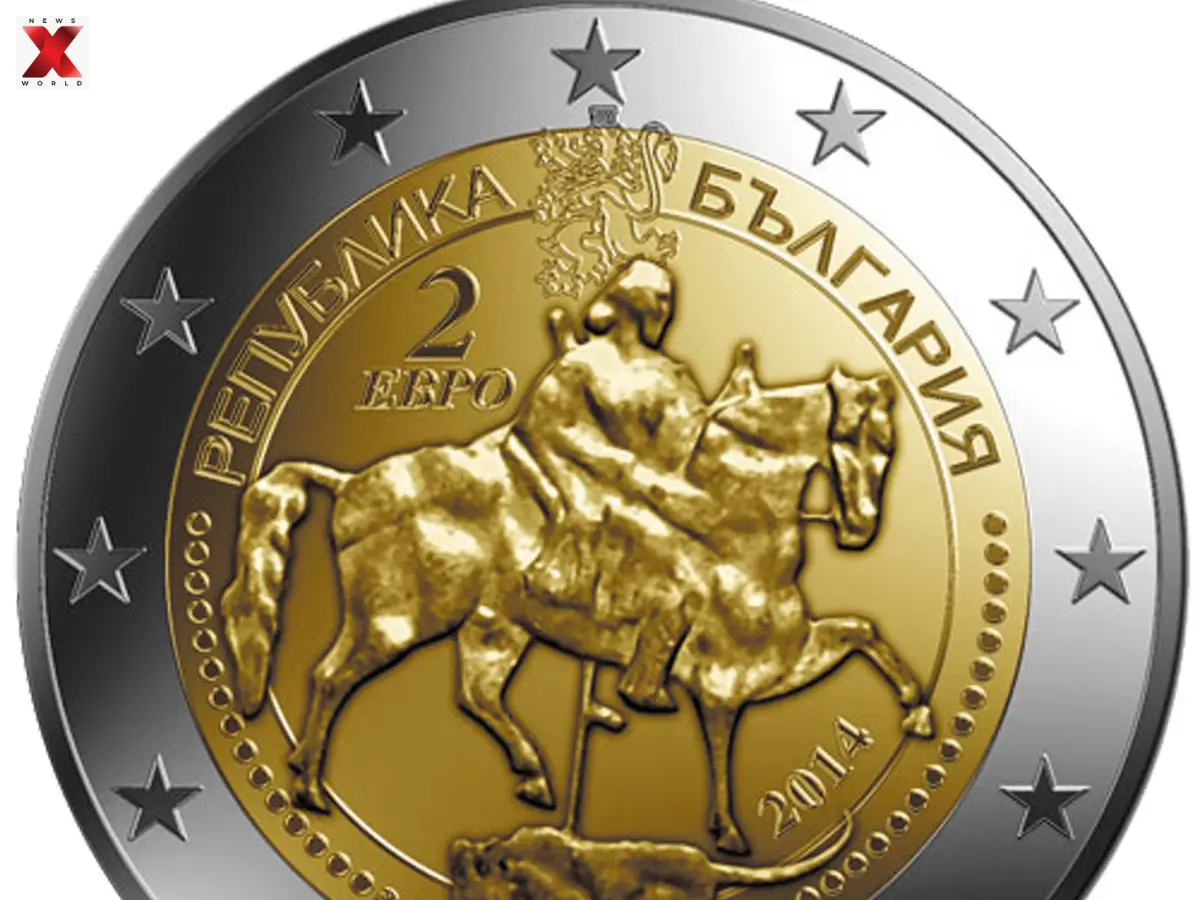

Bulgaria’s getting ready to switch to the euro on January 1. That means the country will say goodbye to the Bulgarian lev and become the 21st member of the eurozone.
Earlier this year, Bulgaria got the green light to join the group of European Union countries that use the euro as their official currency.
Why has Bulgaria adopted the Euro?
To get here, Bulgaria had to tick off a checklist keeping inflation in check, managing its budget deficit, keeping borrowing costs steady, and making sure its exchange rate stayed stable.
Bulgaria joined the EU in 2007. With a population of about 6.7 million, it’s not a big country, but this move is a big step. So why does Bulgaria want in on the eurozone?
First, a quick refresher: The European Union has 27 members, but only 20 of them use the euro right now. Denmark, Sweden, Poland, Hungary, the Czech Republic, and Romania still stick with their own currencies.
The euro is a heavy hitter second most traded currency in the world after the US dollar and it’s used by around 350 million people.
Bulgaria’s been aiming for this for a while. It first floated the idea back in 2018, though its currency has actually been tied to the euro since 2007. There are some real perks to joining: more financial stability, easier trade, and a bigger influence both politically and economically. Plus, Bulgaria will now have a say at the European Central Bank’s table when big decisions get made.
It’s true, Bulgaria is still one of the EU’s less wealthy countries, but things have been looking up. In 2007, its economy was worth about $44 billion. By 2025, that number’s expected to hit $150 billion. GDP per person has more than tripled in that time, too.
Guntram Wolff, a euro-area fiscal policy expert at Bruegel, points out that Bulgaria’s economy has stayed stable over the years, even if it hasn’t grown as fast as some hoped.
Prime Minister Rosen Zhelyazkov said switching to the euro is more than just a currency change—it’s a strategic move to strengthen Bulgaria’s role in Europe. Christine Lagarde, who runs the European Central Bank, said the decision will make Bulgaria’s economy stronger, help it deal with global shocks, and give it a louder voice in eurozone decisions.
People in Bulgaria can still use the lev until January 31. After that, it’s euro only.
Who is in favour and who is not?
Critics have believed that by abandoning its currency in favour of the euro, Bulgaria will be losing control of its monetary policy. They worry that the prices will increase whilst the wages will remain unchanged. According to them, only the wealthy and the elite will enjoy the introduction of the euro and inflation will kill the elderly and people earning less.
Advocates of Bulgaria joining the eurozone indicate that by becoming a member of the club of the rich, the nation will gain and will make a big step as a result.
Things are brought out as though Bulgaria is bound to upsurge its standard of living and prosperity but how this will be so is not a question well worthy to be asked because mandatory and postponed reforms are mandatory without which our country will not be a participant on equal grounds.
Access to the eurozone will not work in favour of the Bulgarian economy. It would end up being a periphery of the eurozone, which is less malleable and which cannot mitigate or even eradicate its shocks, on its own, said Rangelova.
Will it affect the inflation?
The European Union has however, posted that no proof exists that joining the eurozone will lead to inflation spiking.
There is no unanimity among the citizens regarding the idea. In a poll conducted by the Ministry of Finance of Bulgaria, the country was found to be in support of the euro zone by a majority of 51 per cent and against 45 per cent.
Some have welcomed the move. Veselina Apostolova, a pensionist who was shopping in Sofia, said that the use of euros by not only older people but also all young people has made traveling with the currency very easy, as opposed to exchanging money.
International businesses, which sell products, were also accommodating.
According to Natalia Gadjeva, the owner of the Dragomir Estate Winery in the Thracian Valley, it is the most significant to me that all activities that are associated with changing currency and re-issuing invoices into euros and then levt (and vice versa) are going to be changed.
Companies have been getting ready. The cost of all items including fruit and bottle of wine are quoted in both lev and euro. There are government-financed billboards that are displaying the exchange rate of euro-lev with a message of: common past. Common future. Common currency.” The future change has also been signaled by TV advertisements.




