
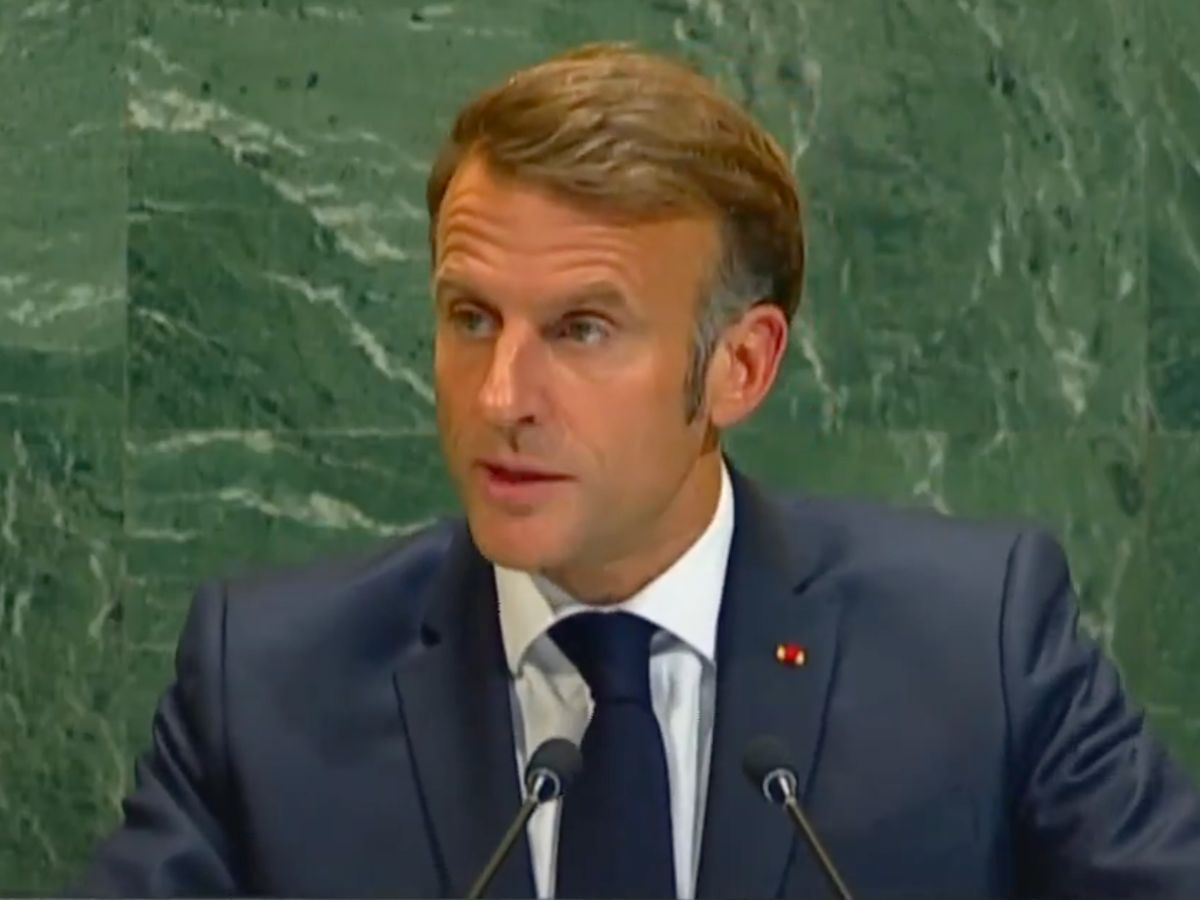

France’s outgoing Prime Minister Sébastien Lecornu said on Wednesday that President Emmanuel Macron could appoint a new prime minister within the next 48 hours, as efforts continue to pull the country out of a deepening political crisis.
According to the Élysée Palace, a majority of lawmakers have opposed the idea of dissolving parliament, creating what it called “a platform for stability” and a path to adopt the national budget before December 31. “On this basis, the President of the Republic will appoint a Prime Minister within the next 48 hours,” the presidential office said in a statement.
Lecornu, France’s fifth prime minister in just two years, resigned on Monday along with his cabinet—barely hours after unveiling the new government lineup—making it the shortest-lived administration in modern French history. However, at Macron’s request, Lecornu continued consultations with political leaders across the spectrum, from centre-left to centre-right, in hopes of easing tensions.
Prime minister in next 48 hours?
“I feel a path is still possible,” Lecornu told France 2 TV, adding that while reaching a deal on the 2026 budget will be challenging, the risk of Macron having to call a snap parliamentary election has decreased. “I told the President of the Republic that the situation allows for him to appoint a prime minister in the next 48 hours,” he said.
France is grappling with political paralysis after no party secured a clear majority in parliament. The deadlock has hindered key policy decisions, including efforts to repair the country’s strained finances.
Despite Lecornu’s optimism, opposition voices remain defiant. Far-right National Rally lawmaker Laure Lavalette accused Macron of “buying time,” while RN leader Marine Le Pen said she would oppose any deal, renewing her demand for fresh elections. “Enough now the joke has gone on long enough,” she told reporters.
On the left, France Unbowed leader Jean-Luc Mélenchon reiterated that the only way forward is for Macron to resign, signalling that the President’s path to stability remains fraught with political resistance.
Sofia Babu Chacko is a journalist with over five years of experience reporting on Indian politics, crime, human rights, gender issues, and stories about marginalized communities. She believes journalism plays a crucial role in amplifying unheard voices and bringing attention to issues that truly matter. Sofia has contributed articles to The New Indian Express, Youth Ki Awaaz, and Maktoob Media. She is also a recipient of the 2025 Laadli Media Awards for gender sensitivity. Beyond the newsroom, she is a music enthusiast who enjoys singing. Connect with Sofia on X: https://x.com/SBCism




