
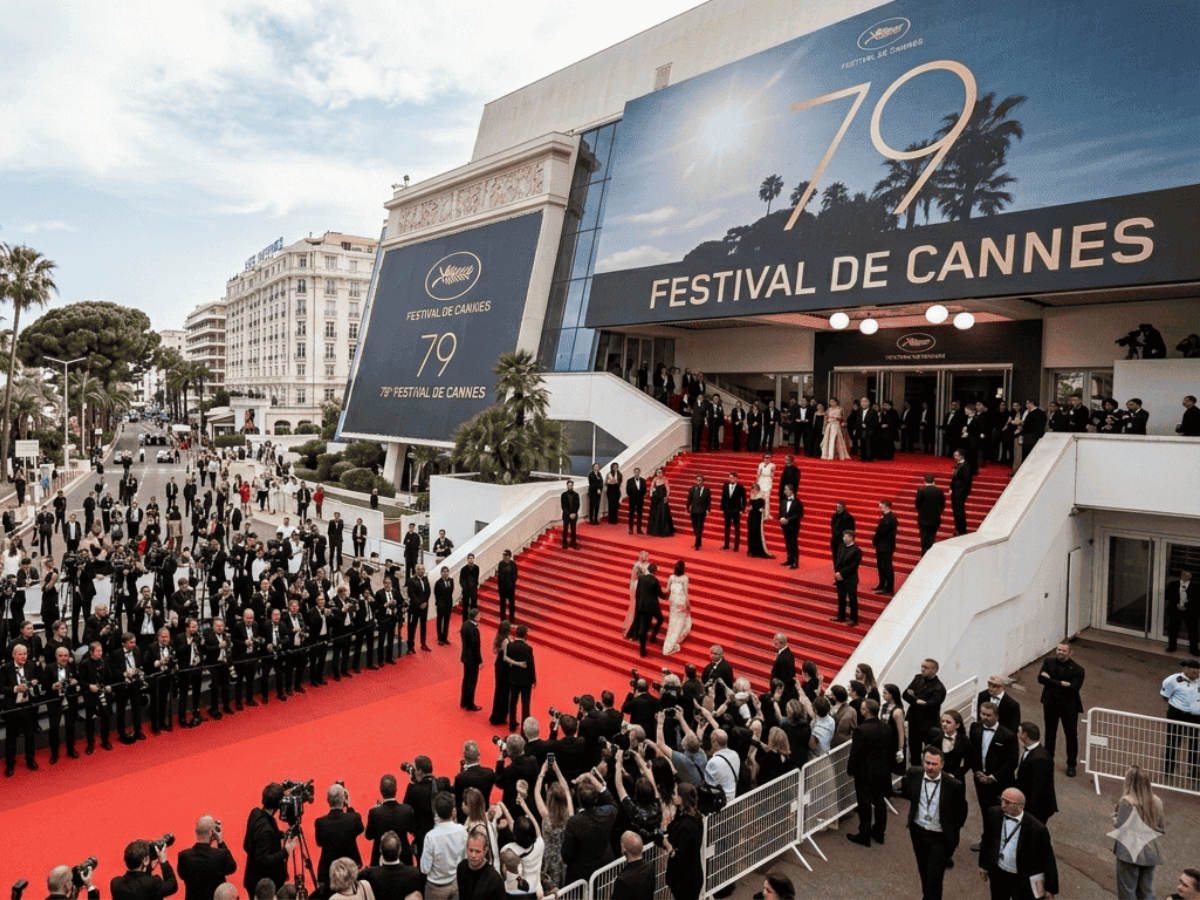
Every year, thousands of photographers gather outside the Palais des Festivals in southern France, waiting for the biggest stars in cinema to climb the famous red steps of Cannes. But while the world often sees the fashion, flashbulbs, and celebrity appearances first, the Cannes Film Festival is far more than just a glamorous red-carpet event.
Widely considered the most prestigious film festival in the world, Cannes has spent decades shaping global cinema, launching Oscar-winning films and turning emerging filmmakers into international names.
What is the Cannes Film Festival?
The Cannes Film Festival, officially known as Festival de Cannes, is an annual international film festival that celebrates artistic achievement in cinema. Filmmakers from around the world premiere their films at Cannes, often months before wider theatrical release.
The festival is best known for showcasing auteur-driven cinema, independent films and ambitious international storytelling. Over the years, Cannes has premiered films from directors such as Quentin Tarantino, Martin Scorsese, Bong Joon-ho, Jane Campion and Pedro Almodóvar. Unlike mainstream award shows, Cannes focuses heavily on artistic storytelling and cinematic innovation rather than box office numbers.
Cannes Film Festival 2026: Date
The 79th Cannes Film Festival will take place from May 12 to May 23, 2026, on the French Riviera in Cannes, France. This year’s jury is being led by acclaimed South Korean filmmaker Park Chan-wook, alongside names including Demi Moore, Chloé Zhao and Stellan Skarsgård.
Why was the Cannes Film Festival created?
Interestingly, Cannes was born out of politics. Yes, you read it right! The festival was originally conceived in the late 1930s as an alternative to the Venice Film Festival, which had come under the influence of fascist political regimes during World War II. French diplomat Philippe Erlanger pushed for a new international festival that would celebrate cinema independently and democratically.
Although the first planned edition in 1939 was interrupted by the outbreak of World War II, Cannes officially launched in 1946 and gradually became the biggest event in world cinema.
Today, the festival attracts filmmakers, distributors, critics and studios from nearly every major film-producing country.
What is the Palme d’Or, and how do Cannes awards work?
The highest honour at Cannes is the Palme d’Or, often described as one of the most prestigious awards in cinema. The prize is awarded to the best film in competition by an international jury.
Apart from the Palme d’Or, Cannes also hands out several major awards, including:
- Grand Prix
- Jury Prize
- Best Director
- Best Actor
- Best Actress
- Best Screenplay
The festival also recognises emerging filmmakers through categories like Un Certain Regard and the Caméra d’Or for debut features.
Winning at Cannes can completely transform a film’s future. Movies that perform well at the festival often go on to dominate international awards season, including the Oscars.
Why does Cannes still matter so much today?
In an era dominated by streaming platforms and social media, Cannes still holds enormous influence within the film industry. For filmmakers, a Cannes premiere can instantly generate global attention, critical acclaim and international distribution deals. Industry experts often describe Cannes as the place where cinema trends begin before spreading across awards season worldwide.
At the same time, Cannes has evolved into a cultural phenomenon that blends cinema, fashion and celebrity influence. Luxury brands, studios and streaming platforms all compete for visibility during the festival, while the red carpet itself has become one of the most photographed events in entertainment.
But beneath the glamour, Cannes continues to serve its original purpose: celebrating bold filmmaking from around the world. And in an industry increasingly driven by franchises and algorithms, that mission may matter now more than ever.





