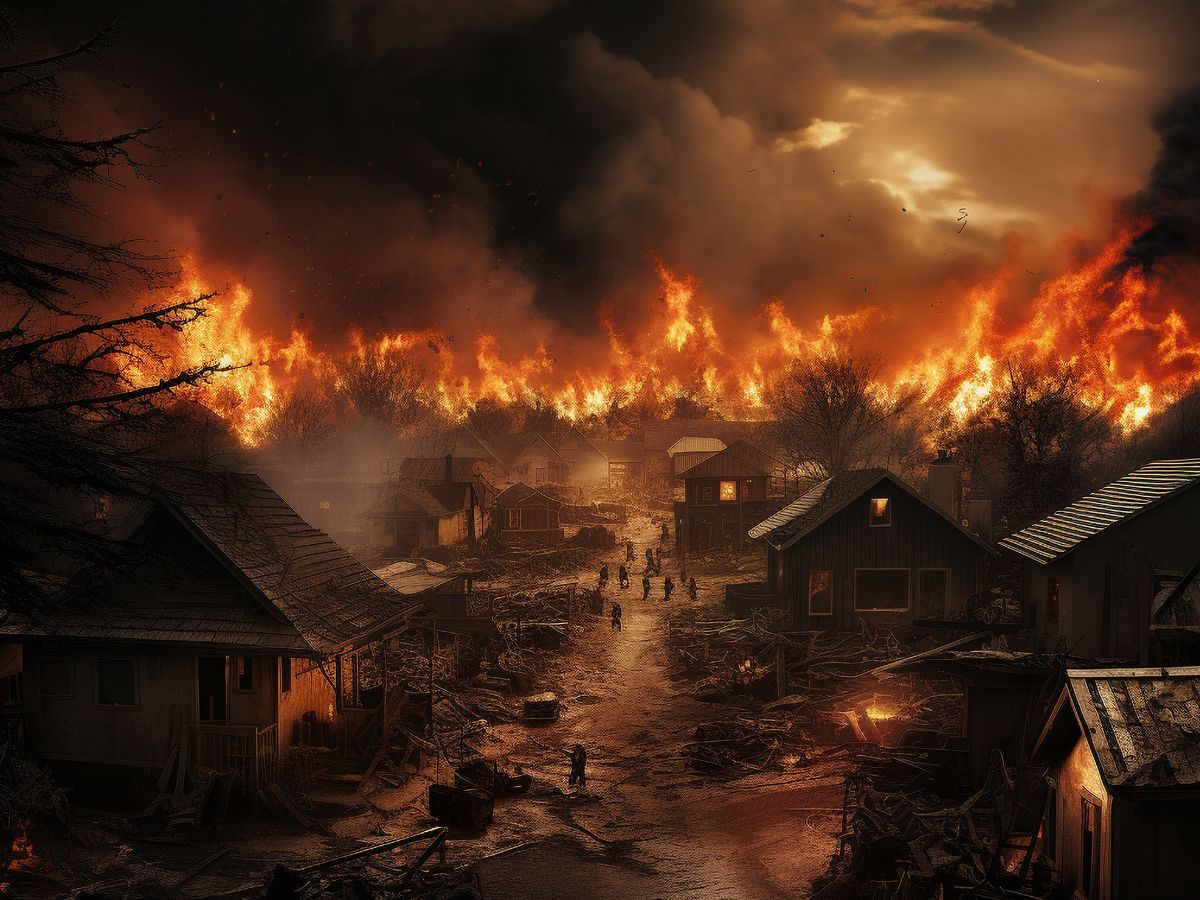

The town of Jharia, deep in the eastern part of the Indian state of Jharkhand, is one place where the earth itself will not cool. An unfathomable enemy, an enormous and extensive underground fire consuming the rich seams of coal below the lives and houses of its citizens, has been gnawing at Jharia for over 109 years.
The fires began with unscientific and unplanned mining in 1916, and since then, have transformed this coal-rich basin into a geological time bomb. A constant menace, sinkholes develop as cracks in the ground, expelling noxious gases, while in some areas, the surface temperatures induce searing heat.
After countless rehabilitation efforts and enormous amounts of money spent, fighting to extinguish the fire remains one of the greatest environmental and engineering challenges globally, leaving a community literally living on borrowed, burning ground.
Coal Seam Catastrophe
The Jharia coalfield, which is home to one of India’s greater reserves of prime coking coal, is very important for steel production. The exposure of coal seams to air leads to spontaneous combustion, which is much accelerated by the movement of gases through interconnected tunnels and fissures created by past mining.
This sustained burning underground consumes a valuable energy resource, as well as the release of a huge amount of toxic gases such as carbon monoxide and sulfur dioxide in the form of continuous plumes of smoke with consequent adverse effects on the air quality and health of the local population. Reportedly, the flames have engulfed over 12 sq km of the coalfield.
Resettlement Roadblocks
As challenging as managing humanitarian crises is, setting fires is urgent. The continual threat of land subsidence and inhalation of gas from underground workings has made an immediate evacuation necessary for hundreds of families living in the most dangerous zones.
The government-prepared Jharia Master Plan is to resettle over 100,000 people into safer places. However, the process is fraught with problems: snail pace of progress, resistance from the residents attached to their ancestral land and means of livelihood, and the sheer size of the area mandated for rehabilitation.
The fire at Jharia remains a hinaunting reminder of the prolonged environmental and social implications of unchecked industrial exploitation.
A recent media graduate, Bhumi Vashisht is currently making a significant contribution as a committed content writer. She brings new ideas to the media sector and is an expert at creating strategic content and captivating tales, having working in the field from past four months.