
7 Daily Habits That Are Secretly Spiking Your Blood Sugar
You may eat healthy yet still spike blood sugar. Discover everyday habits that quietly disrupt glucose balance and simple lifestyle changes.

When “Healthy” Isn’t Always Stable
Many people eat nutritious foods but still experience energy crashes and cravings. Often, blood sugar spikes come from daily habits rather than obvious junk food, making them harder to notice and control.
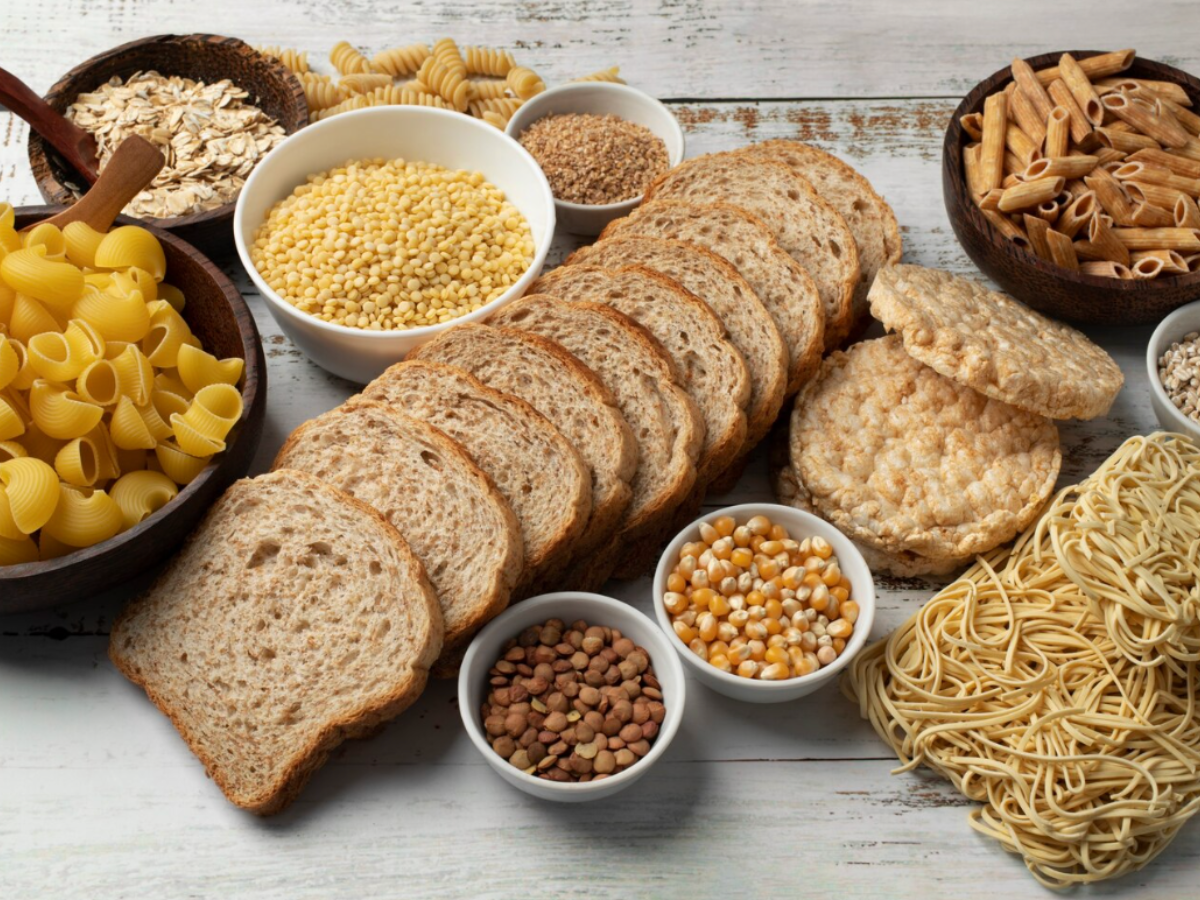
Starting the Day with Carbs Alone
Eating only carbohydrates for breakfast can raise blood sugar quickly. Without protein or healthy fats to slow digestion, glucose rises fast and drops just as quickly, leading to fatigue and hunger.

Drinking Calories Instead of Eating Them
Sugary drinks, smoothies, and sweetened coffees deliver sugar rapidly into the bloodstream. Liquids digest faster than solid food, increasing the chance of sudden glucose spikes and crashes.

Staying Seated After Meals
Remaining inactive after eating slows glucose uptake. Light movement helps muscles absorb sugar efficiently, while prolonged sitting allows blood sugar to stay elevated longer than necessary.

Constant Snacking Throughout the Day
Frequent snacking keeps insulin levels high without giving the body time to reset. Even nutritious snacks can disrupt glucose balance when eaten continuously without proper meal spacing.
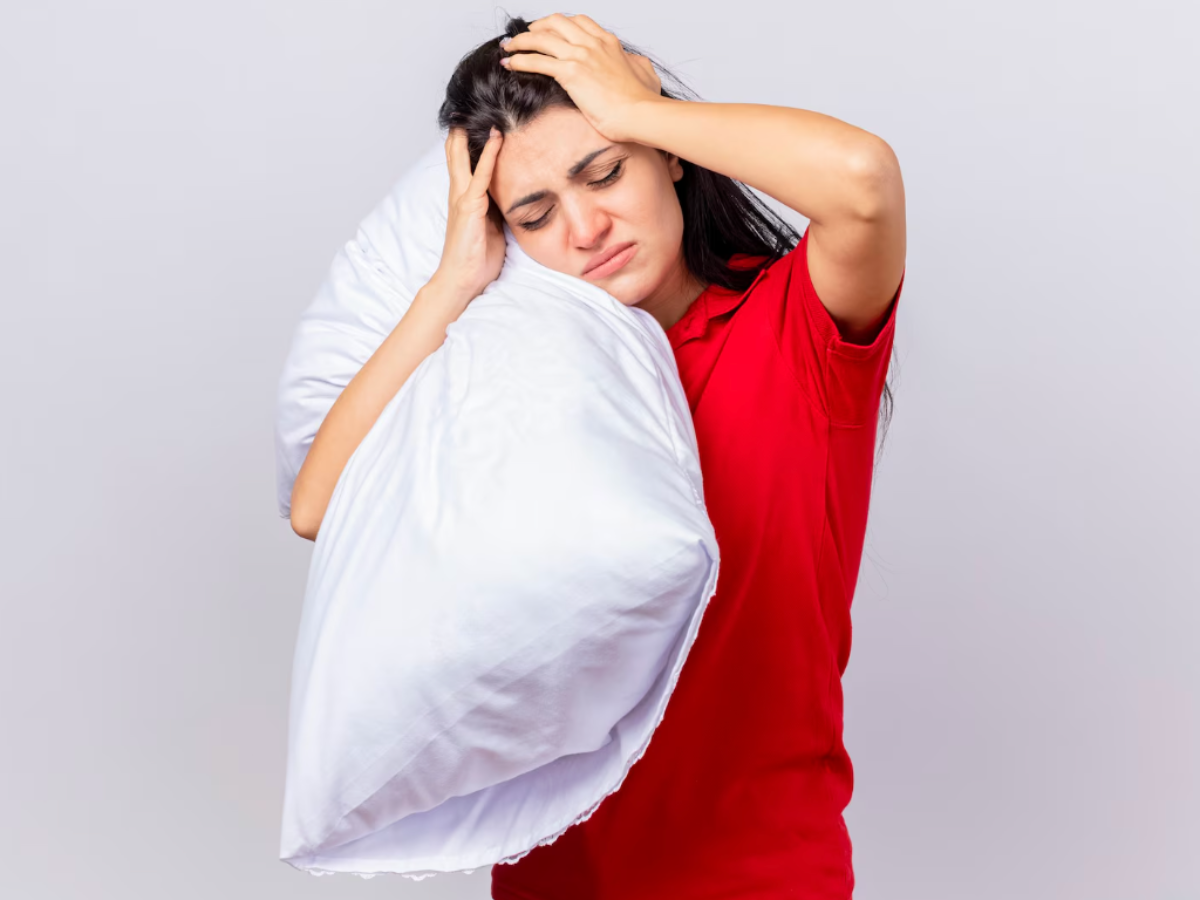
Not Getting Enough Sleep
Short or poor-quality sleep reduces insulin sensitivity. When the body is tired, it struggles to manage sugar efficiently, making blood sugar spikes more likely the following day.
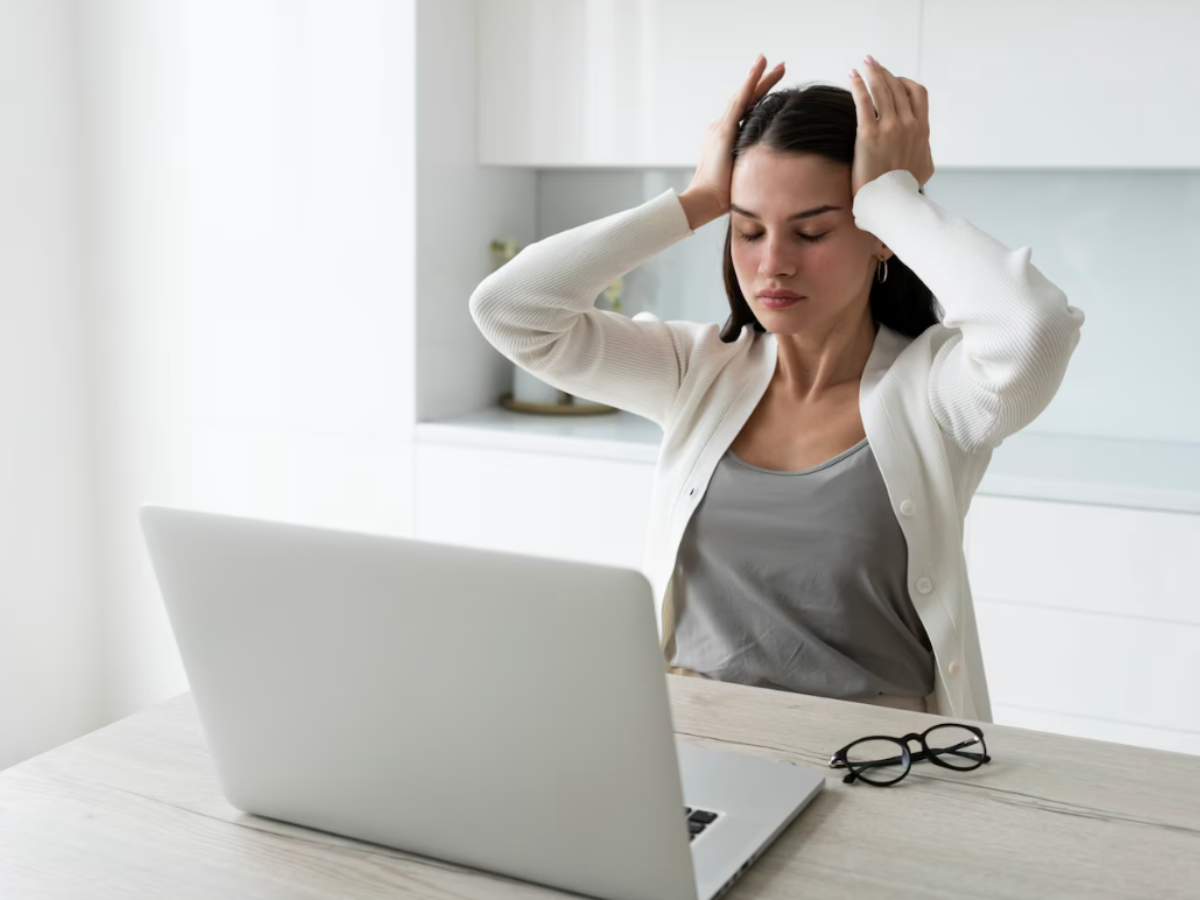
Stress and Sweet Endings
Chronic stress releases hormones that raise blood sugar. Ending meals with sweets especially without fiber or protein can further intensify glucose spikes and energy fluctuations.

Small Changes, Better Balance
Pairing carbs with protein, moving after meals, sleeping well, and managing stress can stabilize blood sugar. These simple daily adjustments often make a bigger difference than strict dieting.

Disclaimer
The information provided on this platform is for general informational and educational purposes only and is not a substitute for professional medical advice, diagnosis, or treatment. Always consult a qualified healthcare professional, dermatologist, or nutritionist regarding any health, fitness, or beauty concerns. Individual results may vary.




