
Inside the Monsoon Forest: What Happens When the First Rain Falls Will Surprise You
Monsoon Forests also known as Tropical Deciduous Forests, are one of the most dynamic ecosystems on Earth. They transform beautifully with the seasons, bursting into lush green life during rains and shedding leaves to survive dry months. These forests are found across India and other tropical regions, supporting rich biodiversity and unique ecological cycles.
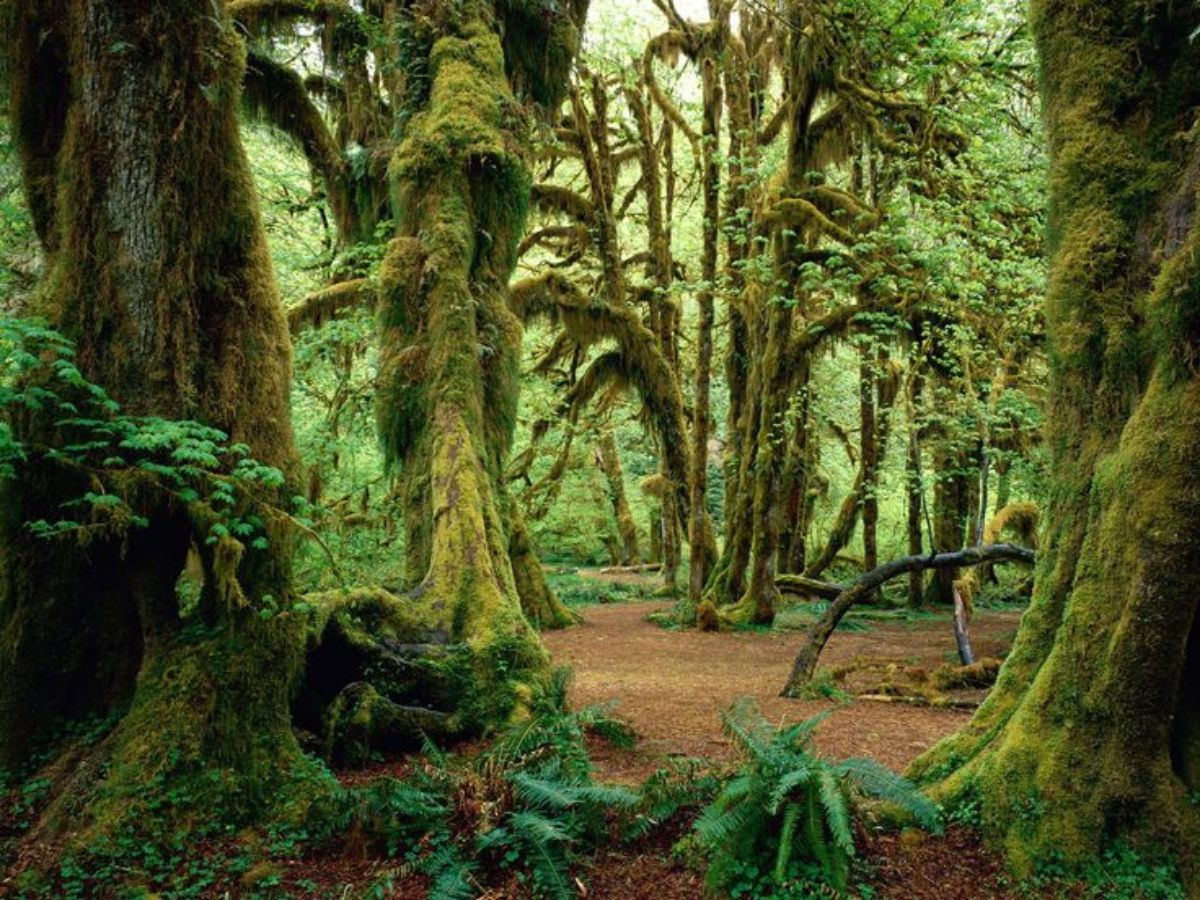
Which Forest is known as the Monsoon Forest?
Tropical Deciduous Forests are known as Monsoon Forests because they thrive in areas with a distinct wet and dry climatic pattern.
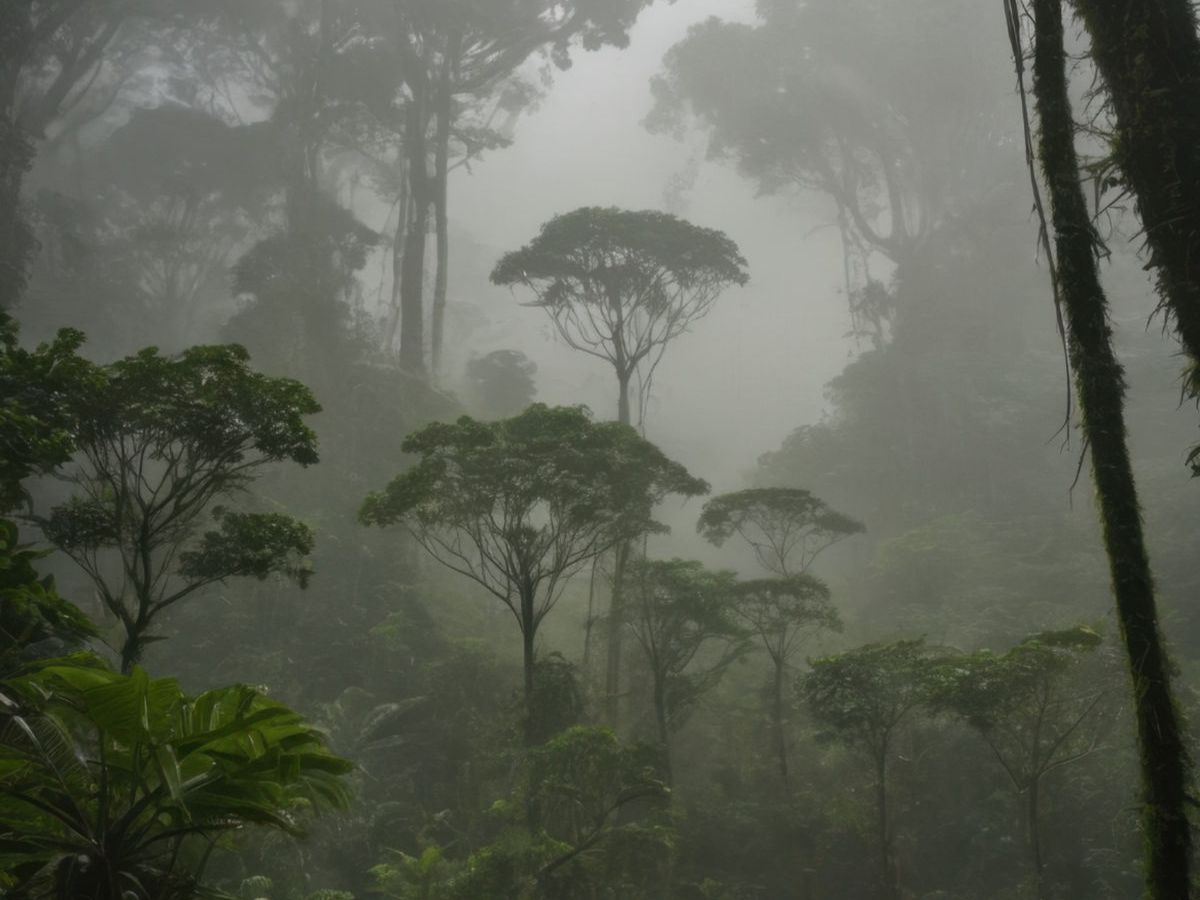
Rich Biodiversity
These forests support a wide variety of plants, birds, mammals, and insects. Iconic species like tigers, elephants, and deer thrive here. The diverse vegetation creates balanced food chains and habitats.

High Rainfall Dependence
Monsoon forests receive 100–200 cm of rainfall annually. Rains trigger new plant growth and wildlife activity. The ecosystem is directly shaped by monsoon patterns.
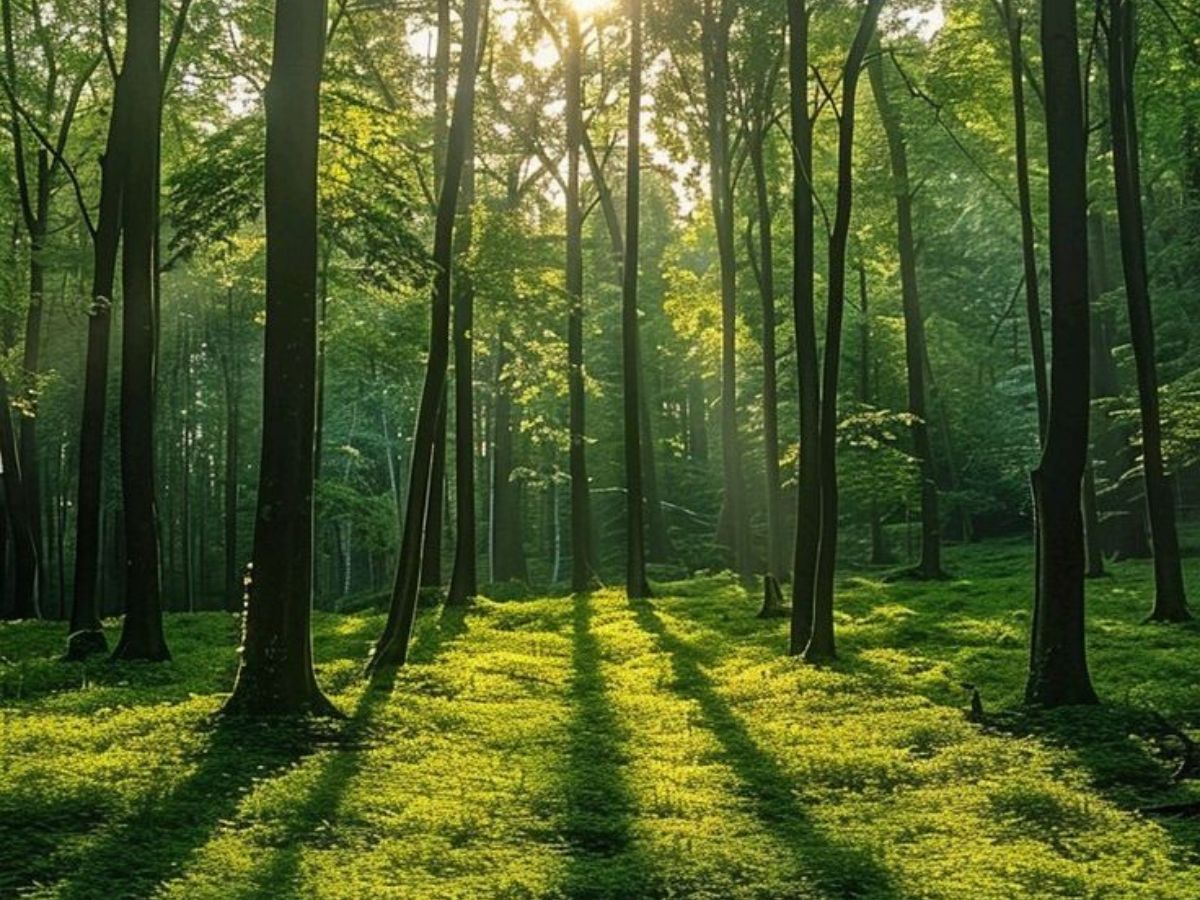
Dominance of Deciduous Trees
Trees such as teak, sal, sandalwood, and bamboo are common. They drop leaves during dry periods to reduce water loss. Their deep roots help them survive harsh climate shifts.
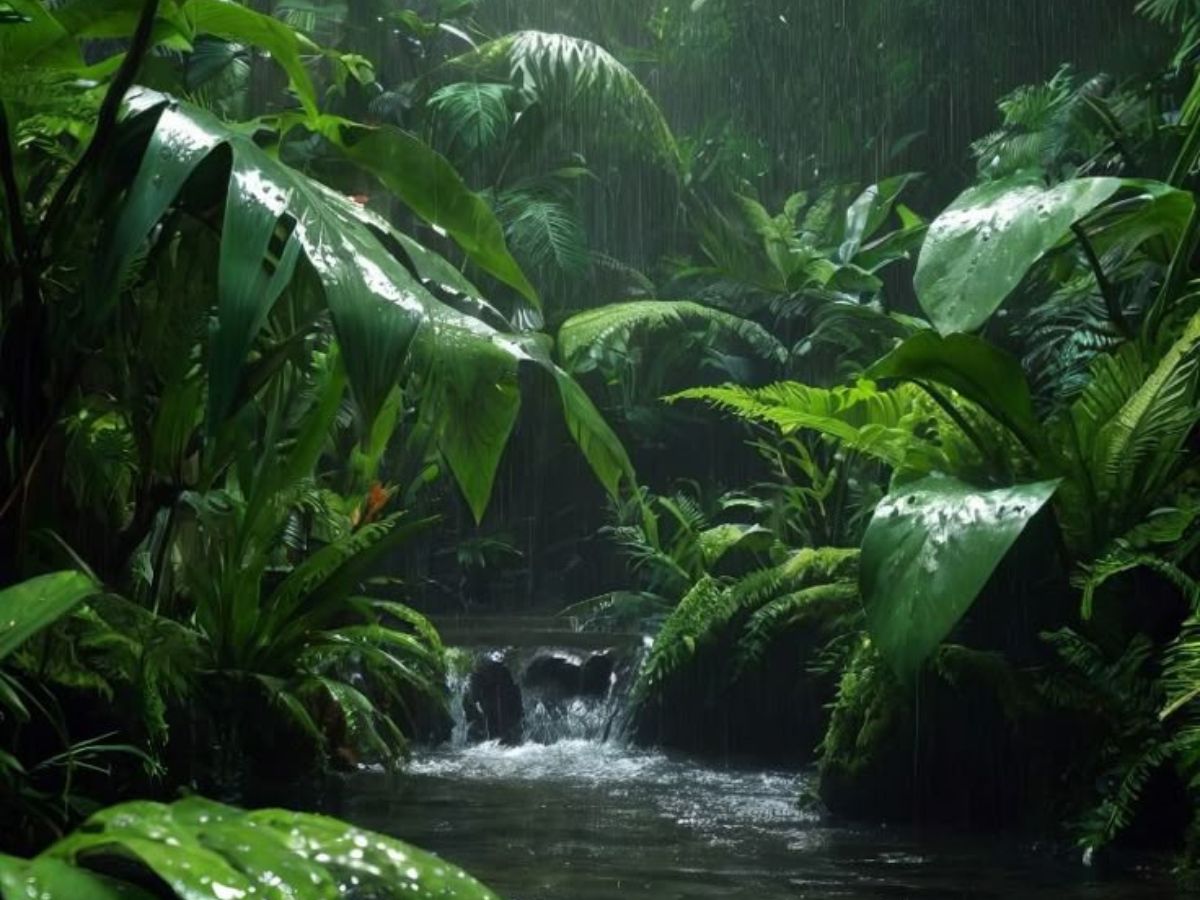
Spread Across Tropical Regions
These forests are found in India, Southeast Asia, Central America, and parts of Africa. They appear mostly in regions with long dry spells followed by heavy rains. In India, they cover large portions of Madhya Pradesh, Odisha, Chhattisgarh, and the Western Ghats.
Major Economic Importance
Monsoon forests provide valuable timber like teak and sal. They also support medicinal plants, fruits, and other forest resources. Local communities depend on them for livelihood and ecological balance.




