
‘Upcoming Solar Eclipse Date’: Where and When Can You See It?
From 2025 to 2028, skywatchers can look forward to five major solar eclipses, partial, annular, and total, visible across regions including Antarctica, Greenland, Spain, Chile, Argentina, and the Pacific Ocean. Dates, types, and visibility vary, offering rare opportunities for spectacular celestial views. Information is sourced from NASA Science and Time and Date.

Solar Eclipse Date: September 21, 2025 (Partial Solar Eclipse)
This eclipse will be over the Southern Pacific Ocean, Southern New Zealand, and Antarctica, giving some wonderful opportunities for partial views to the enthusiastic skywatchers.
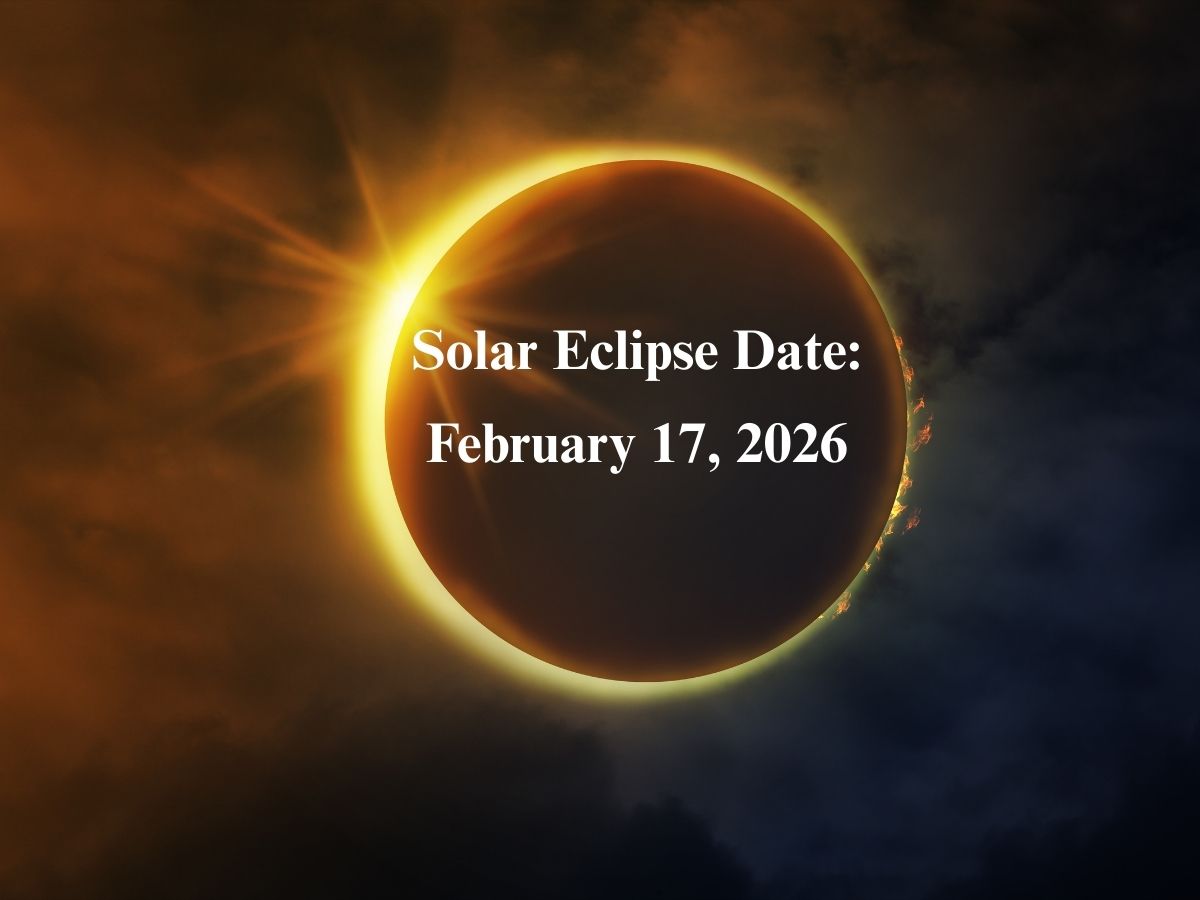
Solar Eclipse Date: February 17, 2026 (Annular Solar Eclipse)
This interesting "ring of fire" annular eclipse is mainly in view from Antarctica, with some partial views from the neighboring southern ocean regions, making it quite a tantalizing spectacle for the utmost heel-chasers!
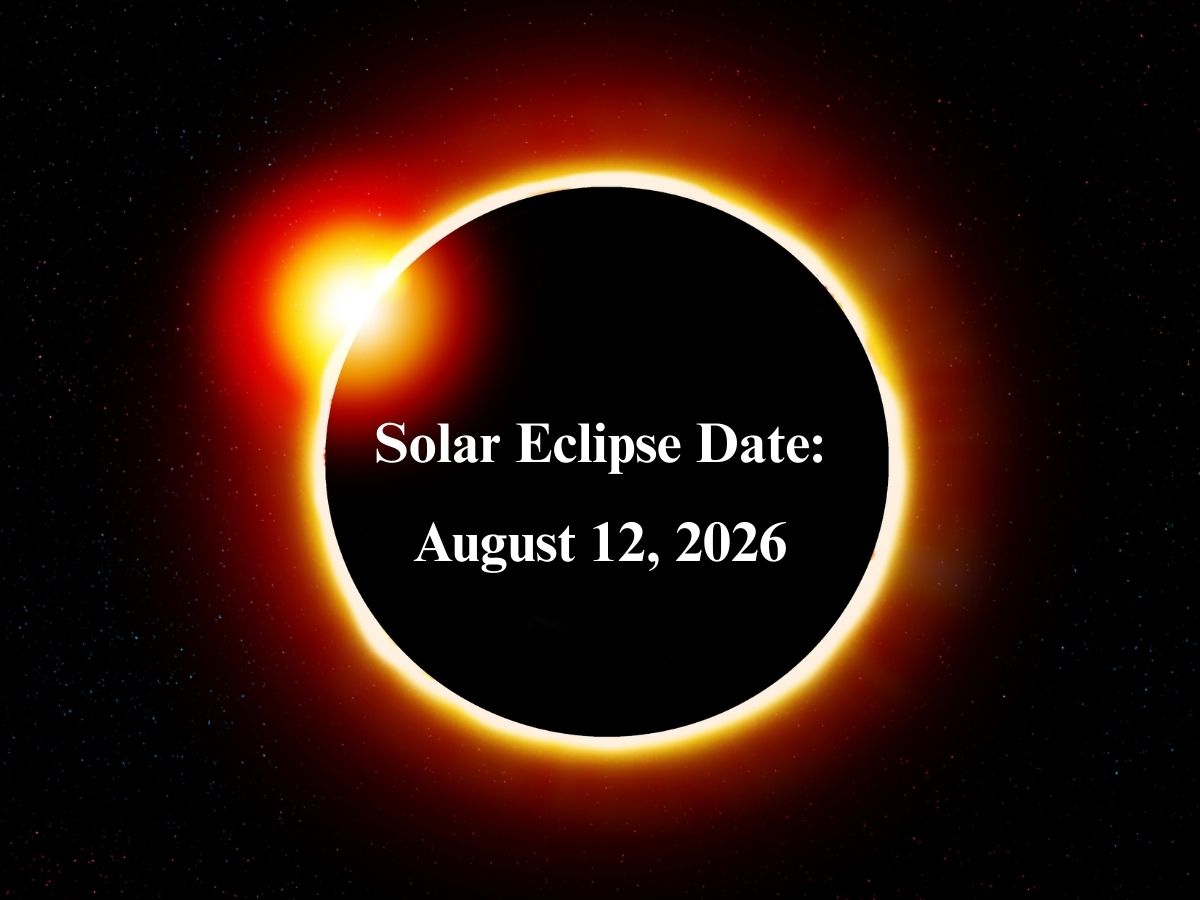
Solar Eclipse Date: August 12, 2026 (Total Solar Eclipse)
A total eclipse over Greenland, Iceland, Spain, and Russia would be an interesting spectacle as the Moon completely covers the Sun.
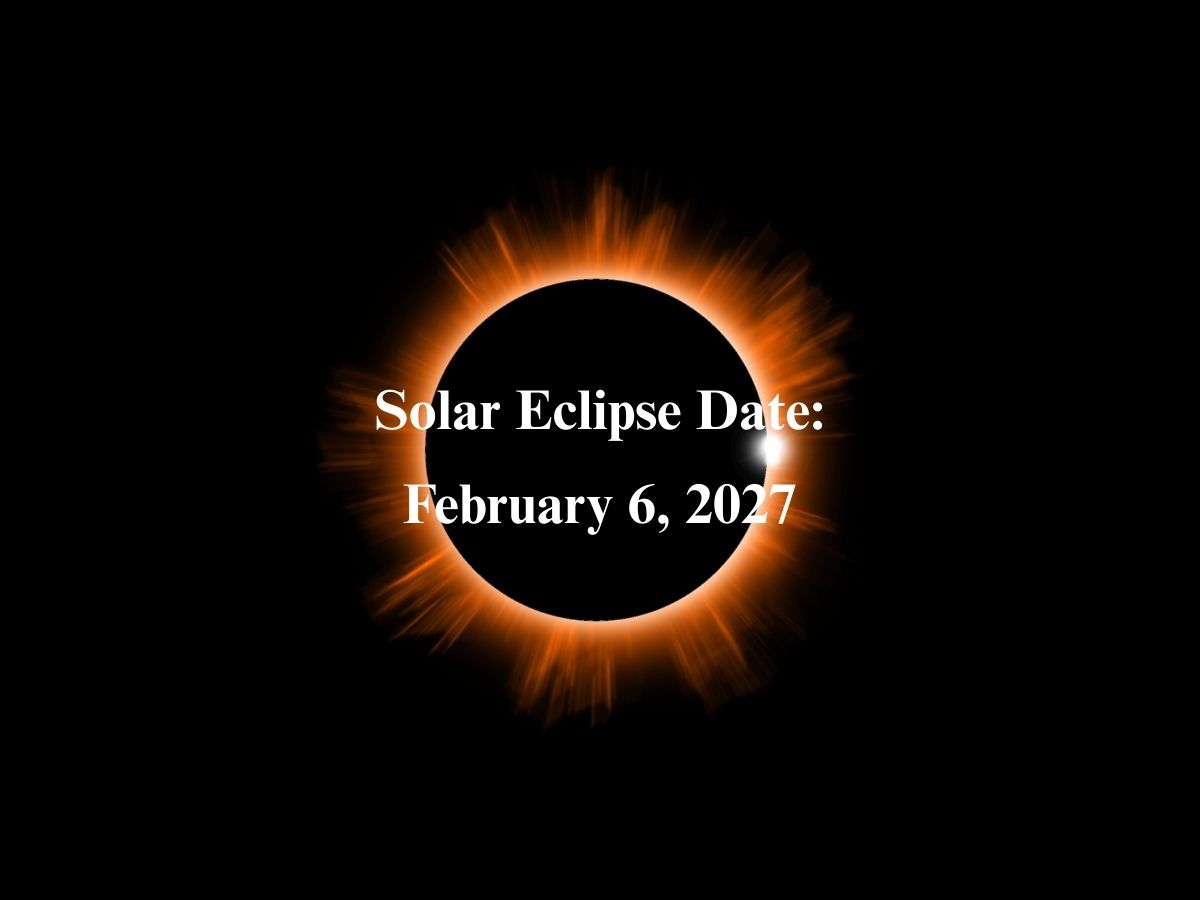
Solar Eclipse Date: February 6, 2027 (Annular Solar Eclipse)
The South Pacific skies and Southern Chile, Argentina, and the South Atlantic region are treated to an annular eclipse and a breathtaking ring of fire display.
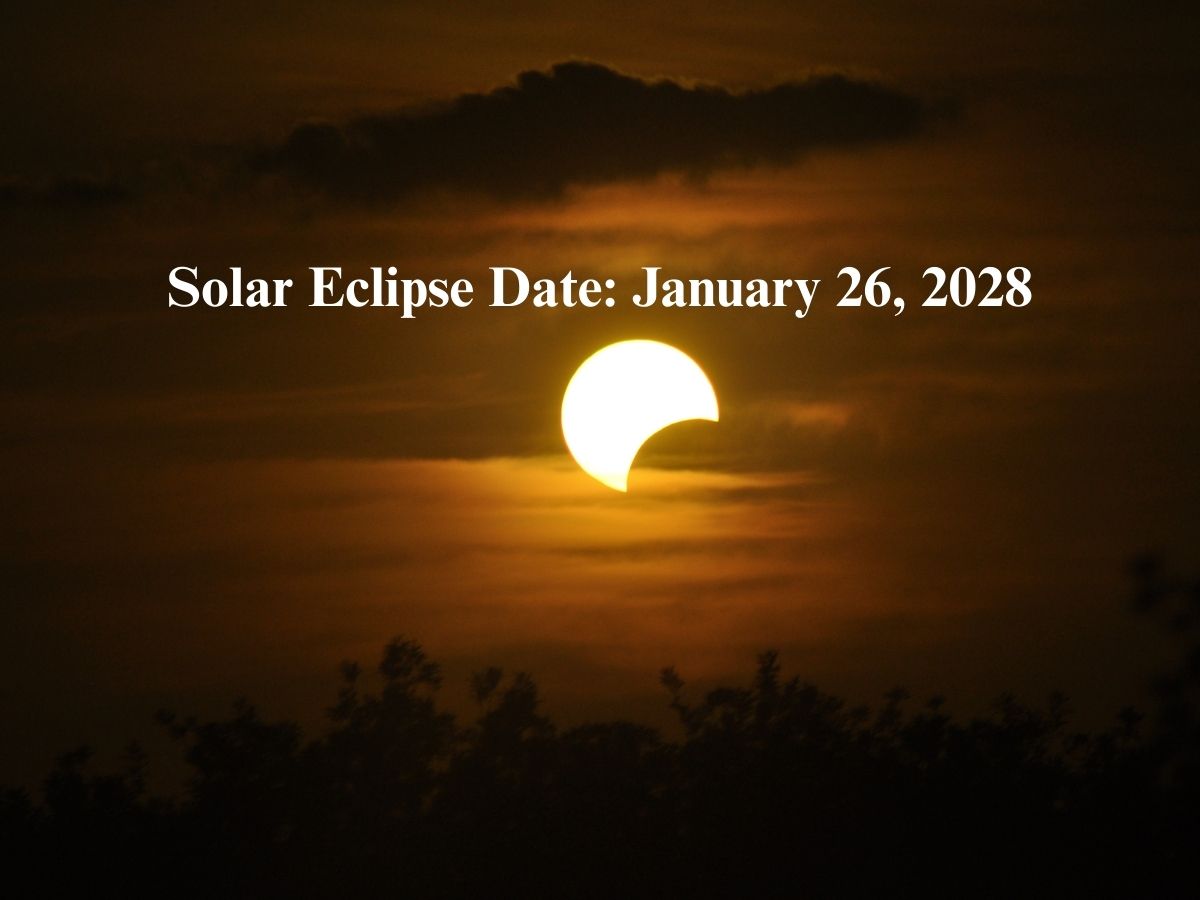
Solar Eclipse Date: January 26, 2028 (Annular Solar Eclipse)
The annular eclipse will be visible in the Pacific Ocean, southern Chile, and Argentina, and will be a breathtaking display for those along the eclipse path.

Disclaimer
This information is sourced from NASA Science and Time and Date. Safety guidelines should always be followed when observing any solar eclipse.




