
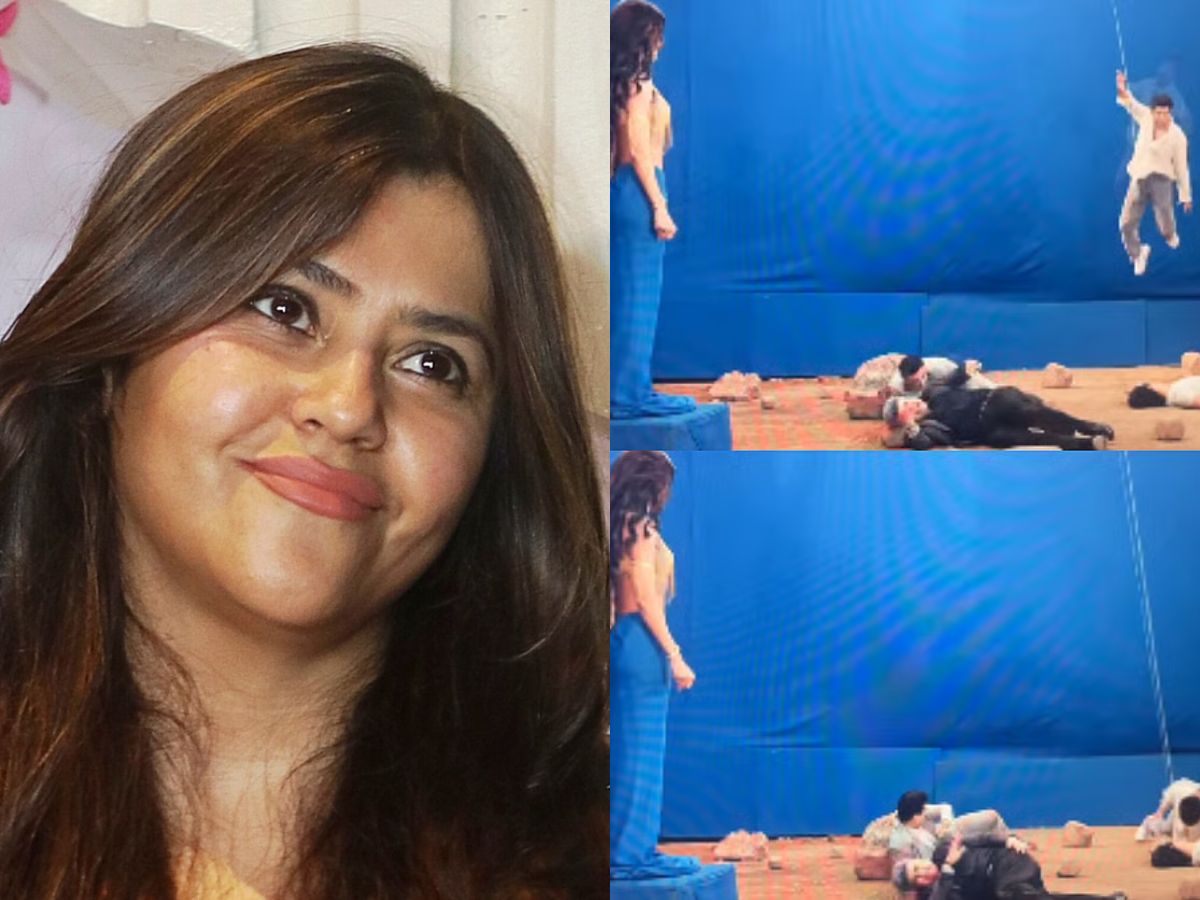

The supernatural world of Naagin 7 recently collided with a very mundane reality: an unfinished post-production timeline. Viewers were left baffled during a high-stakes action sequence featuring Priyanka Chahar Choudhary’s character, Ahana. A raw blue screen backdrop showed all the elements, including stunt wires and actors who were ready for a visual effects shoot that did not take place. The internet immediately seized on the glitch, with memes comparing the blunder to “running out of a free AI limit.” The production house had to recognize an unintentional technical error that transformed the intended dragon-transformation scene into a popular comedic disaster.
The Naagin 7 No-Budget Spectacle Paradox
The central issue of this dispute arises from the conflicts between high-concept storytelling and the continuous operation of Indian television shows. Ektaa Kapoor’s humorous admission that she needs Hollywood-level VFX for her projects which require dragons and airplanes, proves that industry practices show fundamental flaws. The series tries to create major visual effects to match the streaming platforms while the actual production work fails because of urgent deadlines.
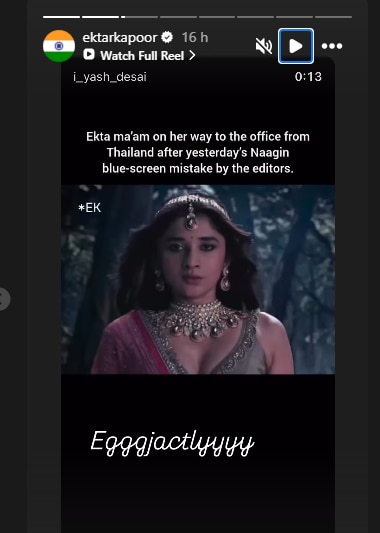
Ekta Kapoor used humor to assign blame to her writers whom she described as “AI-hungry” because the studio environment required editors to produce content at an impossible level. The incident demonstrates that established production companies face the same danger as others when they try to create cinematic excellence with limited resources dedicated to television production.
Raw Footage to Viral Trend
The present moment demonstrates that instant digital feedback allows people to use technical mistakes as starting points for discussion. The audience’s sharp eyes transformed a visible VFX breakdown into a trending topic, proving that today’s viewers are highly attuned to the mechanics of filmmaking. Kapoor chose to respond to negative feedback instead of giving a public apology because this strategy better suits current brand management methods.
Viral Blue Screen Blunder Raises Stakes for VFX Quality in the AI Era
By reposting memes and using self-deprecating humor, she effectively pivoted the narrative from a “failure of quality control” to a relatable “behind-the-scenes” moment. Fans now demand better visual fidelity than what this “innocent” defense presents as evidence. The blue screen has become a viral trend, which demonstrates to creators that their use of advanced AI-generated visuals and CGI technology will reduce their tolerance for mistakes while their current “raw footage” will become future meme content.
A recent media graduate, Bhumi Vashisht is currently making a significant contribution as a committed content writer. She brings new ideas to the media sector and is an expert at creating strategic content and captivating tales, having working in the field from past over 10 months.




