
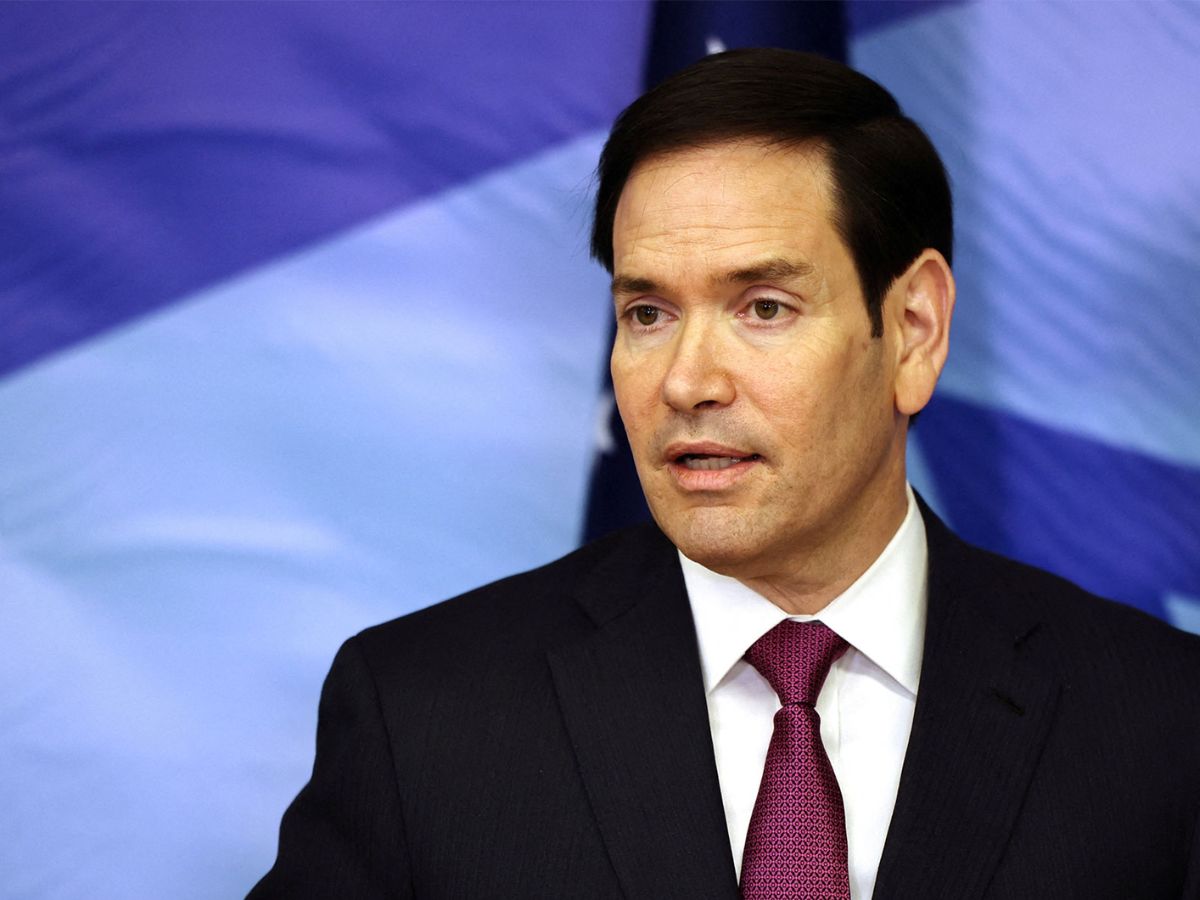

Marco Rubio: US Secretary of State Marco Rubio on Monday said reaching an agreement with Iran remains extremely challenging, citing the nature of Tehran’s leadership and decision-making structure.
Speaking in Budapest alongside Hungarian Prime Minister Viktor Orban, Rubio said Iran’s policies are shaped by its clerical establishment.
“Doing a deal with Iran is not easy. I said it yesterday, I’ll repeat it again today,” Marco Rubio stated. “Iran ultimately is governed by Shia clerics, radical Shia clerics. These people make policy decisions on the basis of pure theology.”
Rubio:
Doing a deal with Iran is not easy. I said it yesterday, I’ll repeat it again today.
We have to understand that Iran ultimately is governed, by Shia clerics, radical Shia clerics ( in other words – people of God ) pic.twitter.com/g3ZR2rpVIG
— Dr Tariq Tramboo (@tariqtramboo) February 16, 2026
Despite acknowledging the complexity of negotiations, Rubio said Washington would continue diplomatic efforts. His remarks come amid heightened tensions over Iran’s nuclear programme and regional activities, with ongoing efforts to prevent further escalation.
Marco Rubio Warns Against Over-Dependence On Single Economies
Turning to global economic security, Marco Rubio cautioned against excessive reliance on any one country for critical goods and supply chains.
“It’s not good for anybody to rely on one country or one economy for 90% of anything, especially critical supply chains,” he said.
He clarified that diversification efforts should not be viewed as a move specifically targeting China. “That’s not an anti-China thing. That’s just the reality that over-dependence on one source is not good, especially when there was a willingness in the past to use it as leverage,” Rubio added.
Calls For Continued US-China Engagement
At the same time, Marco Rubio stressed the importance of maintaining relations between Washington and Beijing. Given China’s population size, economic strength, and nuclear capabilities, he described it as “crazy” for the two powers not to engage with each other.
The comments reflect the Biden administration’s broader approach of balancing strategic competition with diplomatic engagement, particularly as geopolitical tensions remain high across multiple fronts.
ALSO READ: Muhammad Yunus Resigns As Bangladesh Interim Leader Ahead Of Tarique Rahman’s Oath-Taking




