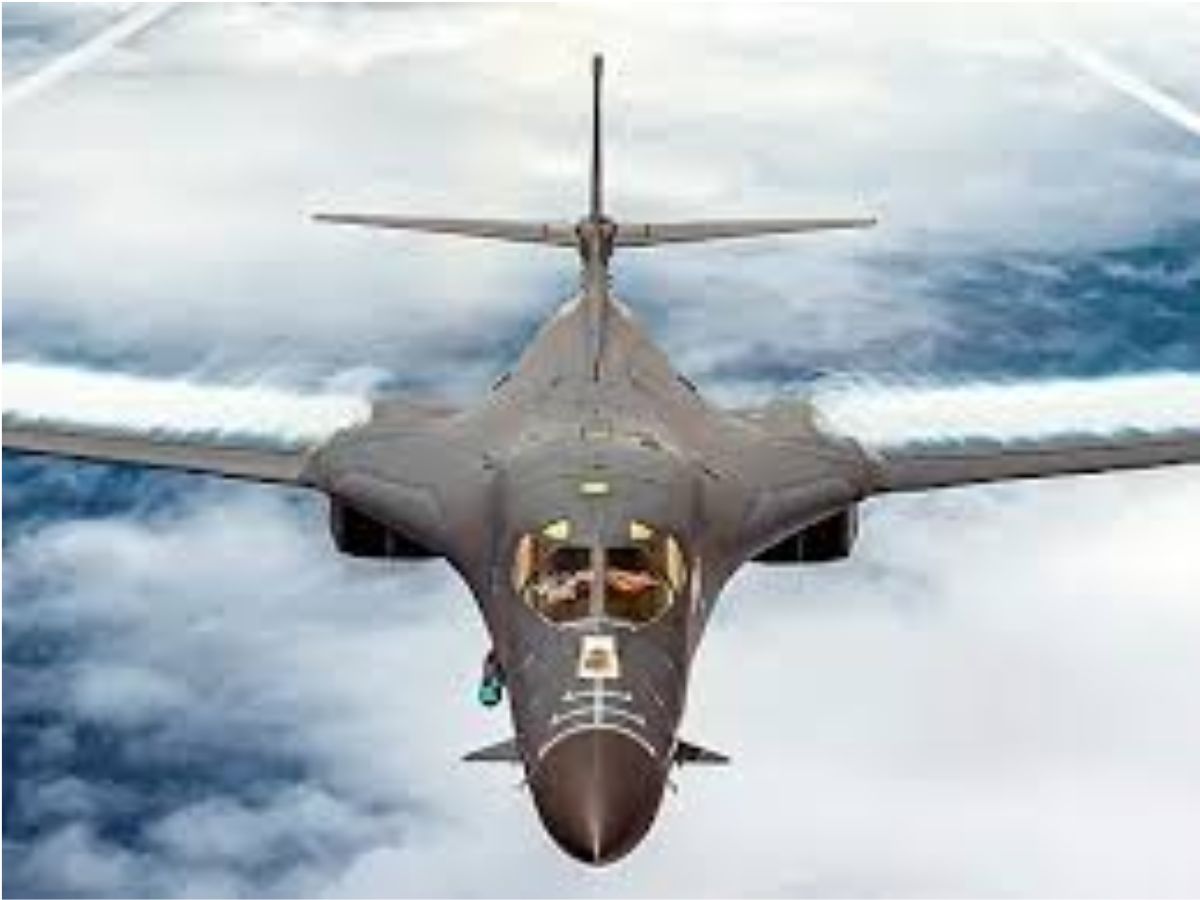

The US Air Force is modernizing its B-1B Lancer bomber to boost its combat power before the new B-21 Raider arrives. Here are the top five reasons for the upgrade:
- Increased Payload Capacity: With new Load Adaptable Modular (LAM) pylons, the B-1B can carry 50% more weapons, including heavier and hypersonic missiles, enhancing strike capabilities.
- Advanced Weapon Systems: The upgrades enable carrying modern smart bombs and hypersonic weapons that can target deeply buried and fortified enemy locations.
- Improved Avionics and Electronic Warfare: Enhanced targeting pods, radar, communication, and electronic countermeasures make the bomber more effective in contested environments.
- Engine Refurbishment: Engine upgrades maintain the bomber’s speed and reliability for sustained missions.
- Extended Operational Life: The modernization ensures the B-1B remains a potent strike platform until the B-21 becomes fully operational around 2035.
Despite being a Cold War-era aircraft, the B-1B’s speed, range, and payload make it vital for current and future US global strike missions. The modernization program—known as BEAST (B-1 Embracing Agile Scheduling Team)—allows quick and incremental upgrades, keeping the bomber ready for evolving threats.
By investing in the B-1B’s upgrade, the Air Force ensures a seamless transition to next-generation bomber capabilities, maintaining airpower superiority amid increasing global challenges.
Information is based on publicly available defense reports and official statements. Specific technical details or timelines may vary as updates are released by the US Air Force or Department of Defense.
Vani Verma is a content writer with over 2 years of experience in lifestyle, entertainment, health and digital media. She has a knack for creating engaging and research-driven content that resonates with readers, blending creativity with clarity. Passionate about media trends, culture, and storytelling, she strives to craft content that informs, inspires, and connects.