
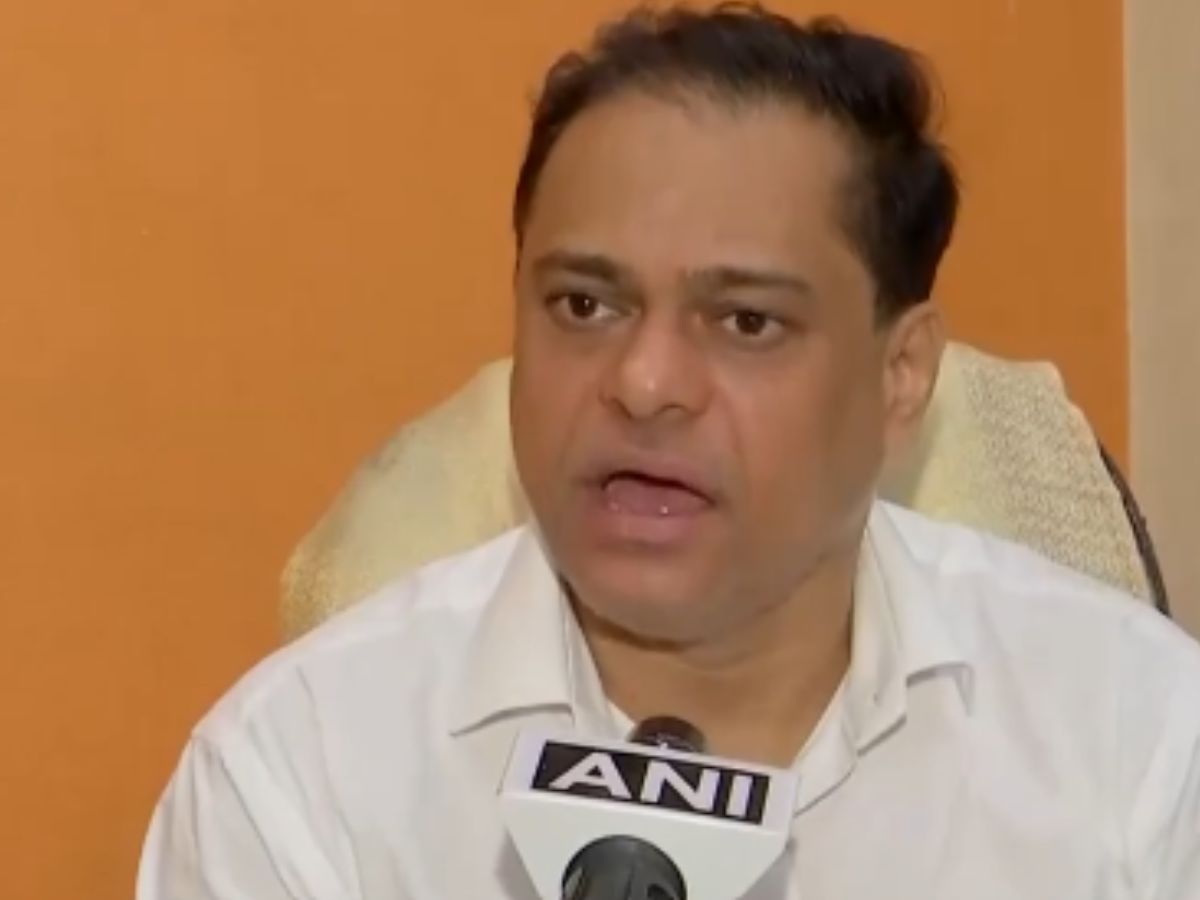

The recent case of Zohran Mamdani, an Indian-origin democratic socialist, winning the mayorship in New York City has caused much political controversy in Mumbai, with the local BJP chief, Ameet Satam, giving an incendiary warning ahead of the ensuing Municipal Corporation of Greater Mumbai, or BMC elections. Satam went on social media to say that the party “will not allow any Khan to become mayor” of our economic capital of India.
He simply juxtaposed this New York outcome with the political happenings in Mumbai and cautioned Mumbaikars to remain vigilant against what he calls “vote jihad” and the imposition of a ‘Khan’ on Mumbai.” This has, of course, sparked quite a political storm, with opposition parties rejecting Satam’s statements as a blatant attempt to communalize the civic polls.”
The BJP leader justified his comments by saying he was looking out for the city against political forces seeking to divide the society on religious lines in order to gain power.
Political Communalization
The remarks made by Satam have been interpreted by critics as an attempt to insidiously introduce a communal narrative into the highly charged BMC elections-the most significant local body polls in the country.
The BJP leader’s statement sounds like a preparation for creating an in-group/out-group base for the mayoral post, which is not a direct pitch by the public. Rather, it is expected to be chosen by the elected corporators.
Such an affair becomes alarming by bringing in a certain surname, that of a common Muslim surname, thereby shifting the campaign from issues of civic governance and development, which for BMC are vital, and into identity politics.
This has become quite evident over the discourse of opponents in the MVA camp, who have attacked the BJP on its polarization tactics and objected that such communal rhetoric was indicative of BJP’s fear of losing command over the richest civic body in the country. Now, the debate turns to whether this will be an election of development or an election over religious identity.
Global Event, Local Reaction
Mamdani’s victory and its dramatic fallout are a testimony to the current hyper-sensitiveness around identity and political succession in Mumbai’s governance. Winning on a progressive working-class platform, Mamdani, 34 years old, became in New York the first Muslim, South Asian, and youngest mayor in a hundred years.
The instant linkage drawn by the Mumbai BJP chief between this victory to a potential political threat in Mumbai indicates an evident sense of vulnerability felt by the ruling coalition ahead of the civic body polls. Historically, control over the BMC has been the subject of fierce contention, often with themes of local Marathi identity against ‘outsiders’.
Satam’s use of the term ‘Khan’ is viewed as a new age way of this narrative, trying to create fear among a segment of the voters about demographic change and political hold over the city. The entire controversy sets a severely charged atmosphere for the upcoming municipal poll.
A recent media graduate, Bhumi Vashisht is currently making a significant contribution as a committed content writer. She brings new ideas to the media sector and is an expert at creating strategic content and captivating tales, having working in the field from past four months.




