
How to Control Cholesterol Naturally: Simple Diet, Exercise & Lifestyle Tips That Actually Work
High cholesterol is one of the leading risk factors for heart disease and stroke. Often called a “silent threat,” it usually shows no symptoms until serious damage is done. The good news? With the right diet, exercise, and lifestyle changes, you can effectively manage and even reduce your cholesterol levels naturally. Here’s a simple 5-slide guide to help you take control of your heart health.
What Is Cholesterol?
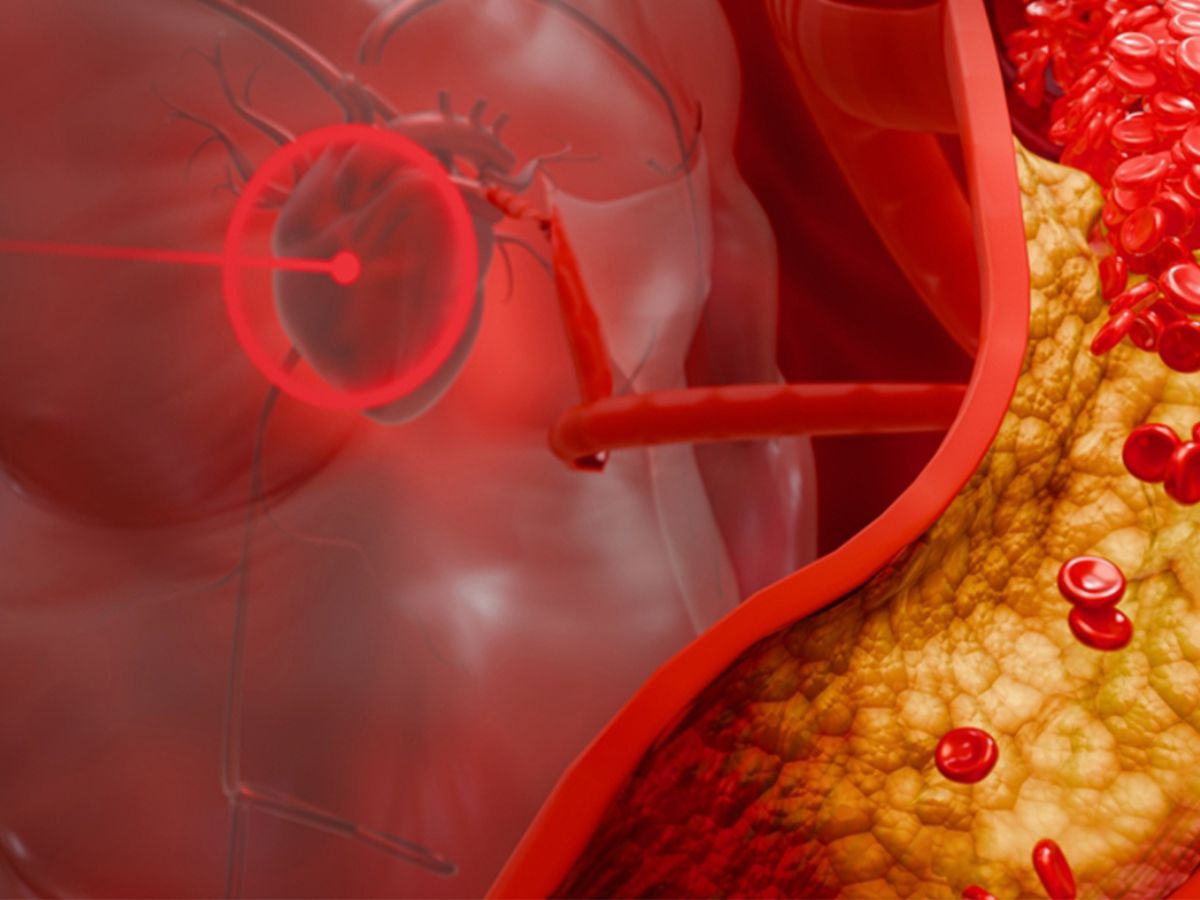
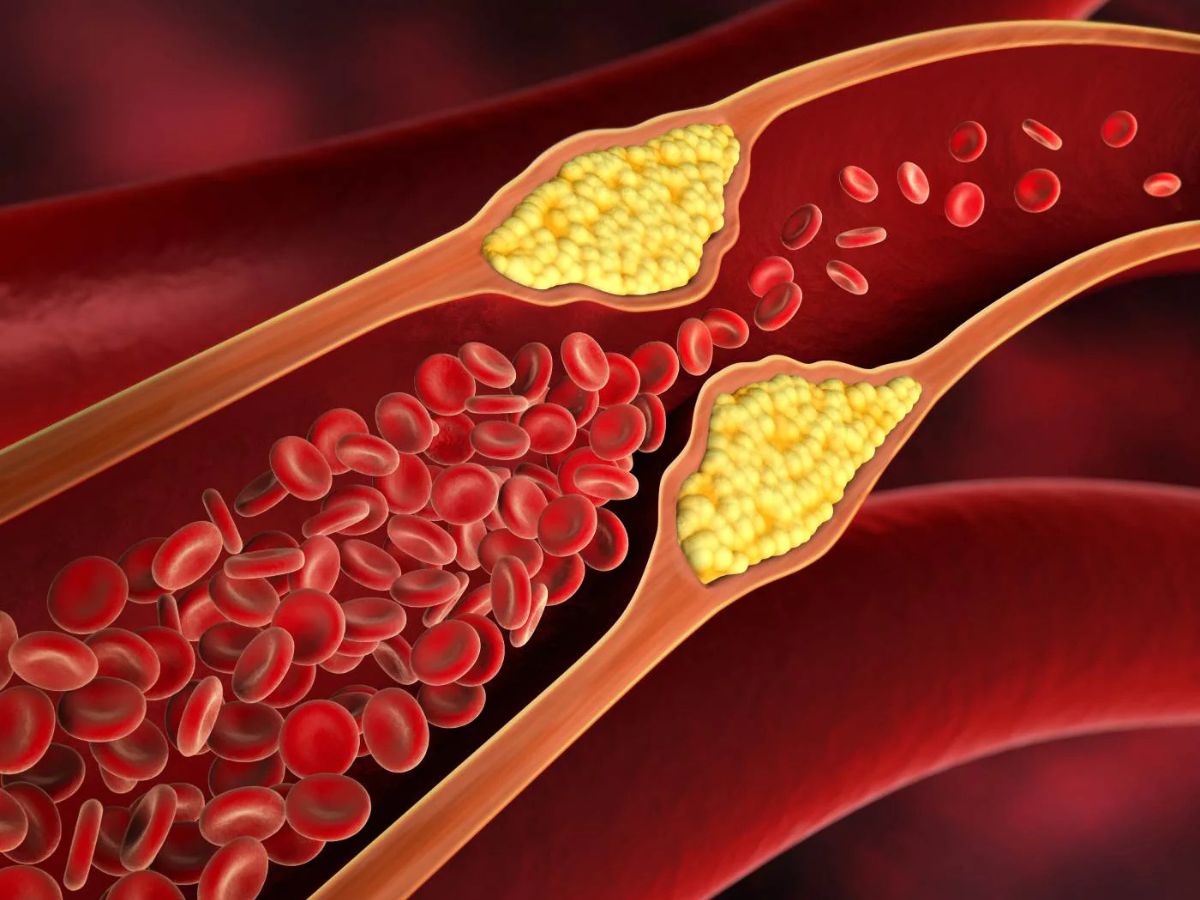
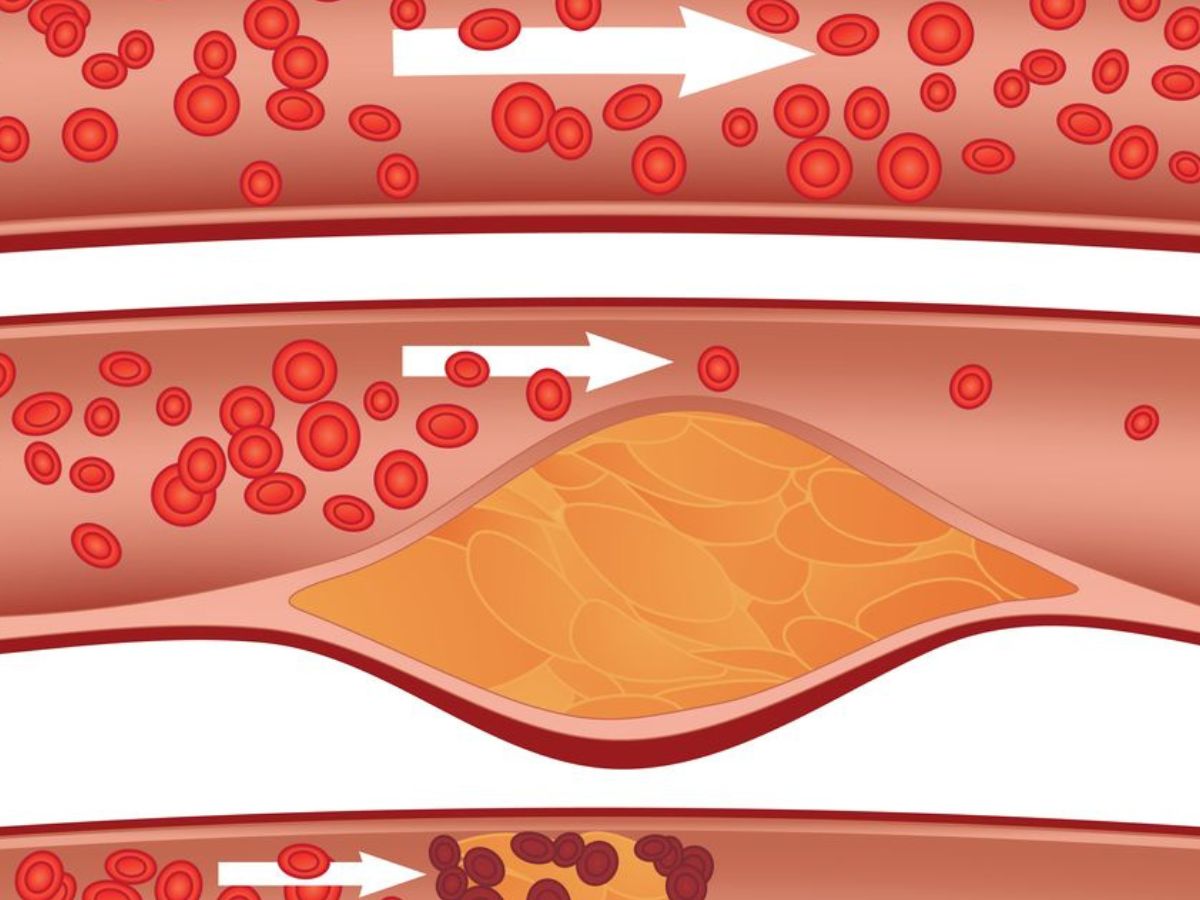
Cholesterol is a waxy, fat like substance found in your blood. Your body needs it to build healthy cells and produce hormones but too much cholesterol can lead to plaque build up in your arteries. There are two main types:
LDL (Low-Density Lipoprotein): Known as “bad” cholesterol. High levels can clog arteries and increase the risk of heart disease.
HDL (High-Density Lipoprotein): Known as “good” cholesterol. It helps remove excess cholesterol from your bloodstream.
Best Foods to Lower Cholesterol
A healthy diet plays a crucial role in controlling cholesterol levels by helping lower LDL (bad cholesterol) and improving overall heart health. Including fiber-rich foods like oats and whole grains, fresh fruits such as apples, oranges, and berries, leafy green vegetables, nuts like almonds and walnuts, fatty fish rich in omega-3, and healthy fats like olive oil can support better cholesterol balance. At the same time, limiting fried and processed foods, red meat, full-fat dairy products, sugary drinks, snacks, and packaged fast food is essential. Switching to a balanced, nutrient-dense diet can significantly reduce bad cholesterol over time and promote long-term cardiovascular health.
Exercise and Weight Management
Regular physical activity helps increase good cholesterol (HDL) and reduce bad cholesterol (LDL).
Aim for at least 30 minutes of exercise, five days a week.
Walking, jogging, cycling, swimming, and yoga are excellent choices.
Losing even a small percentage of body weight can improve cholesterol levels.
Healthy Lifestyle Habits
Simple lifestyle changes can further support cholesterol control:
Stay hydrated
Quit smoking
Limit alcohol consumption
Get 7–8 hours of quality sleep
Manage stress through meditation or breathing exercises
When to Consult a Doctor
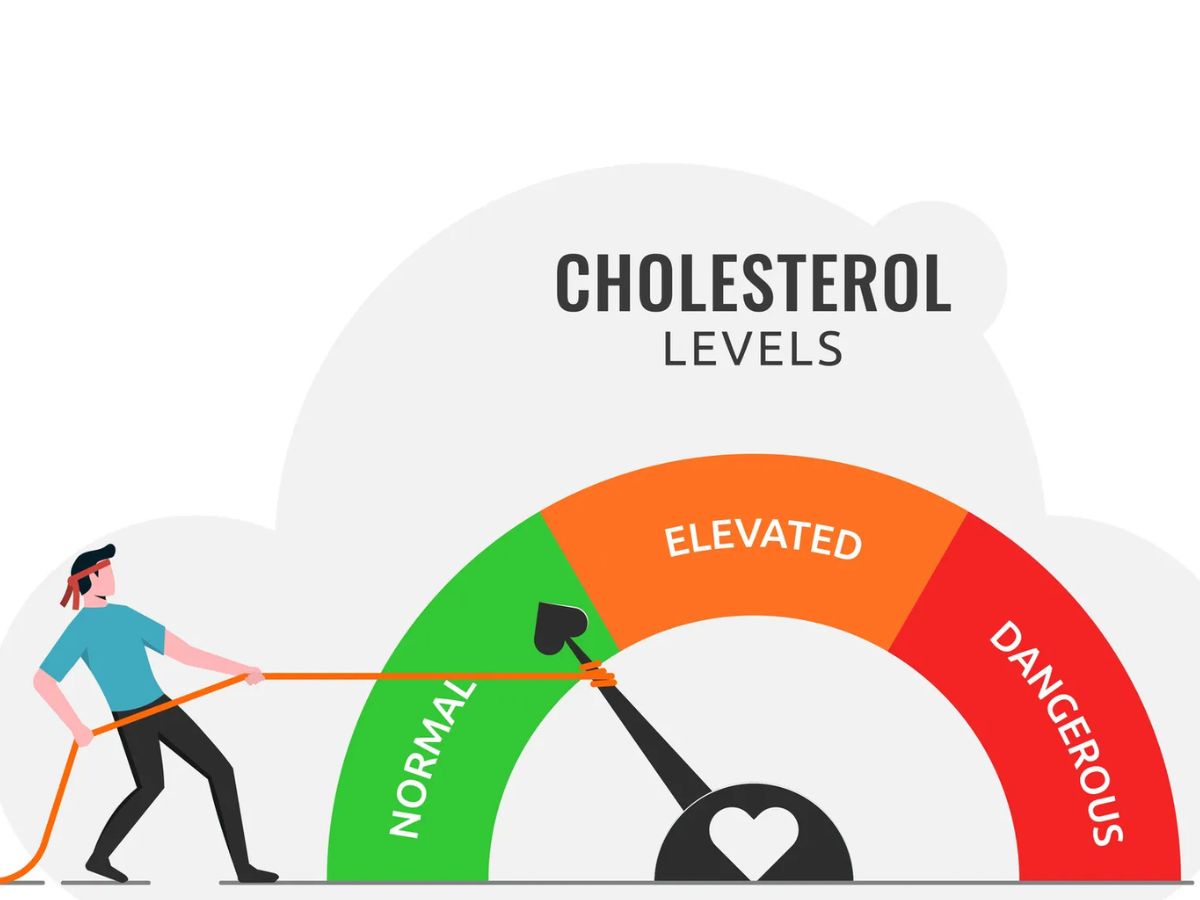
If lifestyle changes are not enough to lower your cholesterol, a doctor may recommend medication. Regular lipid profile tests are especially important if you have: A family history of heart disease, Diabetes, High blood pressure, Obesity. Early detection and proper management can prevent serious complications.

Disclaimer
This article is for informational purposes only and does not replace professional medical advice. Always consult a qualified healthcare provider before making changes to your diet, exercise routine, or medication.




