
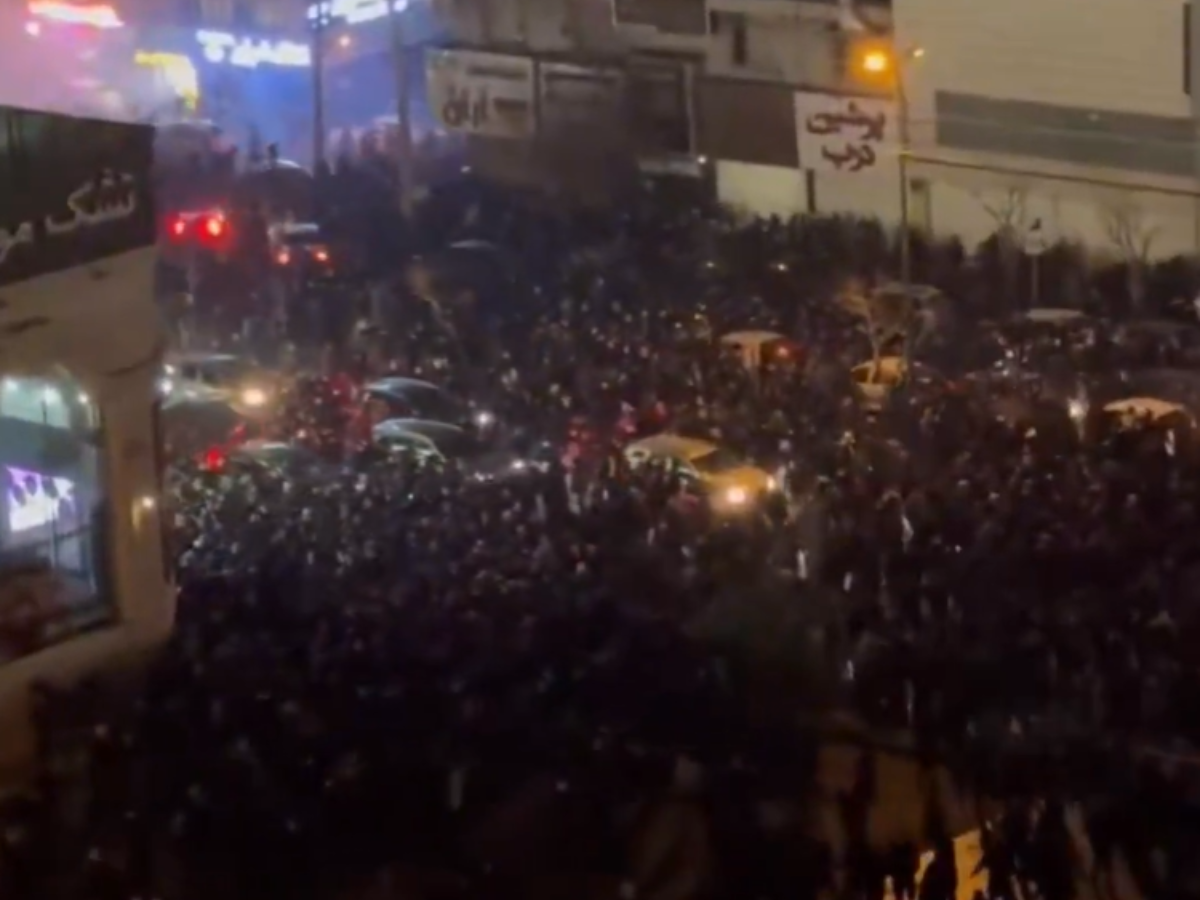

Iran is experiencing one of the most intense waves of domestic unrest in years. The authorities have acknowledged that about 2,000 people, which include both protesters and security personnel, have been killed during two weeks of nationwide protests, according to an Iranian official speaking to Reuters.
This is the first time the government has admitted to such a high toll, although it blamed what it called “terrorists” for the deaths rather than acknowledging responsibility for a security crackdown. The official did not provide a detailed breakdown of how many of the dead were protesters or security forces.
However, many reports have said that more than 12000 people have already been killed in the protests. This raises questions about the actual death toll as it is difficult to ascertain the facts between these numbers because of the communication blackout in the country.
The Iran protests started in late December
The unrest began in late December amid worsening economic conditions that included record inflation, rising food prices, and the sharp decline in the value of the Iranian rial. It sparked protests initially focused on economic grievances. These quickly spread across major cities and small towns and turned into huge unrest against Iran’s Islamic regime and Supreme Leader Ali Khamenei. The protestors called for political change, which made this arguably the largest challenge to the government since the 2022 demonstrations over the death of Mahsa Amini.
According to reports, rights groups and activist networks have previously documented hundreds of confirmed deaths and thousands of arrests. The U.S.-based Human Rights Activists and News Agency reported verified fatalities, of both protesters and security personnel. However, these figures vary widely because of the nationwide internet and communications blackout imposed by Iranian authorities since early January, which has severely restricted independent reporting and made verification of casualty figures difficult.
US warns against further violence in Iran protests
As per reports, the Iranian government has taken a dual approach, publicly asserting that protests rooted in economic hardship are legitimate, while simultaneously cracking down harshly on demonstrations and accusing the United States and Israel of fuelling the unrest. Supreme Leader Ayatollah Ali Khamenei and other officials have consistently labelled elements of the protests as influenced by foreign powers, a narrative echoed by state media.
Internationally, the situation has brought forward geopolitical tensions. The United States has warned Iran against further violence, and President Donald Trump has left military options on the table. He has also proposed significant tariffs on countries that continue relations with Tehran. In contrast, Iran’s leaders have warned of being prepared for war if foreign interference occurs. Israel has also raised its security alert amid the turmoil, and global concern is increasing over the potential for wider regional escalation.




