
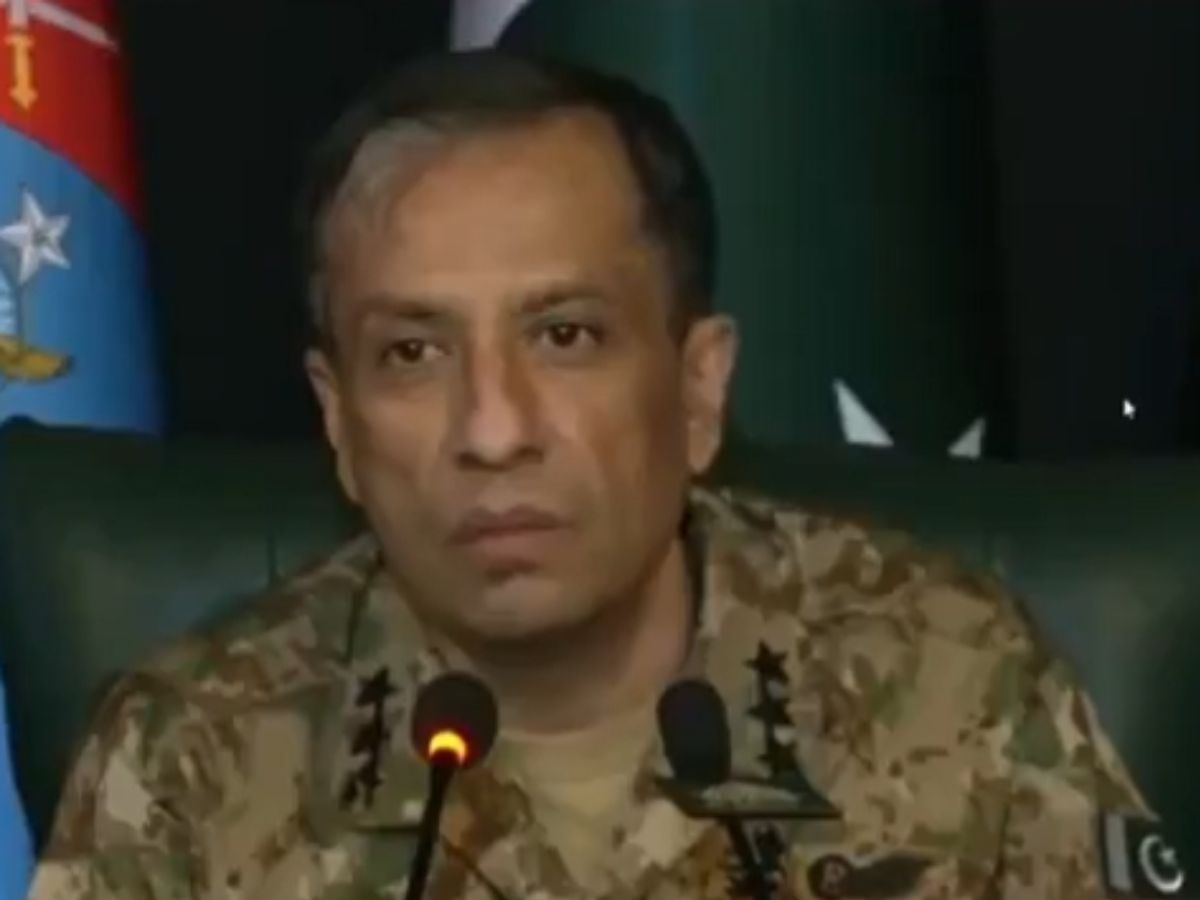
A video of a Pakistani Army officer questioning the use of English by Indian military officers in a recent briefing has gone viral on social media, with many responding online. The clip appeared in the context of the first anniversary of Operation Sindoor, and soon began to spread on social media, such as X, Instagram and YouTube. The officer in the video seems to be in a state of frustration with the Indians, including high ranking military officials and defence communication officials. His comments raised a discussion on the issue of languages during official military and diplomatic relations of the two nations.
What Did The Pakistani Army General Say?
In the viral video, the officer is heard telling them, ‘Abhi thodi der pehle aaye hue the inke DGMO, DG Air Operations aur senior officers aa gaye. Pehli baat toh yeh hai ki tumhe kisne kaha ki angrezi mein baatcheet kare ho.’ He also indicated that the exchange had been carried out in English which aimed to influence international perception and communication. These remarks soon garnered online interest and discussion, as many social media users analyzed the wording and demeanor of the comment. The clip was retweeted by several users with memes, with a few sarcastic or commentative replies, and has been trending for several hours.
Watch Video Of Pakistani Army General
“Why Indian officers doing press conference in English” – DJ ISPR has problem with English also
Paijaans & English are like water & oil 🤣🤣 pic.twitter.com/RVNwrHKnrm
— Frontalforce 🇮🇳 (@FrontalForce) May 7, 2026
Social Media Reactions
A significant number of Indian users indicated that English has been a common language of administration and operation in India for long and particularly in military, diplomatic and inter-state communication. There were those who felt that English may be a neutral language bridging the gap between officers and officials in a multilingual country such as India. Others pointed out that the language is often the norm in international military briefings and strategic communication in most parts of the world, and the criticism seemed uncalled for.
English born in England ,😂
English Died in Pakistan 🙏“Why Indians officers doing press conference in English”- DJISPR
Pijaan ki fat gyi Aaj bhi 😜 pic.twitter.com/Kj0bx2hmdt
— Sonet. (@KuldeepJBP) May 7, 2026
He is DG ISPR of #Pakistan.
He is telling why #indian army officers are talking in #English language.
Sir our #Military officials will not answer this type of both #foolish and #childish question so I will answer,
We know English language and you #pakistani don’t know.
😆… pic.twitter.com/9zMEc7cmDL— सत्यम–( nano-chanakya) (@satyacric2bat) May 7, 2026
Pakistan army ne bhi aaj press conference ki or unko dikkat ye thi ki indian army english main kyo bol rahi thi 😭😭 #OperationSindoor pic.twitter.com/jlzFRpGZa0
— VAZY (@vazy_7011) May 7, 2026
Some users said that English is the medium of communication for foreign delegations that often come in touch with Indian armed forces. The clip also sparked general debate on the internet regarding the style of communication and public addresses in India and Pakistan. Some commenters took the opportunity to touch upon the international outreach, education and engagement of India; others held the military’s language use to task for the ‘politicisation of language’. Memes and satirical posts took over social media platforms and many users criticised the officer’s comments by using ‘Kisne Kahan Ki Angrezi Mai’ as their punchline. This got repeated in posts, reels and reaction videos, and the viral nature of the clip was further reinforced.
Any Remarks From Indian Military On The Video?
Neither the Indian nor the Pakistani military has officially commented on the video or the remarks in it despite it sparking an online furor. But it was a reminder across the social media landscape of the digital era of how military statements and public statements can quickly become part of a bigger social media discussion. This discussion about the use of language was quickly expanded to a discussion about nationalism, communication and online culture. The back and forth chatter doesn’t seem to be winding down as the clip continues to keep rolling.





