
The Truth About Stress: 6 Unexpected Ways It Shows Up in Your Sleep, Skin, Mood and Daily Habits
Stress doesn’t always show up as crying or panic attacks. Many times, it hides behind small changes in our daily life. Our body starts giving early signals before things get serious. If we learn to notice these hidden signs, we can protect our mental health and take action at the right time.
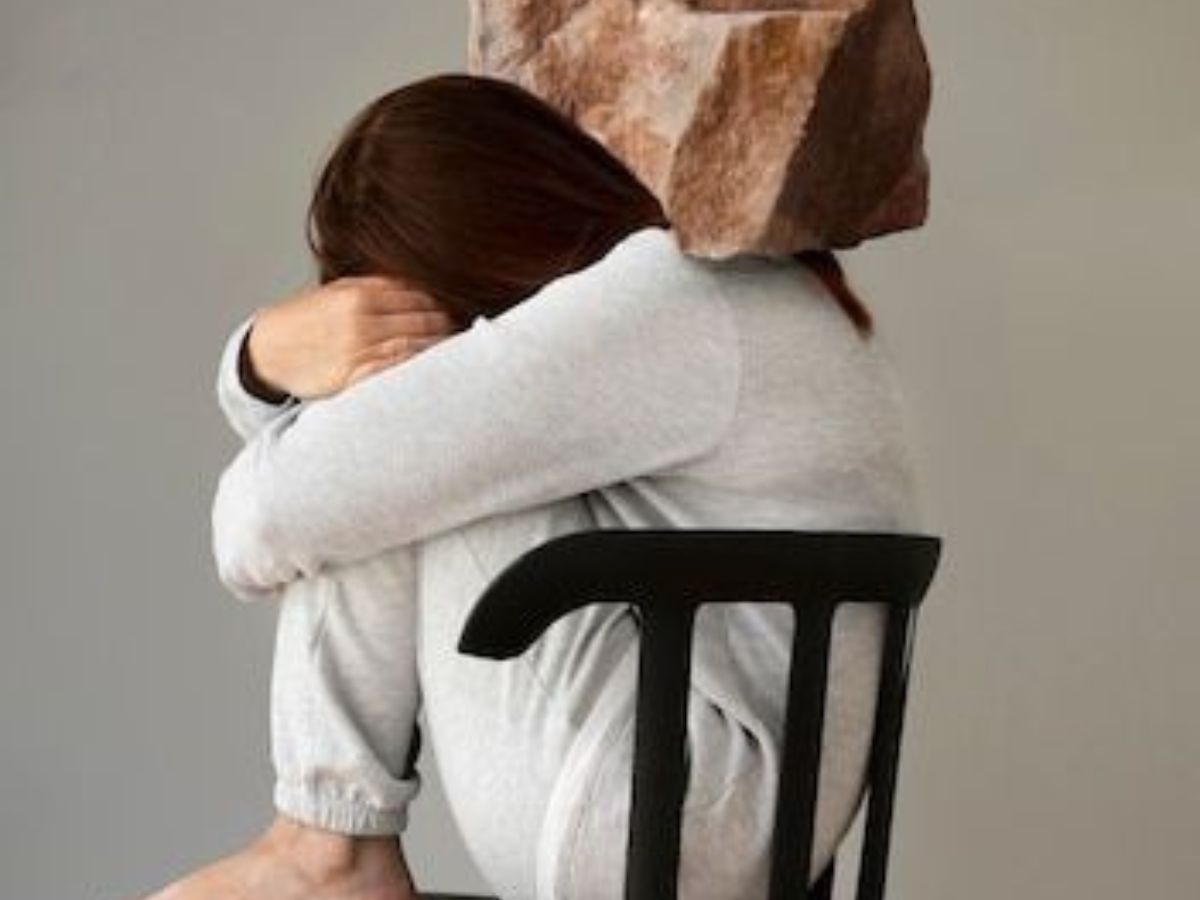
Constant Fatigue
When you’re stressed, your body stays in a high-alert mode which drains energy. You might feel tired all day even after sleeping well, and simple tasks start feeling like a burden. That slow exhaustion is often your body’s cry for rest and calm.
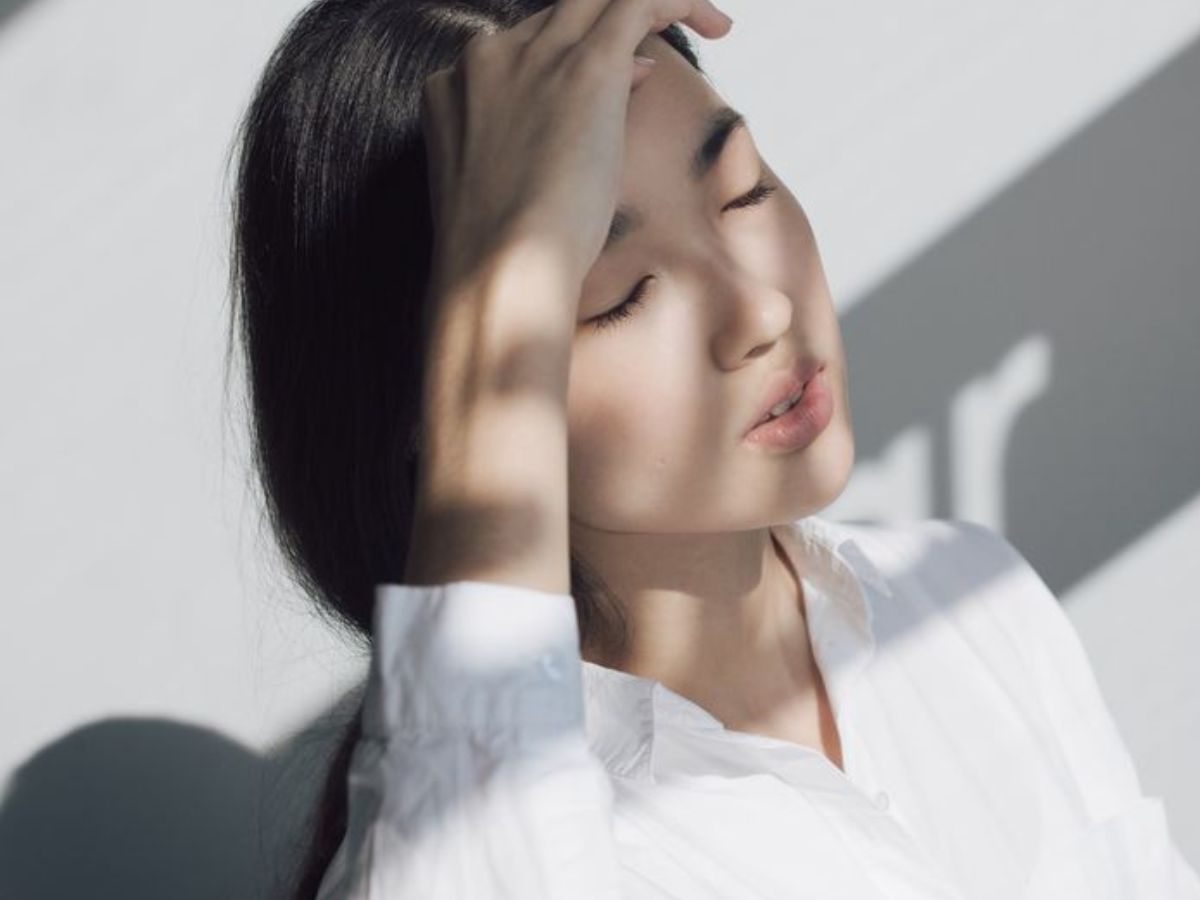
Forgetfulness & Brain Fog
Stress affects memory and focus. You may find yourself forgetting small things, losing track of conversations, or taking longer to complete tasks. Your mind feels heavy and blank — like you can’t think clearly. That cloudy, unstable concentration is a common stress response.

Changes in Eating Habits
Some people lose interest in food, while others start overeating to comfort themselves. Sudden hunger spikes for sugary or salty snacks late at night also reflect emotional stress. When stress hits the brain, eating becomes more about coping than hunger.
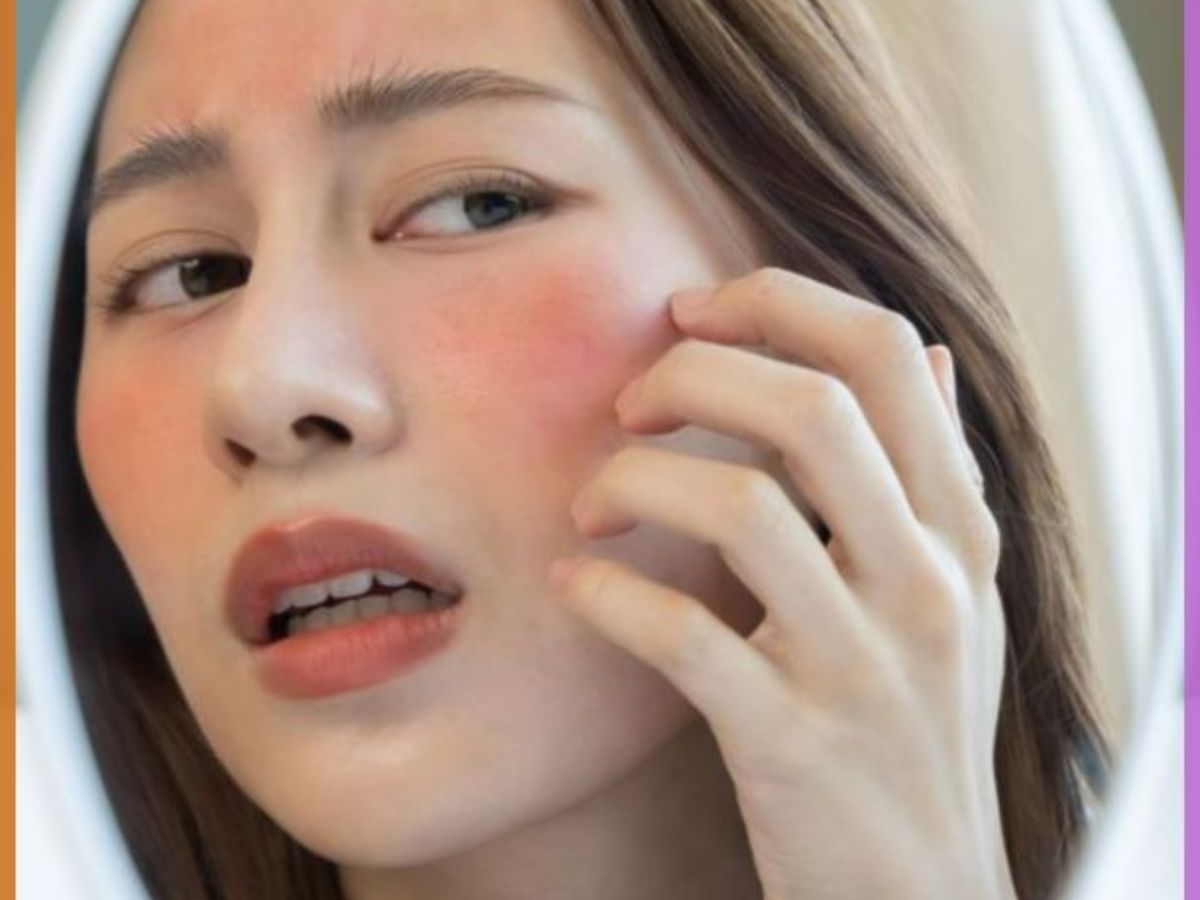
Irritated Skin & Breakouts
Stress triggers hormones that cause random breakouts, rashes, itchiness, or dull skin. Even if your routine is the same, your skin stops behaving. When emotions build up under the surface, it often shows up on the surface of your skin first.
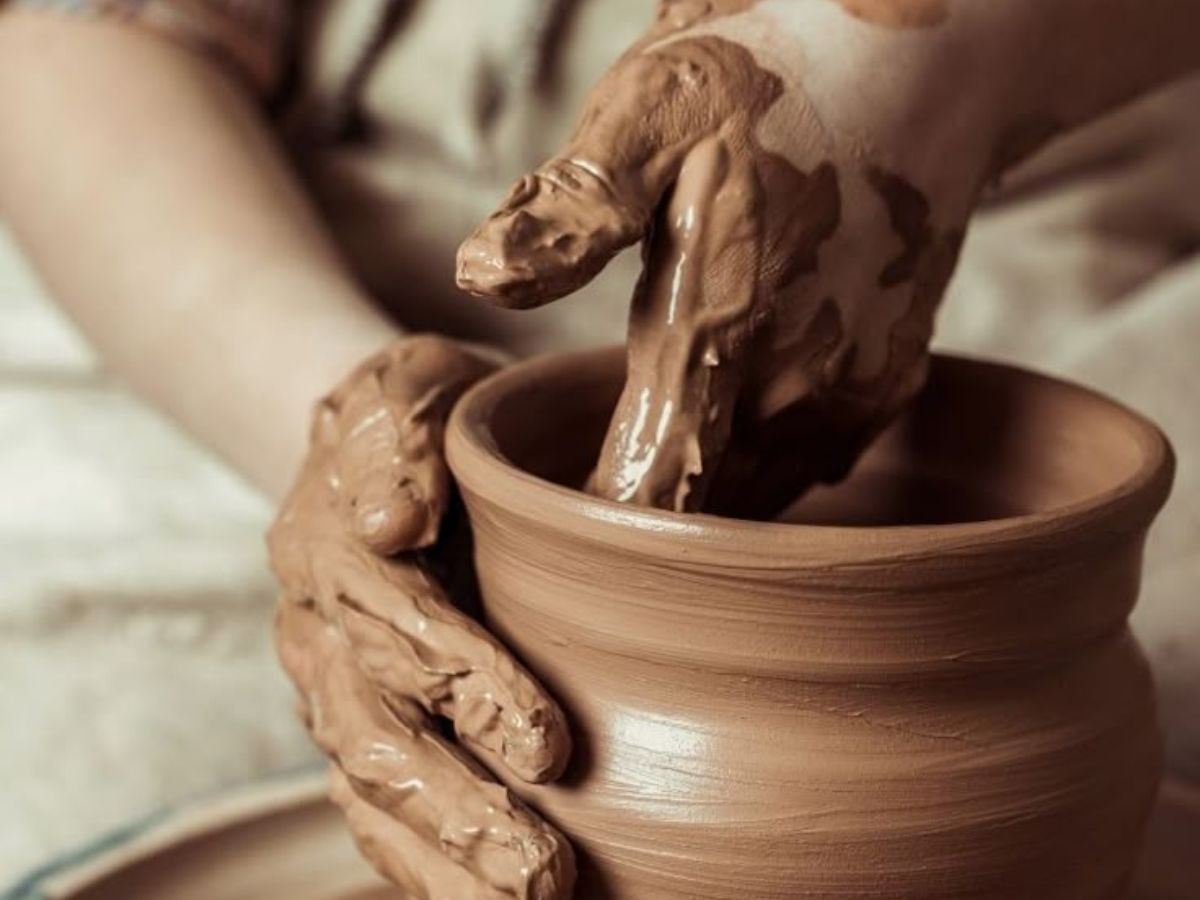
Losing Interest in Things You Usually Enjoy
Stress quietly steals motivation and joy. Activities that once made you excited may start feeling like responsibilities. It becomes harder to feel genuinely happy or interested in things you love, and life may start to feel flat or boring.
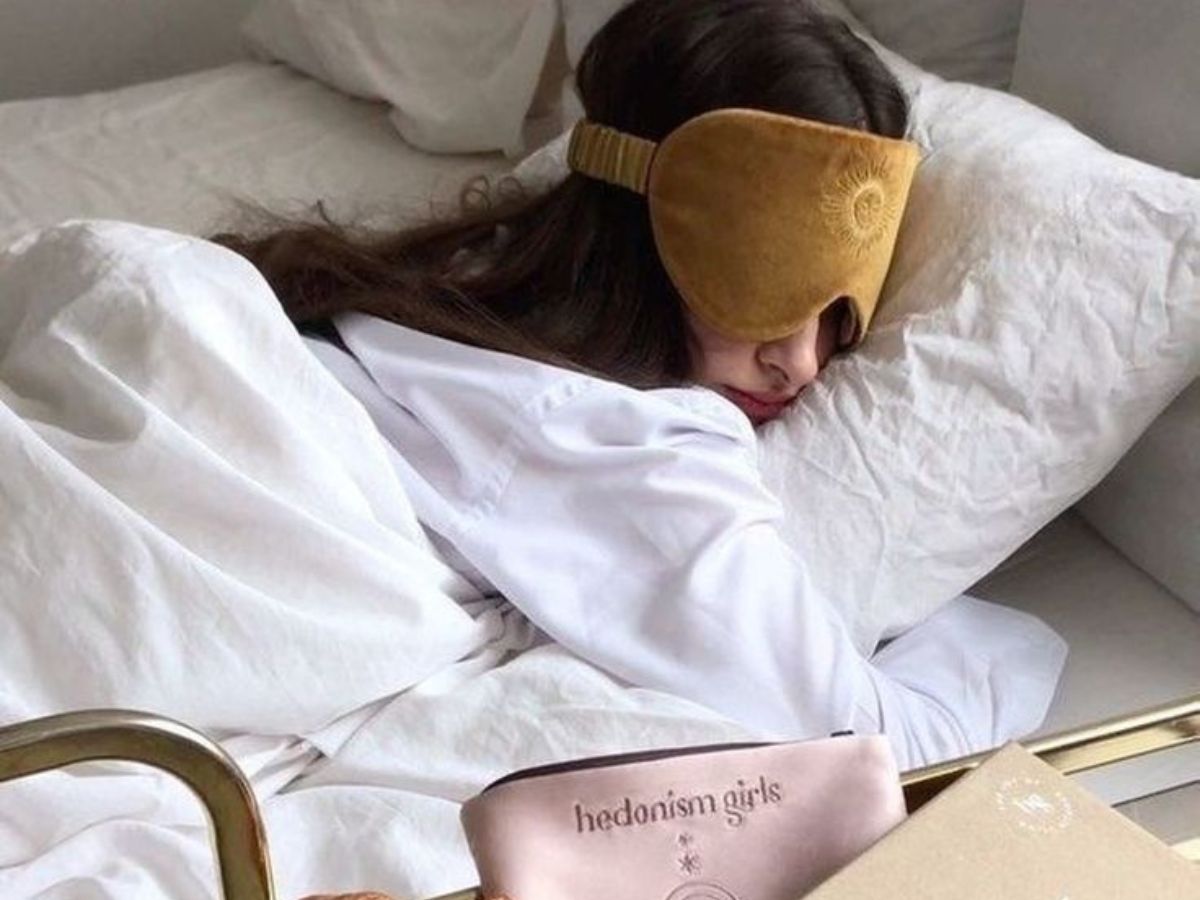
Sleep Problems
Stress can mess up your sleep patterns — staying awake thinking, waking up often, or wanting to oversleep just to escape reality. When the mind doesn’t switch off, the body cannot rest properly. Sleep becomes more of a struggle than a natural process.

Disclaimer
This article is for informational purposes only and does not replace professional medical advice, diagnosis, or treatment. If you are experiencing persistent symptoms of stress or mental health concerns, please consult a qualified healthcare professional for personalized support.




