
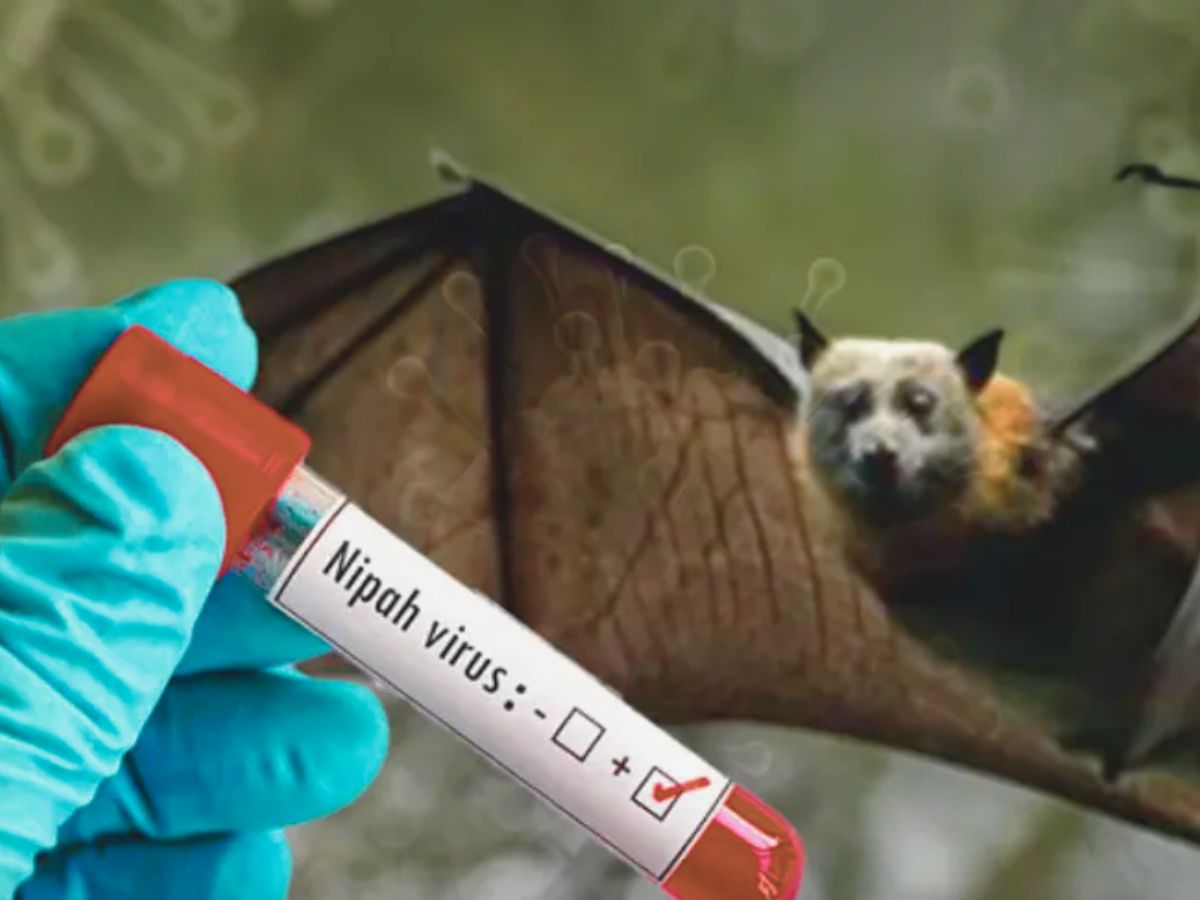

Kerala is once again caught up with Nipah virus, causing panic that another fatal outbreak is in the making. This article will tell you on what causes Nipah, how it spreads, and what you can do to protect yourself.
What should you know Nipah virus?
Nipah virus is a highly infectious zoonotic virus. It is transmitted mainly from animals to humans. It was first found in 1999 in Malaysia. Nipah is part of the same family of viruses as measles and Hendra. Its natural reservoir is the fruit bat, or flying fox. The virus can also infect pigs and other domestic mammals. In people, Nipah infection can result in serious respiratory disease and also deadly brain inflammation (encephalitis). Mortality rate range between 40% and 75%, depending on the availability of prompt treatment.
What cause Nipah? 5 quick Facts
1. It begins with fruit bats:
Fruit bats carry the Nipah virus primarily. The bats usually inhabit human settlements and release the virus in their saliva, urine, and feces particularly on fruits and trees.
2. Animals that are infected can transfer it to humans
Pigs, horses, goats, and other animals become infected upon contact with bat secretions. Humans become infected by close contact with these animals or through eating infected meat or produce.
3. Food contaminated is a frequent offender
Fruits bitten by bats or raw date palm sap contaminated with bat droppings are a major source of infection. Most of the outbreaks have been attributed to the ingestion of overnight sap gathered from palm trees usually subject to the presence of bats in Bangladesh.
ALSO READ: Kerala Monitors 485 Nipah Virus Contacts, 27 Classified As High Risk
4. Transmission is possible
It is important to note that Nipah virus can spread from one person to another, especially between relatives and caregivers. The virus presence can be seen in saliva, blood, urine, and even respiratory droplets. Thus, a close contact during care time is a major risk factor.
5. It’s a new and deadly virus
Nipah was initially identified in Sungai Nipah village in Malaysia. It caused a large outbreak amongst pig farmers. Nipah outbreaks still emerge intermittently in South and Southeast Asia, especially in India and Bangladesh.
In humans Nipah virus infection varies from mild flu-like manifestations, cough, fever, headache, and vomiting to serious neurological complications like confusion, coma and seizures. The illness progresses fast and can become fatal within days.
Safety measures: Top precautions
Since there is no vaccine or treatment specifically available for Nipah virus, prevention becomes essential. Some easy but necessary safety tips are:
Avoid the contact with sick animals, mainly pigs and bats.
Practice healthy hygiene habits and always try to use personal protective equipment when dealing with an ailing person.
Do not approach to trees where bats are found roosting, particularly in virus outbreak zones.
Do not consume fruits dropped on the floor or bearing bite marks.
Avoid using raw date palm sap unless it is boiled.
Always wash fruits before eating them.
ALSO READ: Kerala On Nipah Alert After Second Death: Massive Contact Tracing Underway
Sofia Babu Chacko is a journalist with over five years of experience reporting on Indian politics, crime, human rights, gender issues, and stories about marginalized communities. She believes journalism plays a crucial role in amplifying unheard voices and bringing attention to issues that truly matter. Sofia has contributed articles to The New Indian Express, Youth Ki Awaaz, and Maktoob Media. She is also a recipient of the 2025 Laadli Media Awards for gender sensitivity. Beyond the newsroom, she is a music enthusiast who enjoys singing. Connect with Sofia on X: https://x.com/SBCism




